
The Story
Why it exists.
The beginning
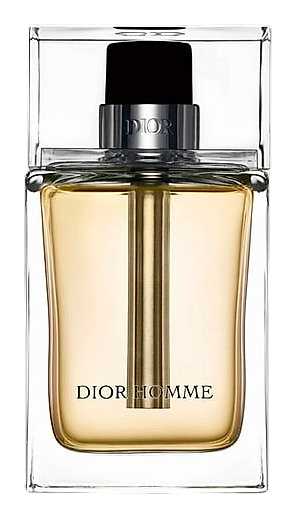
Dior Homme arrived in 2005. The men's fragrance landscape had settled into certain expectations. Olivier Polge understood that restraint takes more courage than excess. His approach centered on a masculine fragrance built around quality rather than projection. The powdery iris became his answer, a material that serves as the centerpiece of the men's fragrance. It was an unexpected choice for the house. That tension is exactly the point.
The heart of Dior Homme is the dialogue between iris and cacao. Iris root contains irone compounds that produce a natural violet-powder signature, the same quality found in high-end facial powders. Here, Polge didn't suppress it. He amplified it, pairing the iris with cocoa that adds a warm, slightly bitter chocolate note. The effect is neither sweet nor masculine in the conventional sense. It's a third thing: powdery warmth. Cardamom appears in the heart, adding a spicy accent that keeps the composition from becoming flat.
The evolution
The opening hits herbal and bright. Lavender and sage arrive together, with bergamot providing a clean citrus edge that reads almost like Earl Grey. That first hour is the most conventional part of the fragrance. Then the iris takes over. It doesn't replace the opening, it settles underneath it, transforming the composition into something powdery and precise. The cacao follows, deepening the heart without sweetness. The leather arrives as the fragrance develops, warm and slightly dry, like the inside of a well-worn jacket. The vetiver and patchouli hold the drydown, sitting close to the skin, intimate rather than announced.
Cultural impact
Dior Homme 2005 presented the powdery iris as a centerpiece in men's perfumery, a choice that distinguished it from conventional masculine fragrances. The 2011 flankers, Dior Homme Original, Dior Homme Intense, each took the iris-leather duality in different directions. The original remains significant for its approach to masculine elegance through restraint. The fragrance attracted those drawn to its distinctive character and unconventional structure. What began as a departure from expected masculine scent conventions became a reference for the house.