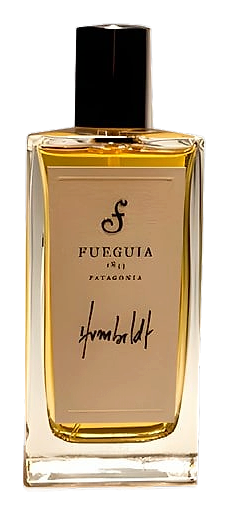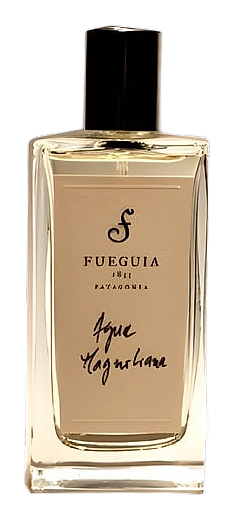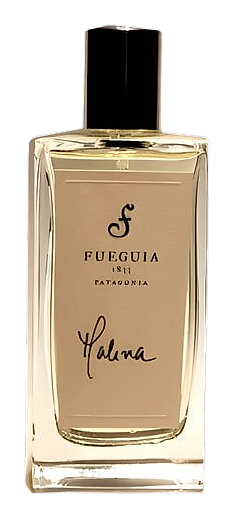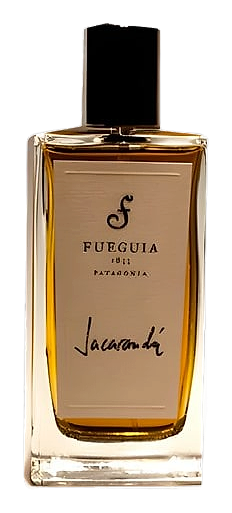

The Story
Why it exists.
The beginning
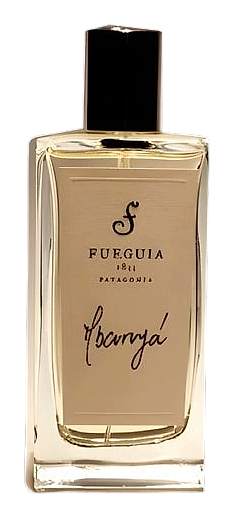
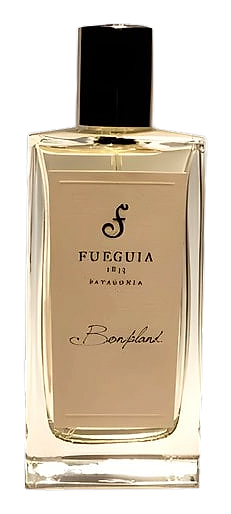
Bonpland takes its name from Aimé Bonpland, the French explorer and botanist who traveled with Alexander von Humboldt through South America, documenting plant life along the way. After his adventures with Humboldt, Bonpland spent his last days in the Argentine province of Corrientes, where he worked as a gardener and identified more than 300 plants. Julian Bedel released this composition as part of Fueguia 1833's Personajes collection, a series of fragrances named after notable figures. The scent draws directly from that quieter biographical chapter: not the grand expeditions through tropical lowlands and over mountain passes, but the slower, methodical work of a botanist surrounded by living specimens in one place, naming what he observed.
The composition is almost stubbornly narrow, just three materials listed in the formula. Litsea cubeba brings a sharp, clean citrus character that distinguishes it immediately from more familiar lemon or bergamot expressions, carrying an almost clinical clarity in its lift. Lemon verbena sits at the heart, carrying that distinctive green-leaf bitterness that separates it from sweeter lemon materials and grounds the composition in something herbal rather than confectionary.
The evolution
The opening is almost confrontational. Litsea cubeba arrives loud and clean, a sharp citrus that fills the immediate space around the wrist without softening. There's a faint green bitterness underneath that surfaces almost immediately, not building so much as arriving. Once the verbena takes over, the composition settles into its true register: herbal, slightly grassy, with that distinctive leafy quality real lemon verbena carries. It doesn't bloom the way floral compositions tend to. It just steadies. The lemon base, surprisingly, is the quietest part. It doesn't announce itself at any phase, but you'd notice if it left. The whole thing stays linear, and that consistency is the point. No transformation, no surprise pivot into warmth or sweetness. What's left is a close-to-skin ghost of verbena and something faintly woody-green, more memory than statement.
Cultural impact
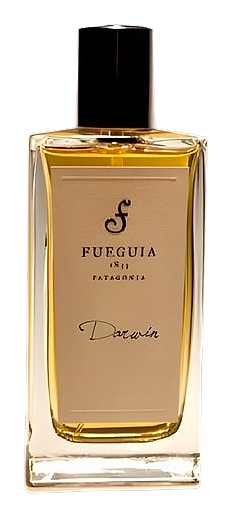
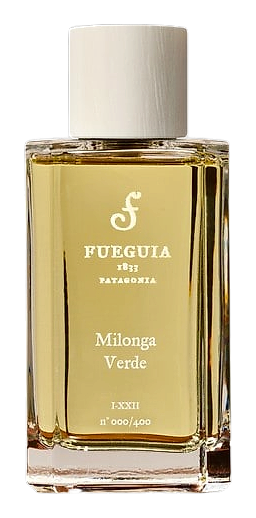
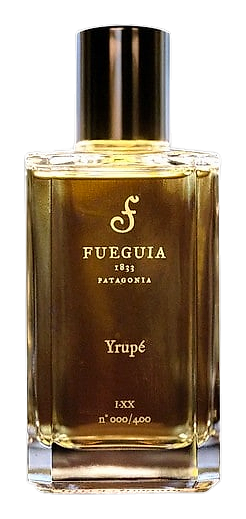
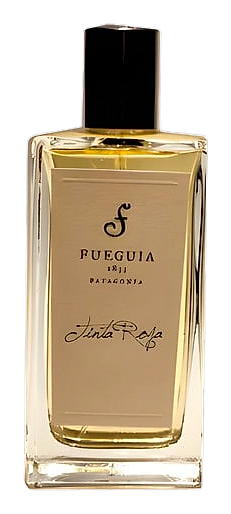
Bonpland sits within Fueguia's Personajes collection, a series that takes its names from historical figures. It appeals to wearers who want citrus without the genre's usual concessions, no sweetness, no synthetic freshness, no aquatic overlay. The fragrance finds its audience among those who treat verbena as a serious aromatic material rather than a herbal-tea afterthought. For anyone who has ever wanted their citrus to read as plant rather than product, Bonpland offers something rare: honesty of material, expressed without apology.
The House
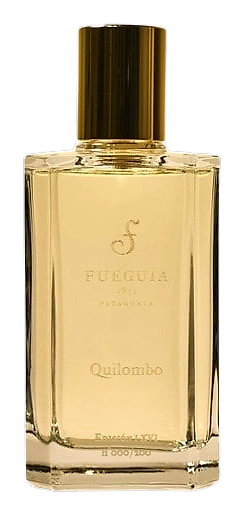
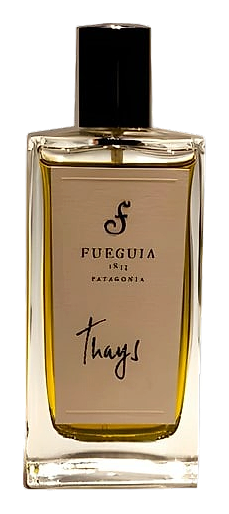
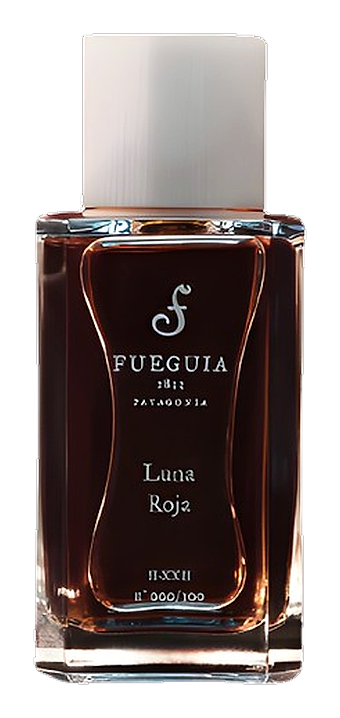
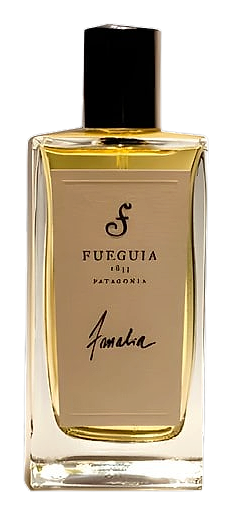
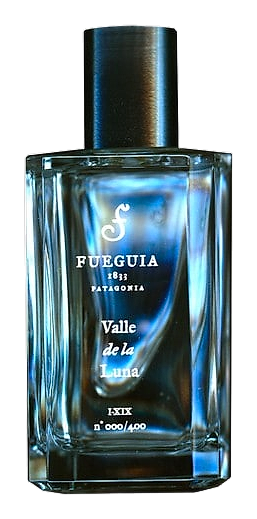
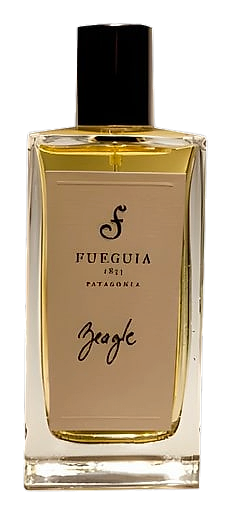
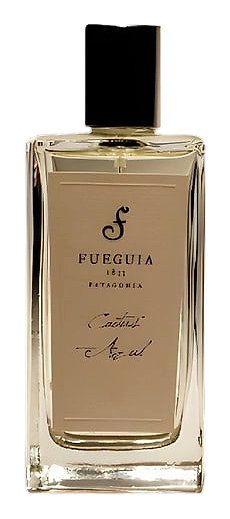
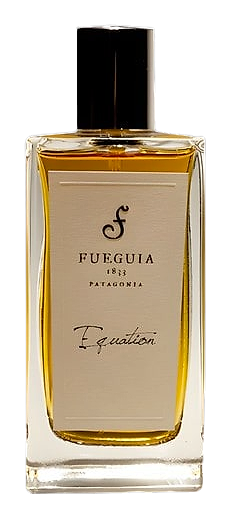
Fueguia 1833Fueguia 1833 is an Argentine fragrance house that creates limited‑edition scents rooted in the botanical heritage of Patagonia. Each perfume draws on medicinal plants harvested from the region’s wild landscapes, and the brand presents its creations as vintage‑style bottles that evoke a sense of travel and memory. The house operates a vertically integrated supply chain, growing, extracting and bottling its own raw materials, which allows it to maintain tight control over quality and environmental impact. Its collections, such as Rosa de los Vientos (2018) and Oud Jungle (2022), have attracted collectors who value authenticity and a narrative that links scent to place.
The Creator
Julian BedelJulian favors a palette that mixes rare South American botanicals with classic European absolutes. He often extracts essential oils from medicinal herbs such as catuaba, calafate and patagonian tea, then anchors them with ambergris, cedar and fine musks.