The Story
Why it exists.
The beginning
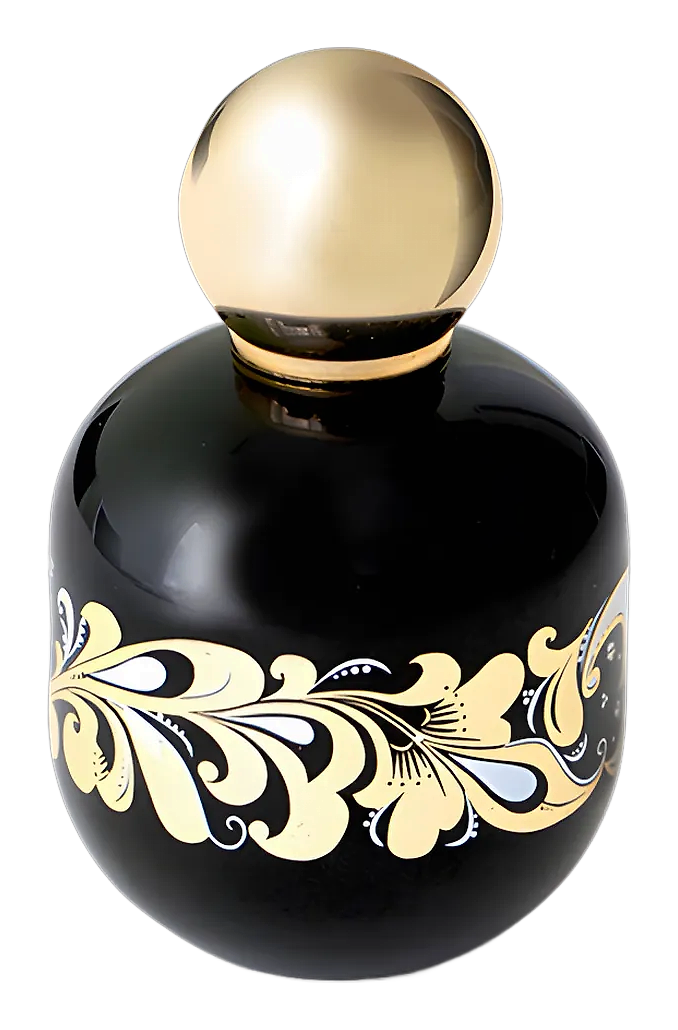
Antonio Visconti built Black Tear around a specific kind of restraint, the kind that reads as power. The name is not accidental. It points to a particular kind of tear: not the performative kind, not the sentimental kind. The kind that has weight. The fragrance opens with fruit that refuses to behave. Blackcurrant absolute is dense, almost wine-dark, and against the crispness of green apple it creates something that reads as both fresh and heavy at the same time. Bergamot and black pepper arrive to cut, not to soften. The citrus is Calabrian, sharp, almost bitter, and the pepper doesn't warm so much as it prickles. This is not a gentle beginning. The florals arrive to complicate things. Jasmine absolute and tuberose absolute are not delicate materials.
What makes this composition unusual is the way the florals work against type. Jasmine and tuberose typically signal softness, prettiness, the bridal. Here, Visconti treats them as weight-bearing materials, absolute concentration, not diluted with alcohol or softened with hedione. The result is dense and slightly animalic, the kind of tuberose that reads as white flower but smells like it's been pressed. The tobacco absolute is also structural, not decorative. In many fragrances tobacco is a finish, a drydown accent. Here it's part of the scaffolding, woven through so that the sweetness never floats free. The vetiver does similar work, earthy, slightly smoky, keeping the fruit from becoming jam.
The evolution
The opening hits immediately, bright, almost sharp. The green apple and bergamot arrive together, crisp and immediate, and the black pepper follows within seconds, prickling at the edges of the citrus. The blackcurrant is there from the start, lending a dark, wine-like depth that keeps the top notes from smelling clean in any conventional sense. Within twenty minutes the florals take over, but they don't replace the opening, they fold into it. Jasmine absolute rises, creamy and indolic, while the apricot and honey introduce a sweetness that feels cooked, almost caramelized. The tuberose arrives last in this transition, heavy and waxy, and suddenly the composition has density. It reads as warm even on cold skin. By the second hour the tobacco is no longer hiding. It emerges from the base with a dry, slightly ashy quality that pushes back against all that floral sweetness, creating the fragrance's central tension: fruit and smoke, warmth and dryness, seduction and refusal. The drydown settles into something skin-close and intimate.
Cultural impact
Black Tear occupies an unusual position in the niche fragrance landscape, dark enough for tobacco and smoky-fruit enthusiasts, sweet enough for those drawn to gourmand florals, but structured enough to sit apart from both categories. The concentration of absolute materials means it wears differently than mainstream fruity florals, stacking contrasts at high intensity. What sets it apart is the specific blackcurrant-tuberose-tobacco triangle: each note is present at full concentration, and none backs down. This is not a safe blind buy, it rewards research and skin testing. But for wearers who find it, it tends to become singular.