
The Story
Why it exists.
The beginning
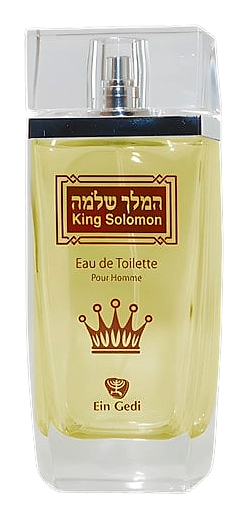
King Solomon draws its name from the biblical ruler whose reign became synonymous with wisdom, wealth, and the aromatic commerce of the ancient Near East. The fragrance leans into that legacy with conviction. Ein Gedi, the brand behind this composition, builds its catalog around biblical botanicals, and King Solomon aims for something dignified and storied. The name conjures resinous temples and storerooms heavy with precious cargo. Inside the bottle, there's a similar sense of abundance: layered aromatics that feel curated rather than accidental. This is the scent of a man who understood the value of rare materials and treated them accordingly. There's gold in this composition, or at least the olfactory idea of it, warmth and depth that register as opulence without resorting to sweetness.
What's interesting here is the balance between the bright herbal opening and the heavy resinous base. Seven top notes crowd the first minutes: bergamot, artemisia, lemon, basil, coriander, rosemary, and leather. That herb garden, with its cooling, almost medicinal quality, prepares the nose for a composition that isn't afraid of darkness. The basil brings a peppery snap, the rosemary a clean astringency, and the artemisia a bitter green edge that feels more apothecary than kitchen.
The evolution
The opening is sharp and green, almost like cutting through rosemary bushes on a cold morning. Bergamot and lemon set the temperature, while basil and artemisia bring the bitter, herbal coolness that makes the first impression feel awake rather than fresh. Leather sits underneath, giving the opening phase a slightly worn-in edge, like a jacket that's already been broken in or a chair that's held a thousand readings. Coriander adds a warm spice to the top notes that bridges the gap between the citrus and the herbs. From there, the lavender and geranium take center stage, softened by neroli and warmed by clove. This is the most conventional phase, the fougère heart doing what fougère hearts do, with its lavender-rose geometry polished and pleasant. The drydown is where the composition earns its name.
Cultural impact
King Solomon sits in a small category of fragrances that draw on biblical raw materials rather than mainstream perfumery conventions. It shares shelf space with the brand's other character-named releases, King David and Queen of Sheba, forming a loose trinity of scriptural references that give the line its thematic coherence. Within Ein Gedi's catalog, the incense-tobacco weight of the brand's anointing oil tradition runs through this composition's base, even as the herbal top notes pull the opening toward something more garden-like.