
The Story
Why it exists.
The beginning
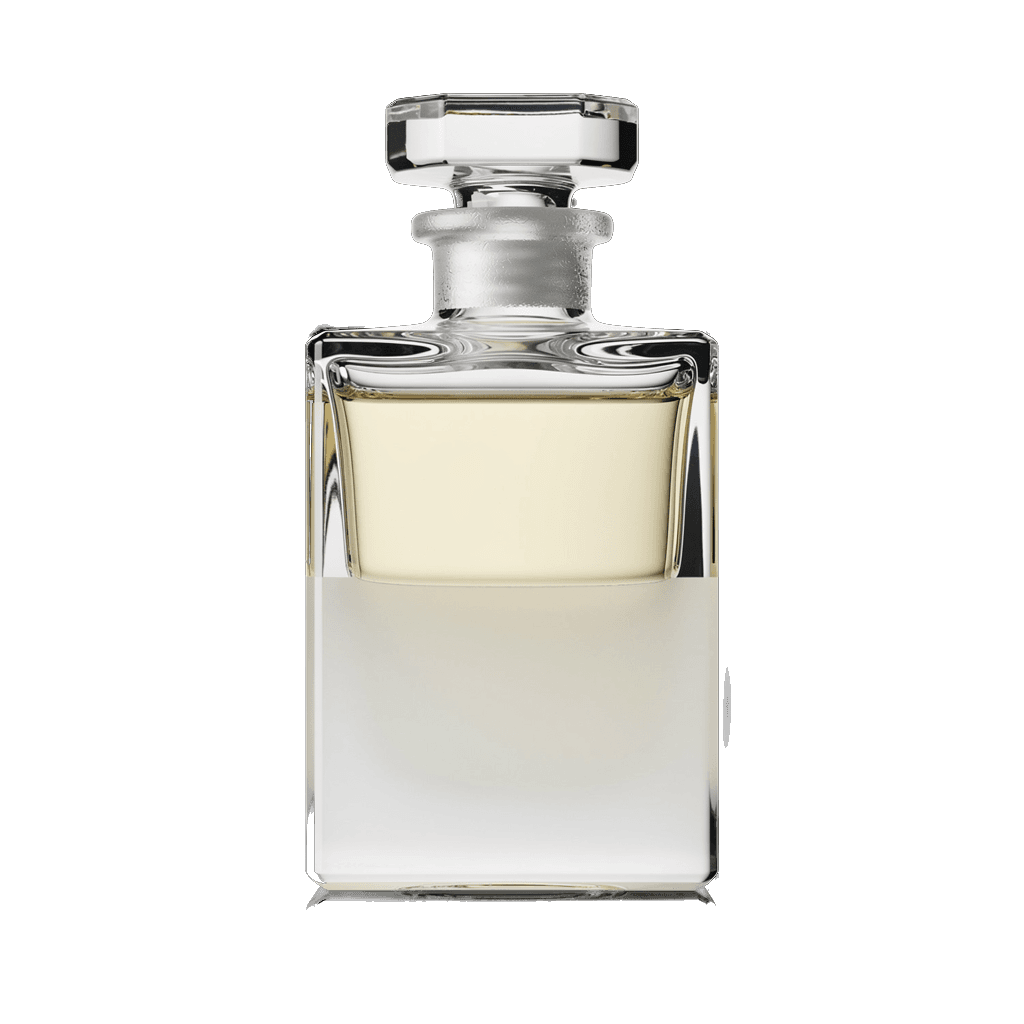
Spikenard Anointing Oil by Ein Gedi launched in 2015 as part of the Scents of the Bible line, a collection that treats perfumery as devotional practice rather than self-decoration. The line draws its name and concept from scriptural references to aromatic oils used in sacred contexts, positioning each fragrance as a translation of ancient textual references into something wearable today. Ein Gedi's version takes the spikenard reference and builds a composition around Himalayan spikenard, also called jatamansi, layered with floral heart notes that soften the rooty intensity of the primary material. The opening carries that unmistakable nard character, deep and slightly sweet, with a texture that feels less like a conventional perfume and more like something pressed and aged.
What makes this composition unusual is its structure, or its refusal of one. The official pyramid lists only spikenard and spices at the top, floral notes at the heart, and oily notes at the base. There's no traditional drydown of woods, amber, or animalic musk anchoring the formula. The oil carrier is the base, which gives the fragrance its slow, gradual evaporation across the hours. Spikenard itself is a rhizome oil, earthy and rooty, closer to vetiver and patchouli than to any flower, with a sweetness that reads like dried hay.
The evolution
On skin, the first 30 minutes are spikenard at full voice, rooty, sweet, slightly animalic, with a warmth that reads more like sun-warmed hay than any sharp spice. The spices listed in the top notes are present but quiet, contributing texture rather than heat. As the first hour passes, the floral heart emerges softly, not as a bouquet but as a suggestion, wildflower sweetness threading through the resinous depth without ever lifting it into brightness. By the second and third hours, the composition has settled into its oily base, and what remains is closer to skin than scent. The spikenard doesn't disappear so much as merge with the oil carrier, producing a warm, slightly sweet, faintly rooty impression that clings to clothing and hair well into the next day. On fabric the next morning, it smells like a folded linen cloth that has known a chest of drawers for decades.
Cultural impact
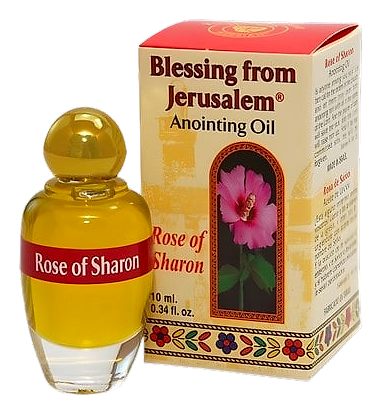
Spikenard Anointing Oil sits in a category of its own, less a fragrance than a devotional object that happens to be wearable. The wearer isn't chasing compliments so much as carrying something with the gravity of biblical inheritance. The spikenard reference carries weight that most modern fragrances cannot access, rooted in scriptural narrative and historical trade rather than contemporary perfumery trends. As an anointing oil, it functions on two registers simultaneously, serving ritual or meditative use while remaining presentable as a personal scent for daily wear.