The Story
Why it exists.
The beginning
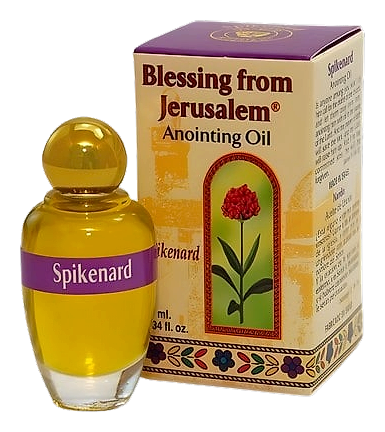
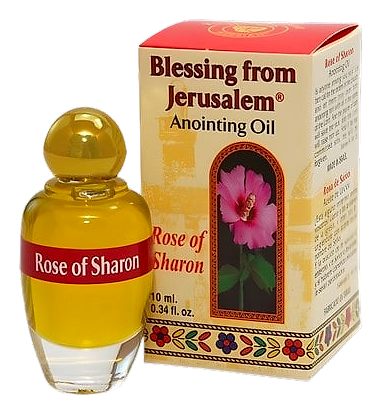
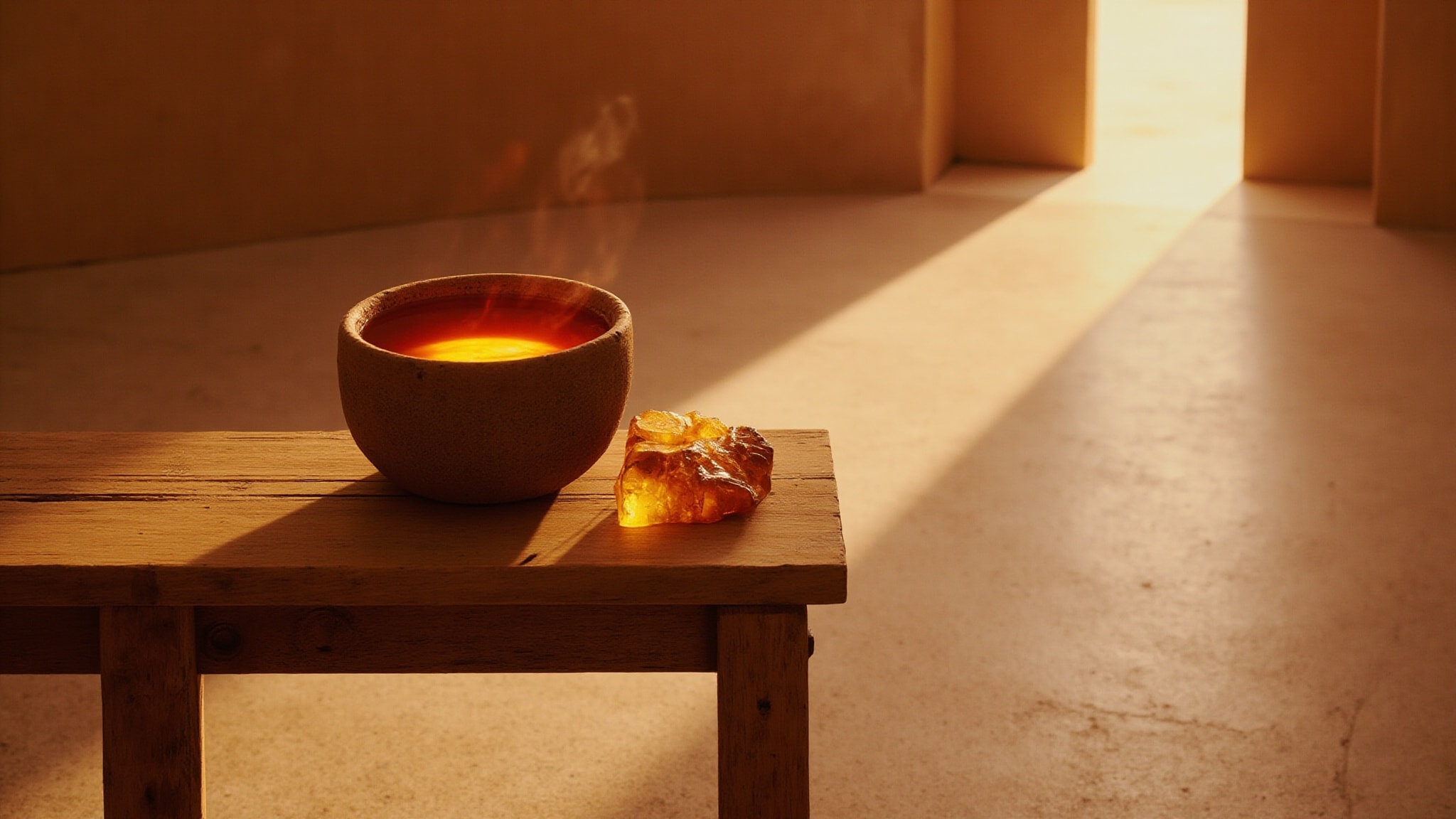
The brand's Rose of Sharon Anointing Oil, released in 2015, isn't built around any specific flower, and that choice defines everything about it. It's a devotional blend, and the formula is almost monastic in its restraint: vitamin-rich olive oil as the base, with labdanum essential oil as the single aromatic voice. The restraint is the point. Most anointing oils stack resins, layer florals, build toward a moment of olfactory impact. This one doesn't. It leans entirely on the dialogue between two materials, and trusts them to carry the weight. Labdanum brings a sticky, resinous warmth, the kind of ambered depth that reads as both ancient and intimate. Olive oil carries it with a faint greenness and a skin-like softness that alcohol never quite replicates.
What's interesting is what the formula leaves out. No rose absolute, no floral accord, nothing the name might lead you to expect. Instead, the anointing oil leans on labdanum's sticky, resinous warmth and olive oil's skin-like base to do the work. Labdanum has a particular kind of adherence that few other aromatic materials can match. It clings to skin with unusual tenacity, and the scent cloud that forms around the wearer is dense rather than diffuse, close rather than projected. Pairing it with olive oil rather than alcohol gives the wear a different rhythm entirely.
The evolution
The first ten minutes are almost nothing. Olive oil doesn't announce itself the way a citrus or aldehyde opening does. It just lies against skin, a faint green warmth, and the labdanum begins to bloom underneath, sticky-sweet with something faintly ambered underneath, less smoke than dried fruit left too long in the sun. By the first hour the labdanum has settled into its real shape, and the composition stops being quiet. It moves into a low, golden hum, resinous and warm, with a sweetness that edges toward honey but holds back. There's no floral heart to arrive, no development arc in the conventional sense. Instead, the oil simply deepens. By hour four it has thinned into something close to skin itself, the labdanum's balsamic undertone rising as the volatile topnotes fade.
Cultural impact
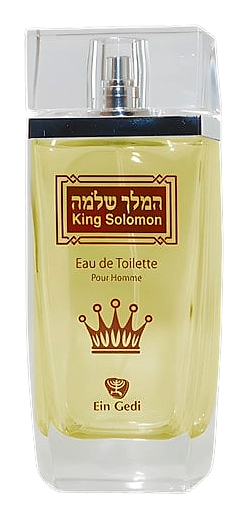
Ein Gedi's catalog is built around biblical names and devotional formats, and Rose of Sharon falls squarely into that frame as an anointing oil rather than a conventional fine fragrance. The format dictates the experience: close wear, slow development, low projection, and a scent profile that asks for attention rather than demanding it. Reviews from the small community that has tried it tend to focus on how the fragrance moves on skin rather than how it performs in the air.