The Story
Why it exists.
The beginning
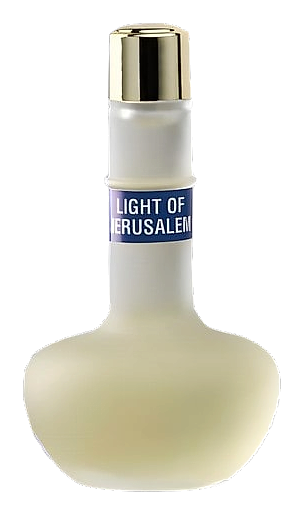
Light of Jerusalem belongs to Ein Gedi's Scents of the Bible collection, a range built around botanical materials mentioned across Hebrew scripture. The collection gathers plants whose names surface in scriptural writing and folds them into wearable compositions, each one anchored in a different corner of the botanical world that the texts reference. Light of Jerusalem is the floral offering in a catalog otherwise weighted toward frankincense, myrrh, and spikenard anointing oils. Where other entries lean heavily into resin and smoke, this one opens with lilac, violet, lily of the valley, and acacia, materials that carry their own quiet history in the scriptural record. The composition reads as an attempt to bottle a garden rather than a sanctuary.
What's unusual here is the sheer density of florals stacked against a resin-heavy base. Eight floral or green-leaning materials sit across the top and heart, while the base carries vanilla, immortelle, tobacco, and sandalwood underneath. The pistachio in the drydown is a quiet detail that rewards attention. It adds a nutty, almost gourmand warmth that softens the incense and keeps the composition from tipping into pure temple smoke. That tension between devotional weight and floral brightness is what gives the fragrance its specific character.
The evolution
The opening belongs to lily of the valley and palisander rosewood, bright and almost green, like stepping past a hedgerow in late spring. Then the incense and myrrh arrive, and the composition turns inward. Cinnamon and violet add a spiced-powder softness that deepens as the florals settle into something denser. Eventually the tobacco, vanilla, and immortelle take over, settling into a warm, creamy base. Pistachio threads through underneath, nutty and slightly sweet, keeping the resins from going austere. The drydown hovers close to skin, powdery and ambered, with the vanilla and sandalwood lingering as a faint warmth. Moderate sillage, sits close rather than projects wide. You catch it when you move, and so does anyone nearby, but it doesn't fill a room. The progression from green-floral opening through spiced-powder heart to creamy, slightly sweet base feels deliberate.
Cultural impact
Light of Jerusalem sits in an unusual position: a commercially available fragrance that approaches Middle Eastern perfumery through a floral lens rather than a resin-heavy one. The composition uses lilac, violet, acacia, and lily of the valley as its structural backbone, materials that appear in scriptural botanical references but are more commonly associated with European and Levantine garden traditions than with the heavier oud-and-incense profile that dominates regional perfumery. Wearers tend to describe it as devotional without being heavy, a fragrance that carries sacred references in a wearable register.