







Heritage
A house, in its own words
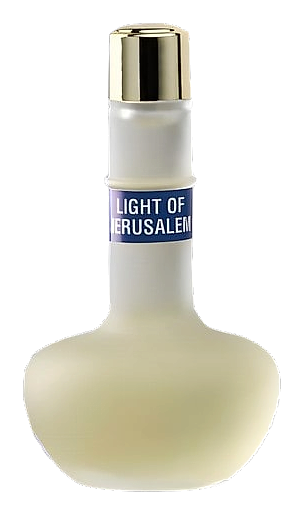
The name Ein Gedi carries considerable historical weight. The oasis on the western shore of the Dead Sea has been inhabited for roughly 5,500 years, dating back to the Chalcolithic period, and a prehistoric temple once stood at the site. In antiquity, Ein Gedi served as the primary production center for Balsam of Jericho (also called Balsam of Judaea), a resinous perfume so valued that ancient writers ranked it among the most costly commodities in the Roman world. Biblical texts reference the oasis repeatedly: the Song of Songs alludes to its vineyards with the phrase 'a cluster of henna in the vineyards of Ein Gedi,' and the location features in stories of David hiding from Saul in the desert. After the Roman period, the balsam trade declined and the oasis dwindled. Kibbutz Ein Gedi, founded in 1953, revived the agricultural tradition by cultivating dates, mangoes, and herbs in the same desert microclimate. Ein Gedi Cosmetics draws on this layered geography. Its product names, King David, Rose of Sharon, Lion of Judah, Queen of Sheba, Light of Jerusalem, echo the scriptural associations of the site while grounding them in a contemporary cosmetics operation. Specific company founding details, including an exact year and individual founder, are not clearly documented in available public sources, so the brand's deeper corporate history remains partially obscured behind its geographic and biblical framing. Ein Gedi's creative vision treats scent as a link to the textual and material cultures of the ancient Near East. Rather than chasing trends in modern niche perfumery, the brand draws on raw materials that have associations with biblical ritual: frankincense, myrrh, spikenard, henna, and rose of Sharon. Each fragrance name is chosen to reinforce that connection, turning bottles into small references to scripture, kings, and sacred landscapes. The philosophy also extends beyond fragrance into skincare and soaps, suggesting a holistic view of the body as something historically anointed, washed, and treated with botanical care. According to third-party coverage, the company's scents use essences historically utilized in ancient times, paired with Biblical naming conventions. This positions the brand less as a fashion-driven perfumery and more as a custodian of a regional aromatic tradition, appealing to buyers who value narrative and geography as much as olfactive profile.