The Heritage
The Story of Sabon
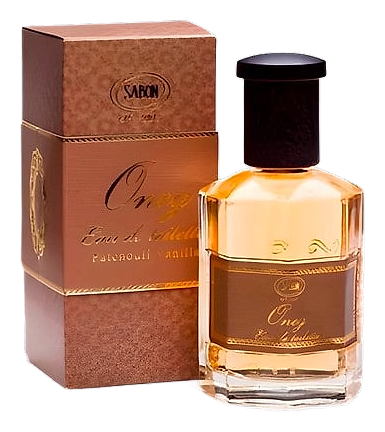
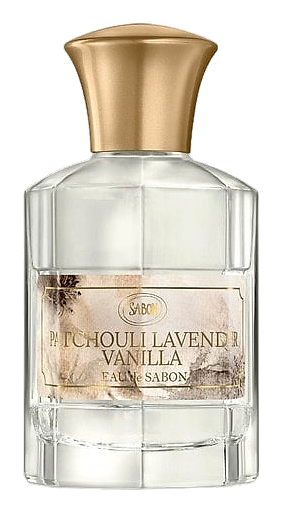
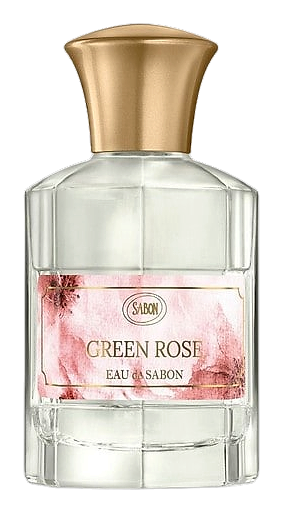
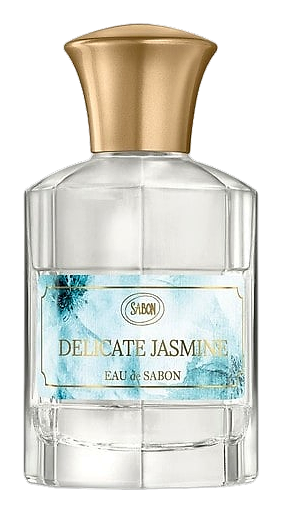
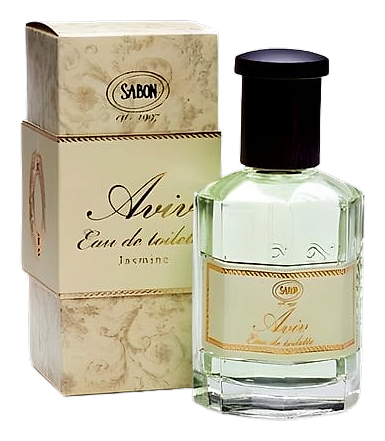
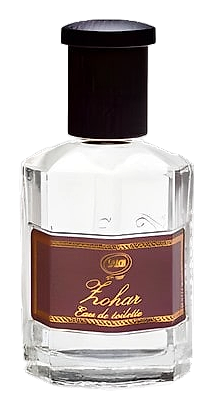
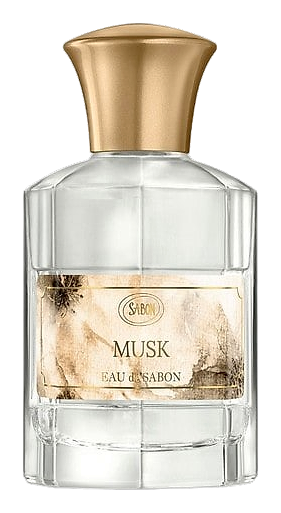
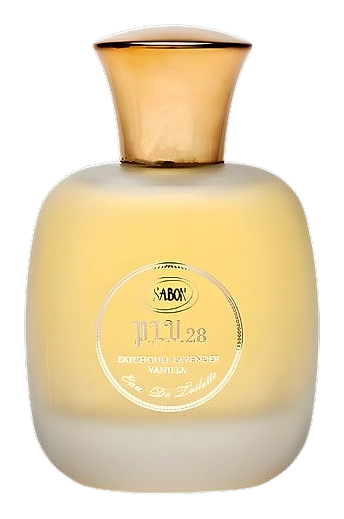
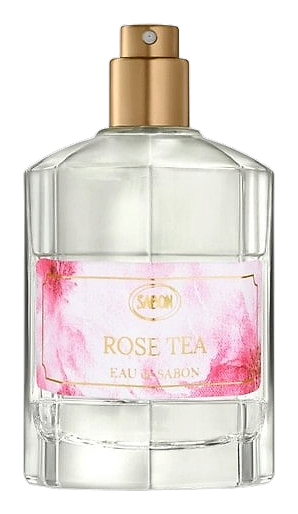
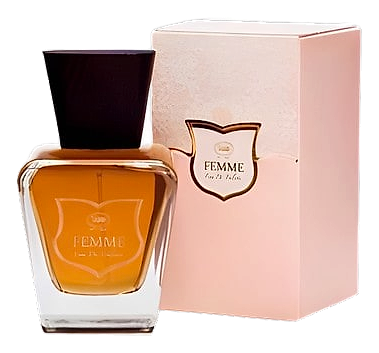
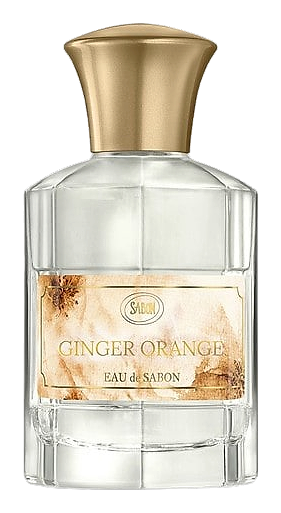
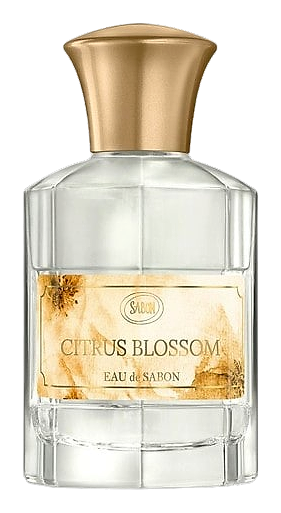
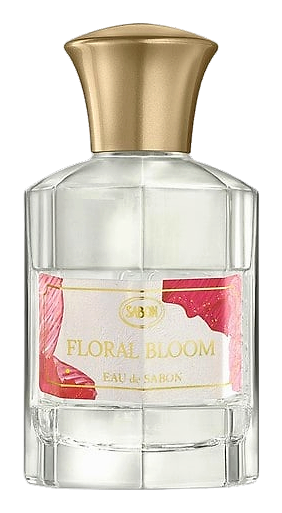
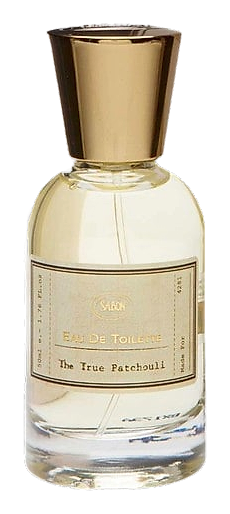
Sabon began as a maker of natural solid soaps and has grown into a fragrance house that offers scented candles, room sprays and a modest line of perfumes. The brand’s scent portfolio includes Fleur‑inspired notes such as Femme, Floral Bloom (2019) and Green Rose (2019), as well as richer compositions like Oneg (Patchouli Vanilla) and Zohar (Musk). Sabon positions its products as tools for everyday rituals, aiming to turn a simple shower or a quiet evening at home into a moment of quiet refinement. The collection balances fresh citrus, soft florals and warm woods, reflecting the brand’s roots in natural ingredients and its later exploration of modern perfumery.
Heritage
Sabon was founded in 1997, launching with a range of natural solid handmade soaps that emphasized botanical extracts and essential oils. The early catalog focused on simple, skin‑friendly formulas that appealed to consumers seeking an alternative to mass‑produced detergents. By the early 2000s the company broadened its scope, adding liquid soaps, body lotions and a line of home fragrances that included candles and room sprays. In 2016 the brand released its first perfume, marking a shift from purely functional products to a more expressive olfactory offering. Over the next four years Sabon expanded its fragrance portfolio, adding twenty‑five distinct scents according to a fragrance database that tracks releases up to 2020. The expansion coincided with the opening of flagship stores in several major cities, allowing the brand to showcase its scent experience in a dedicated retail environment. Throughout its evolution Sabon has maintained a focus on natural origins, keeping the original soap‑making ethos at the heart of its identity while experimenting with contemporary fragrance structures. The brand’s growth reflects a broader consumer trend toward artisanal, scent‑driven home and personal care products, and it continues to develop new scents that bridge the gap between everyday utility and sensory pleasure.
Craftsmanship
Sabon’s production process begins with a cold‑process method for its solid soaps, a technique that preserves the integrity of botanical oils and minimizes the need for artificial preservatives. The company sources many of its raw materials from Mediterranean growers, selecting olive oil, lavender and citrus peels that are harvested at peak ripeness. For its liquid products and home fragrances, Sabon blends essential oils with a base of natural alcohol or carrier oils, allowing the fragrance to develop gradually on the skin or in the air. The perfume line follows a small‑batch approach; each fragrance is formulated in limited quantities, enabling tighter control over ingredient ratios and quality. According to a fragrance database, the brand’s perfume catalogue grew to twenty‑five scents between 2016 and 2020, suggesting a disciplined release schedule that prioritizes refinement over volume. Quality checks include stability testing for both skin‑contact items and ambient products, ensuring that scent notes remain consistent throughout the product’s life cycle. Packaging is designed for easy reuse, with refillable glass bottles for room sprays and recyclable tins for solid soaps, reinforcing the brand’s commitment to responsible consumption.
Design Language
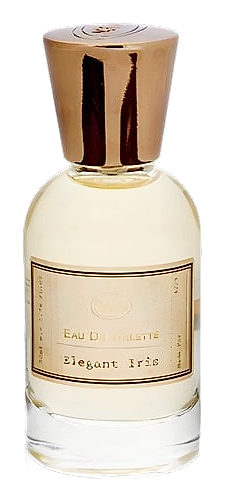
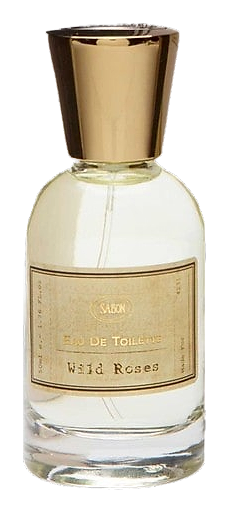
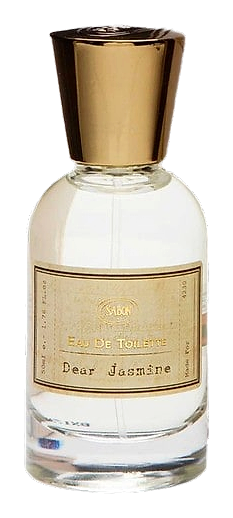
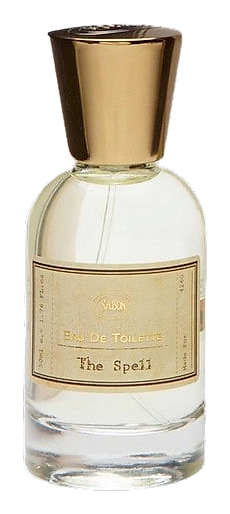
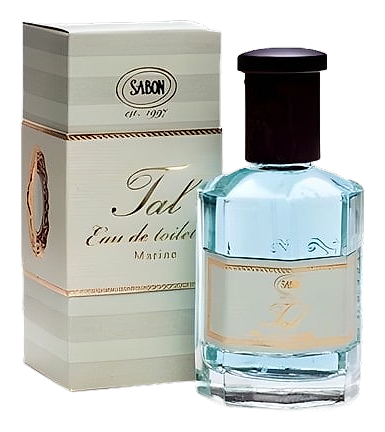
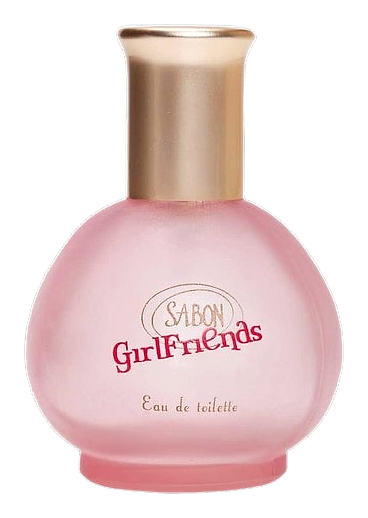
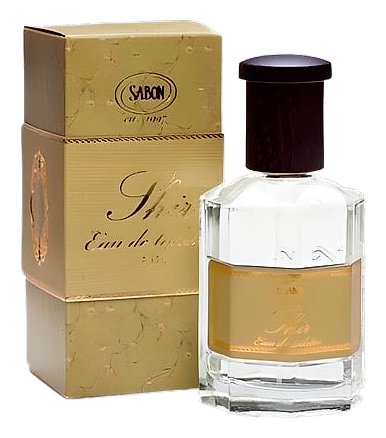
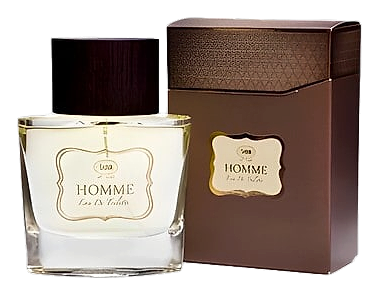
Visually, Sabon adopts a clean, minimal aesthetic that mirrors its natural ingredient focus. Product packaging features muted pastel tones, simple typography and clear glass or frosted containers that allow the scent’s color to show through. The solid soap bars are presented in smooth, rectangular molds that highlight the uniformity of the product while hinting at the handcrafted process. Home fragrance bottles often use slender, clear glass with a subtle curvature, paired with wooden caps that add a tactile element without detracting from the overall simplicity. The brand’s retail spaces echo this design language, using natural wood fixtures, soft lighting and understated signage to create an environment that feels both welcoming and curated. This visual restraint supports the brand’s narrative of turning everyday rituals into moments of quiet elegance, letting the scent itself take center stage.
Philosophy
Sabon frames scent as a way to enrich daily routines. The brand’s statements describe a desire to elevate ordinary moments, turning a shower, a dinner table or a quiet night at home into a refined experience. This outlook guides product development, encouraging the use of botanical ingredients that feel familiar yet distinct. Sabon values transparency in ingredient sourcing, favoring natural extracts whenever possible and avoiding synthetic additives that could compromise skin comfort. The company also emphasizes sustainability, opting for recyclable packaging and encouraging refill options for home fragrances. Creative direction leans toward simplicity; each scent is built around a clear central note that can be recognized without overwhelming the senses. By keeping compositions approachable, Sabon aims to make fragrance accessible to a broad audience, inviting both perfume novices and seasoned enthusiasts to explore scent as a subtle form of self‑expression.
Key Milestones
1997
Sabon launches with a line of natural solid handmade soaps.
2005
Introduces liquid soaps, body lotions and the first home fragrance candles.
2016
Releases its inaugural perfume, expanding the brand into personal fragrance.
2020
Fragrance database records the newest perfume release, bringing the total to twenty ‑five scents.
2022
Opens flagship retail locations in major international cities, showcasing the full scent portfolio.
At a Glance
Brand profile snapshot
Origin
Israel
Founded
1997
Heritage
29
Years active
Collection
1
Fragrances released
Avg Rating
3.7
Community sentiment
Release Rhythm


