




Heritage
A house, in its own words
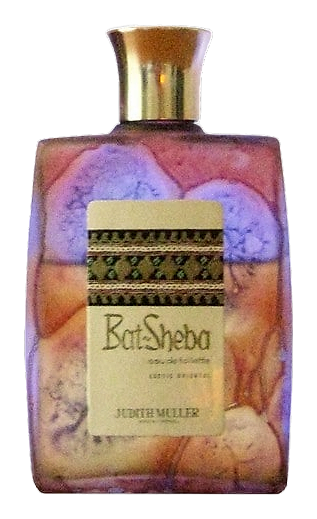
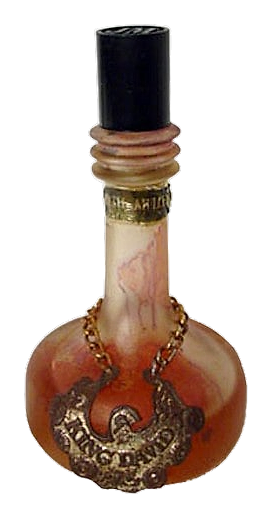
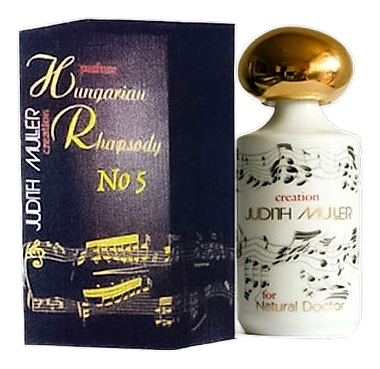
Judith Muller was born in Hungary in 1935 into what sources describe as a wealthy family, a background that reportedly afforded her the resources and connections to pursue a career in cosmetics and perfumery. The specifics of her early training remain sparse in available sources, though her career trajectory suggests formal expertise in cosmetology alongside her fragrance work. She eventually settled in Israel, establishing herself as a pioneering figure in that country's nascent fine fragrance industry during a period when the nation was still developing its own cosmetic and beauty traditions. In the late 1960s, Muller partnered with International Flavors and Fragrances (IFF), the American aromatic materials company, to develop her fine fragrance lines. This collaboration positioned her work within the infrastructure of the global fragrance industry while allowing her to pursue distinctly Israeli creative directions. The choice of IFF as a development partner reflected both the ambition of her vision and the practical reality that Israeli perfume manufacturing infrastructure was limited at the time. Her identity as a Hungarian-born creator working within Israel gave her work a cross-cultural dimension that informed both her naming conventions and her olfactive choices. The perfumes she created throughout the 1970s and beyond drew heavily on biblical and historical references, suggesting an interest in connecting fragrance to cultural narrative and personal identity. Muller passed away in 2012, leaving behind a body of work that continues to interest collectors and historians of perfume. Muller's fragrance philosophy appears rooted in the intersection of personal identity and olfactory storytelling. Her decision to name perfumes after biblical figures, including Bat-Sheba, King David, and Sharon, suggests a desire to evoke specific narratives and emotional landscapes rather than pursuing abstract aesthetic ideals. The biblical references were not merely decorative; they appear to have informed the character and intent of each fragrance, with Bat-Sheba reportedly designed to capture qualities associated with the biblical figure described in sources as possessing beauty and complexity. Her collaboration with IFF in the late 1960s indicates a modern, international approach to fragrance development, yet her subject matter remained deeply rooted in her own heritage and adopted homeland. The naming of The Hungarian Rhapsody No. 5 in 2005 demonstrates that her connection to her Hungarian origins remained significant decades after her departure, suggesting a philosophy that valued personal and cultural memory as legitimate sources of creative inspiration. Rather than pursuing the universal appeal of mainstream commercial fragrances, Muller appears to have created perfumes for wearers who would connect with their specific references and cultural resonances. This approach gave her work a particularistic quality that distinguished it from both the French haute parfumerie tradition and the emerging mass market.