Oily Notes
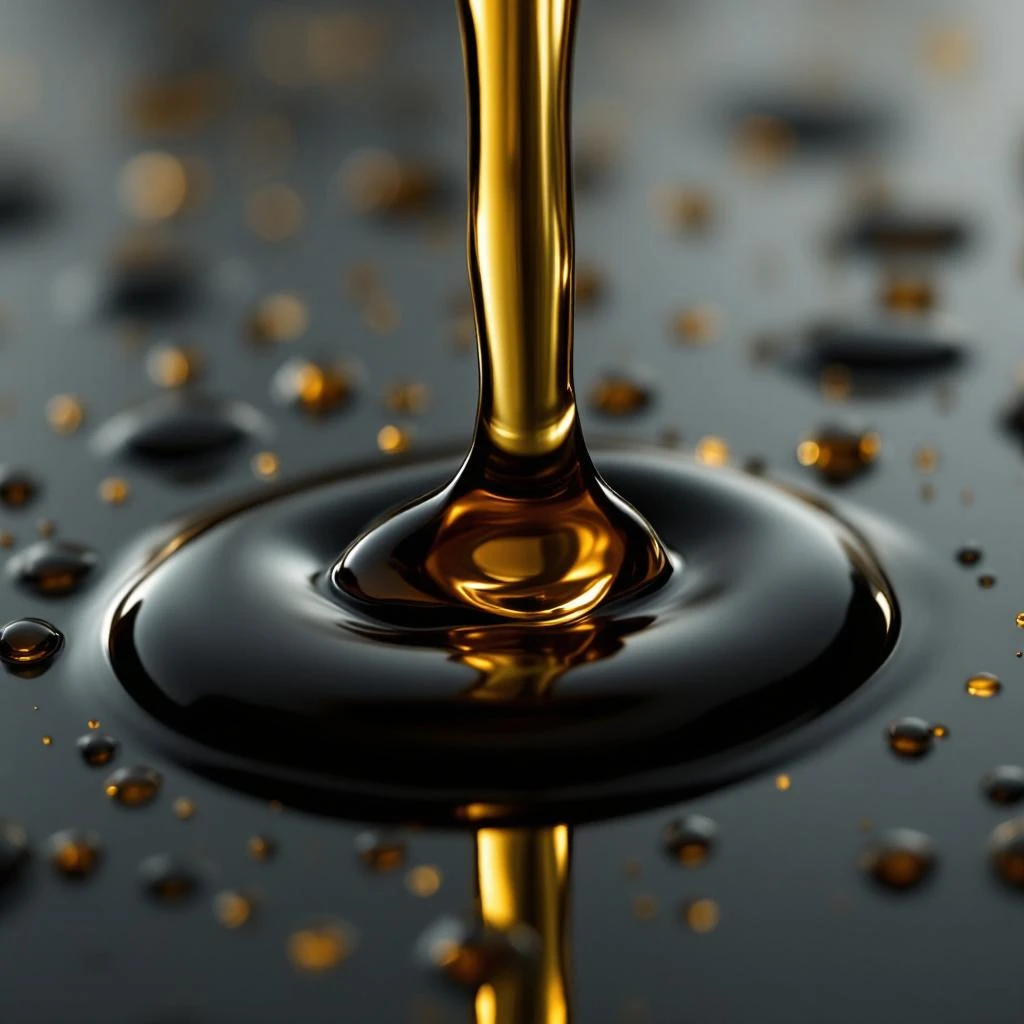
Oily notes bring weight, texture, and staying power to fragrance compositions. These fixed oils and unctuous materials create the sensory impression of richness that lingers close to the skin.
Character
How it smells
The weight that holds scent close.
The word perfume derives from the Latin per fumum, meaning through smoke, yet ancient perfumers first dissolved aromatic materials in oils, not alcohol.







Origin
India
Oily notes represent the original perfumery medium. When Mesopotamians first crafted incense around 4000 years ago, they combined aromatic resins with fats to create wearable scents. Egyptians advanced this technique dramatically, developing methods to store fragrances in oils and animal fats.
These fragrant balms adorned skin and hair, becoming central to beauty and religious ritual throughout ancient Egypt. The tradition spread to Greece and Rome, where perfumed oils became status symbols in daily life. Persian chemists then revolutionized the field by inventing distillation around the 10th century, though oil-based preparations persisted alongside alcohol extracts.
Indian and Middle Eastern attar traditions, which continue today, preserve this ancient approach, producing prized oil-based perfumes using sandalwood and other precious materials. The shift toward alcohol-based fragrances occurred only in the late 19th century, making oil-based perfumery the older and arguably more fundamental practice.
Wears it best
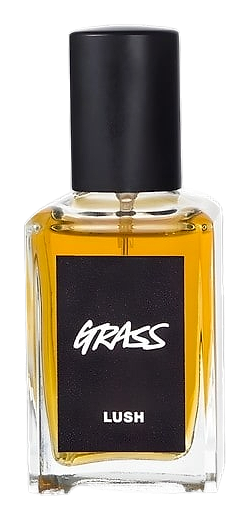
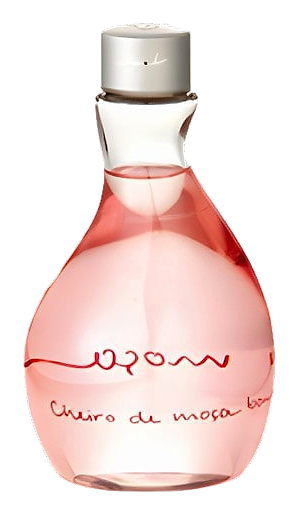
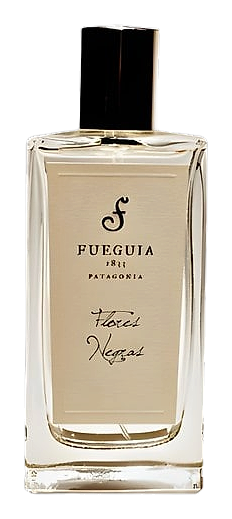
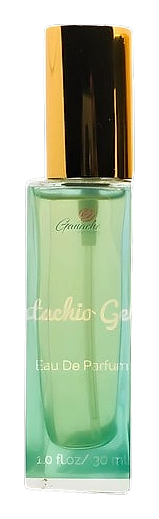
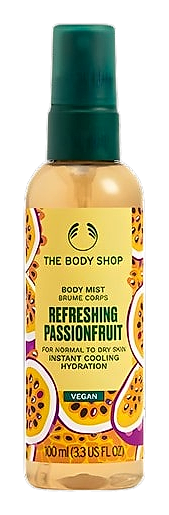
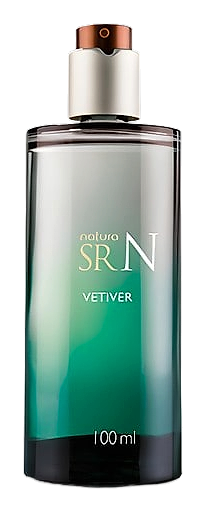
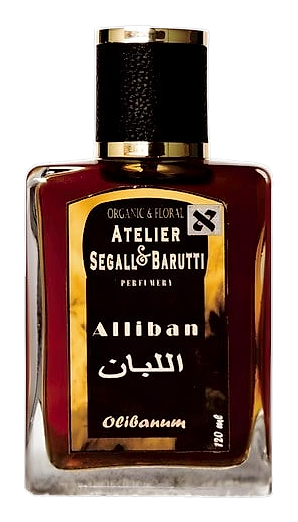
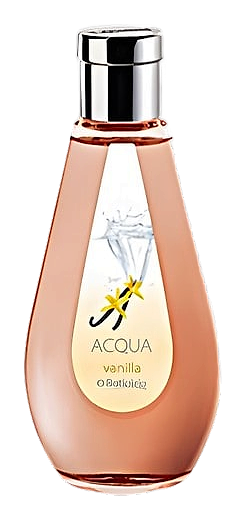
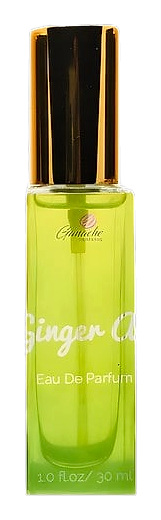
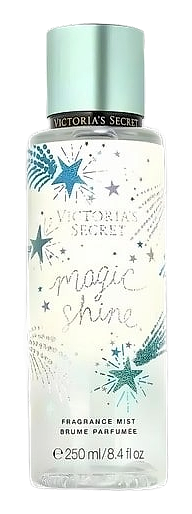
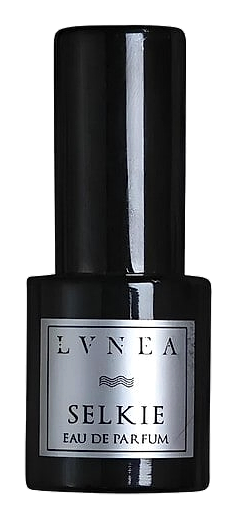
Fragrances featuring Oily Notes
Brands
Brands known for Oily Notes
Good to know
Questions, answered
The essentials on Oily Notes in perfumery: how it smells, where it comes from, and how it behaves on skin.
What defines oily notes in perfumery?
Oily notes describe the tactile impression of weight and unctuousness certain materials create in a fragrance. They come from fixed carrier oils, fatty naturals like ambrette seed, and rich materials such as certain musks and resinoids that coat the skin.
How do attars differ from alcohol-based perfumes?
Attars are oil-based perfumes made through hydrodistillation, where botanicals steep in a fixed oil carrier. They typically last longer on skin and project more intimately than alcohol-based fragrances, which evaporate faster but project more broadly.
What common oils serve as fragrance carriers?
Jojoba, fractionated coconut oil, sweet almond oil, and sandalwood oil function as primary carriers in oil-based perfumery. Each offers different skin feel and stability characteristics that influence how the fragrance performs.
Why do some naturals smell oily on skin?
Materials like ambrette seed, civet, and certain resinous naturals contain fatty acid molecules that create a waxy, unctuous sensation. This tactile quality distinguishes them from lighter citrus or floral materials.
What role does jojoba play in modern perfumery?
Jojoba serves as the most stable natural carrier oil available, with a shelf life exceeding other fixed oils. Its molecular structure closely resembles human sebum, making it exceptionally skin-compatible.
How did ancient cultures use oily materials in perfumery?
Egyptians and Mesopotamians created fragrant balms by infusing flowers and spices into animal or vegetable fats. This method predates alcohol-based perfumery by thousands of years and remains central to traditional attar-making.
Do oil-based fragrances last longer than alcohol ones?
Oil-based fragrances generally persist closer to the skin longer, often 6-8 hours, because oils do not evaporate as quickly as alcohol. However, they project with less sillage than alcohol-based counterparts.
What is enfleurage and does anyone still practice it?
Enfleurage involves pressing flower petals into temperature-controlled fat until it absorbs the scent. This labor-intensive method produces exceptionally pure absolutes. A few traditional houses in Grasse, France, still practice it for rare florals.