The Story
Why it exists.
The beginning
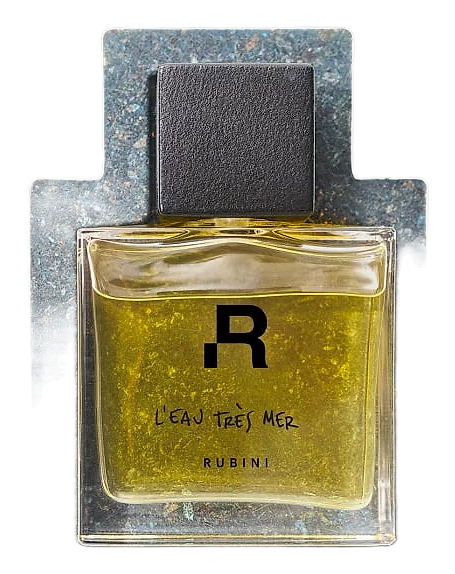
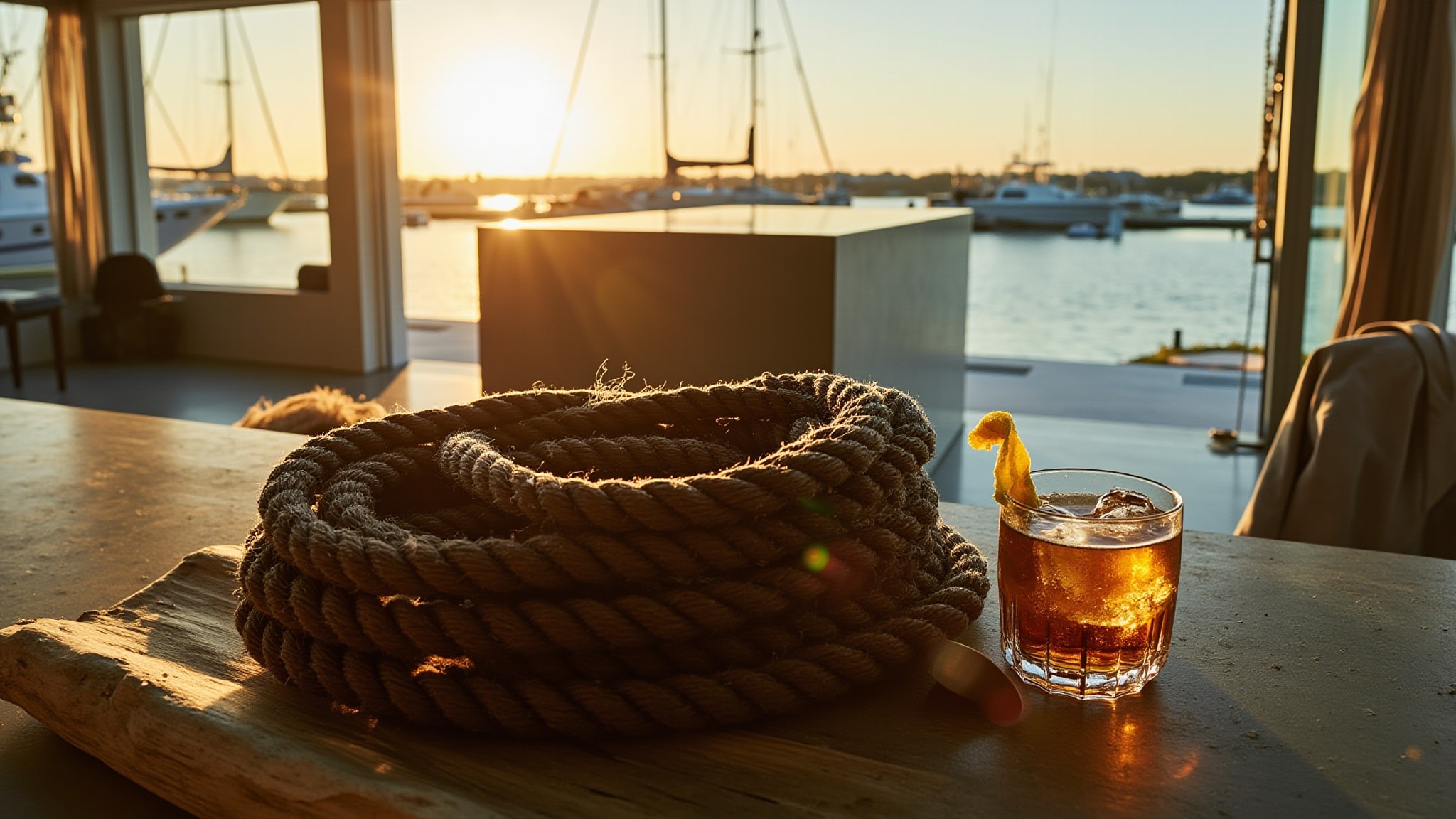
Cristiano Canali didn't want another aquatic that smelled like dish soap. He wanted the real thing, the salt that sticks to skin after a swim, the rope that won't dry, the rubber smell of gear abandoned on hot stone. L'Eau Très Mer is a marine fragrance that admits it's been somewhere. It leans into texture, into materials most perfumers wouldn't touch, neoprene, wet rope, pipe tobacco, because the composition draws from tactile, lived-in references rather than the polished shorthand of the postcard. The salt lingers. The rope stays damp. The tobacco brings warmth where most aquatics offer only breeze. This is what the sea leaves behind on you, rendered in scent, and Rubini lets each element carry its own weight without smoothing the edges.
What makes this composition unusual isn't any single note, it's the refusal to stay aquatic. Canali inverted the formula. The top reads bright and oceanic, sure, but the heart introduces industrial textures, neoprene and wet rope, that have no business in a fragrance marketed as sea-inspired. Then the base delivers something darker: pipe tobacco under driftwood, a warmth that contradicts everything the opening promised. The tension between synthetic marine and deep tobacco is where the fragrance earns its keep. You're not wearing a beach.
The evolution
The first ten minutes are deceptively familiar: sea breeze, a flash of tropical fruit, that bright calone sharpness that signals "aquatic." Don't get comfortable. Within thirty minutes the heart arrives and it doesn't behave. The rum CO2 brings a warm, almost fermenting sweetness. The wet rope and neoprene add something industrial, rubbery, and grounded. It smells less like a beach and more like a fishing dock at the end of a long day, salt-crusted, oil-stained, still humming with activity. By hour three, the driftwood and pipe tobacco settle into the base, and that's where this fragrance stops being a novelty and becomes something you actually wear. The tobacco is bitter, slightly sweet, and it lasts, layering over the woody notes with a quiet insistence. As the hours pass, the marine elements recede and the warmer materials take over. The driftwood dries out but keeps its grain.
Cultural impact
L'Eau Très Mer stands out within the marine fragrance category by refusing the conventions that usually define it. Canali's approach, layering industrial textures and pipe tobacco under the marine structure, treats the ocean as a working environment rather than a leisure backdrop. Wearers describe it as the fragrance of someone who actually knows what salt air smells like and refuses to romanticize it. It sits at the raw end of aquatic perfumery, closer to materials like wet rope, sun-heated rubber, and cured tobacco than to anything designed to evoke a breezy shoreline.