Wet Rope
Wet Rope is a synthetic accord that captures the briny, vegetal scent of coarse hemp fibers soaked in seawater. It anchors marine and oceanic fragrances with a salty, slightly musty realism that pure calone cannot achieve alone.

Character
How it smells
Salt-soaked fibers, bottled.
The accord typically combines galaxolide, amber, and a hint of seaweed absolute to mimic the microbial tang of ropes left on a working harbor dock.


Origin
Switzerland
The Wet Rope accord emerged from late 20th-century marine perfumery, a category that exploded after the 1991 release of Davidoff Cool Water, which introduced calone-driven aquatic scents to the mainstream. Perfumers seeking greater realism began layering additional materials to escape the flat sweetness of pure calone, and the briny fiber note became a signature of the era. By the early 2000s, niche houses like Profumum Roma and houses working with Mark Buxton had codified wet-rope constructions into salty-skin and harbor-themed compositions.
The accord draws on an old perfumer's trick: the human nose reads salt plus fiber as marine authenticity, even when those two signals come from completely unrelated chemical sources. Today the note appears in everything from mass-market aquatic flankers to artisanal harbor-inspired extraits, and it remains one of the most recognizable shortcuts to genuine seaside character.
Wears it best
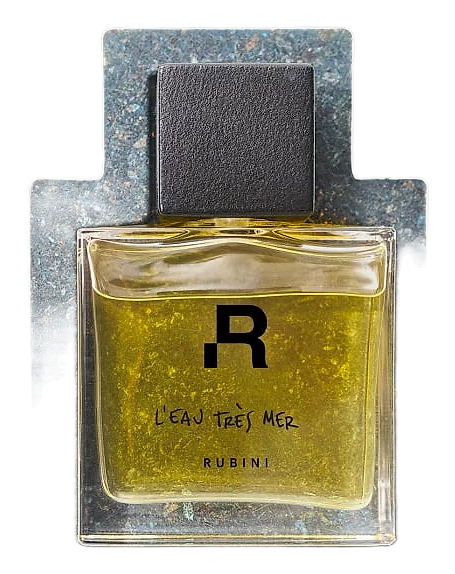
Fragrances featuring Wet Rope
Brands
Brands known for Wet Rope
Good to know
Questions, answered
The essentials on Wet Rope in perfumery: how it smells, where it comes from, and how it behaves on skin.
What does Wet Rope smell like in perfume?
It smells briny, salty, and slightly vegetal, evoking damp hemp fibers after a day at sea. The accord balances musk-driven fiber texture with low-dose marine and seaweed accents for an authentic harbor impression.
Is Wet Rope a natural or synthetic ingredient?
Wet Rope is a synthetic accord, meaning perfumers construct it by blending aroma chemicals rather than extracting it from one botanical source. This allows precise control over the salt, musk, and fiber balance.
Which perfumes use Wet Rope notes?
Profumum Roma Acqua Viva and Byredo Pulp are commonly cited examples, alongside many aquatic flankers from major houses. The accord also appears in niche harbor-themed compositions released since the early 2000s.
Why do perfumers use a Wet Rope accord instead of seaweed alone?
Seaweed absolute alone smells green and iodine-heavy, not briny-fiber. Combining musk and fiber notes with a seaweed accent produces a more convincing impression of salt-soaked rope on a working dock.
When was the Wet Rope accord first developed?
The accord gained traction in the 1990s following the marine perfumery boom sparked by Davidoff Cool Water in 1991. Perfumers layered additional materials to move beyond flat calone sweetness toward realistic seawater textures.
How is a Wet Rope accord constructed in the lab?
Perfumers typically blend a polycyclic musk like galaxolide with cashmeran or ISO E Super for damp fiber warmth, then add trace calone and sometimes a touch of seaweed absolute. The result is dosed at under two percent.
Is Wet Rope safe to wear on skin?
Yes, the aroma chemicals used in the accord are approved by IFRA for skin contact at typical usage levels. As with any fragrance, sensitive individuals should patch-test before full application.
Can Wet Rope notes be layered with other marine ingredients?
Absolutely. The accord pairs well with calone for ozone, ambergris accords for warmth, and citrus top notes for lifted coastal brightness. It also grounds salty-skin compositions built around musks.