Neoprene
Neoprene brings an industrial edge to modern perfumery. This synthetic rubber note captures the raw, slightly chemical scent of new wetsuits and rubber bands, adding a contemporary edge to fragrances that seek to break from tradition.

Character
How it smells
The industrial accord that defines modern masculinity.
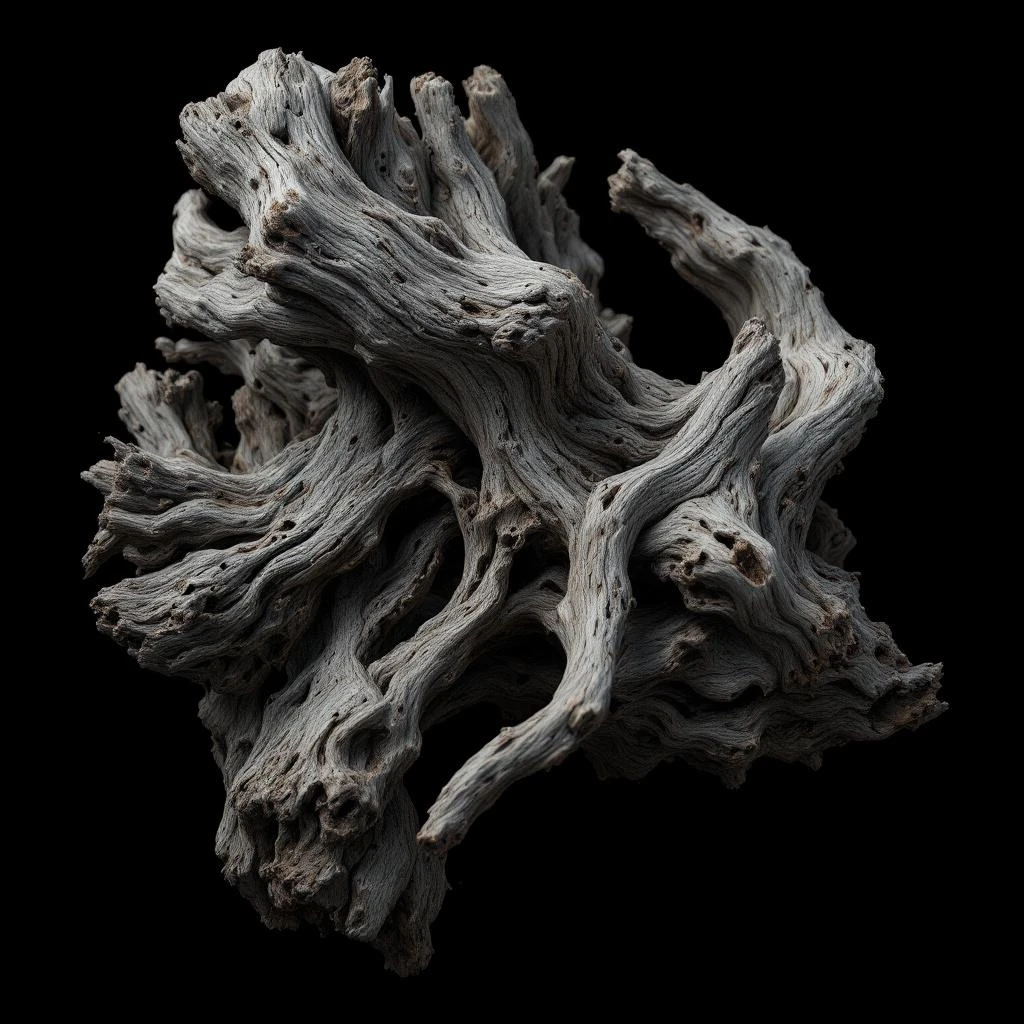
Wallace Carothers invented neoprene while searching for something else entirely, during his polyester experiments at DuPont in 1930.








Origin
United States
Wallace Carothers, working at DuPont in 1930, discovered neoprene accidentally during his research into synthetic polyesters. Carothers had already invented nylon and was experimenting with polymerization when he created polychloroprene, which DuPont marketed as neoprene in 1931. The material revolutionized industrial applications due to its resistance to oils, chemicals, and weather.
Fragrance chemists later adopted neoprene's distinctive rubbery character as an aromatic note, creating synthetic molecules that capture this industrial scent profile. The accord became particularly popular in men's fragrances during the 2000s, when aquatic and ozonic themes expanded to include rubbery, industrial elements that suggested modernity and technical precision.
Wears it best
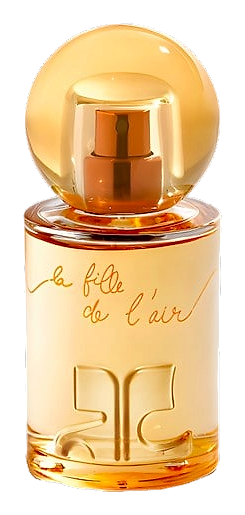
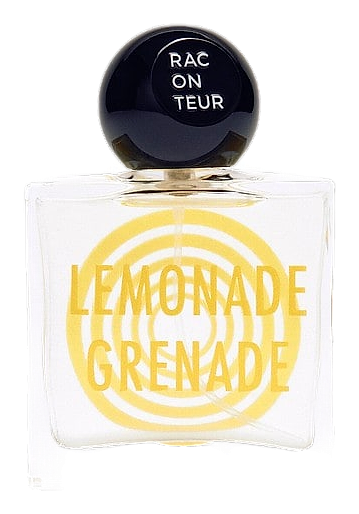
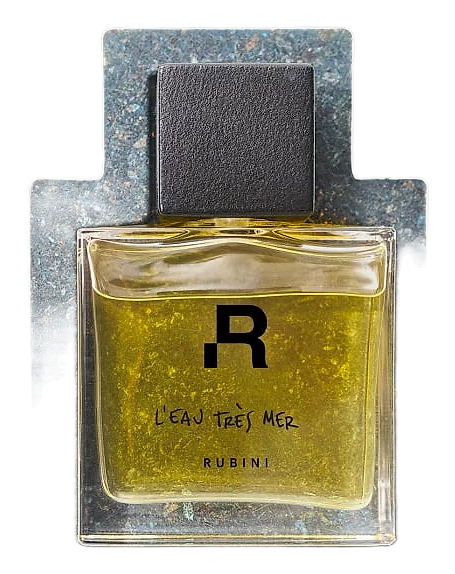
Fragrances featuring Neoprene



Brands
Brands known for Neoprene
Good to know
Questions, answered
The essentials on Neoprene in perfumery: how it smells, where it comes from, and how it behaves on skin.
What does neoprene smell like in perfumery?
Neoprene in fragrance evokes the clean, industrial scent of new rubber. It carries slightly chemical, petroleum-like undertones with a dry, almost plasticky character that feels modern and technical rather than natural.
Is neoprene a natural or synthetic fragrance ingredient?
Neoprene is entirely synthetic. Fragrance chemists create rubbery aroma chemicals that mimic neoprene's industrial scent profile, as no natural material produces this specific note.
Which fragrances commonly use neoprene notes?
Many modern men's fragrances incorporate neoprene or rubbery accords. These notes appear frequently in aquatic fragrances, fougeres, and contemporary gender-neutral scents that aim for a technical, industrial aesthetic.
When did neoprene become a fragrance material?
Neoprene entered perfumery more recently, gaining popularity in the 2000s. Wallace Carothers invented the polymer itself in 1930, but fragrance chemists only adopted its characteristic scent as an aromatic note decades later.
Does neoprene smell like a wetsuit?
Yes, the neoprene note in perfumery closely resembles the smell of new wetsuit material. This rubbery, slightly chemical scent became a signature element in several modern fragrances seeking an athletic or technical character.
What other fragrance notes pair well with neoprene?
Neoprene pairs naturally with aquatic notes, ozonic accords, and modern woods like cedar and vetiver. It also complements marine ingredients and fresh citrus top notes in contemporary fragrance compositions.
Is neoprene used as a fixative in perfumery?
Neoprene-style aroma chemicals can function as fixatives due to their molecular stability. Their rubbery structure helps anchor more volatile top notes, extending the fragrance's longevity on skin.
What is the chemical name for neoprene?
Neoprene is polychloroprene, a polymer of chloroprene (2-chlorobutadiene). DuPont first synthesized and trademarked this synthetic rubber in 1931 under the brand name Neoprene.