The Story
Why it exists.
The beginning
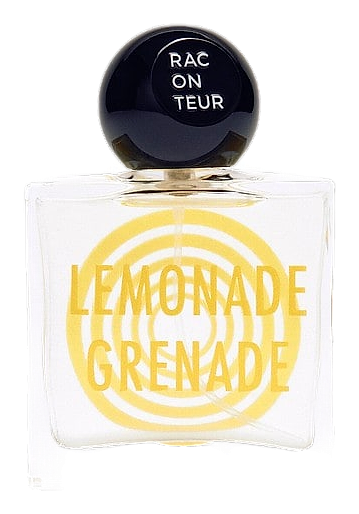
Lemonade Grenade began as a provocation: what if Australian summer citrus was loud on purpose? Not polite bergamot, not restrained neroli, the real thing, the kind that slaps you across the face when you step off the plane in December. Perfumer Craig Andrade built the composition around the native lemon species that don't export well because their character is too much for standard processing. Lemon myrtle, lemon ironbark, lemon petitgrain, each one a different frequency of the same idea, layered until the effect is more chorus than solo. The name came last, after testing. Someone said it tasted like drinking lemonade too fast, and the grenade part felt right, small, contained, explosive.
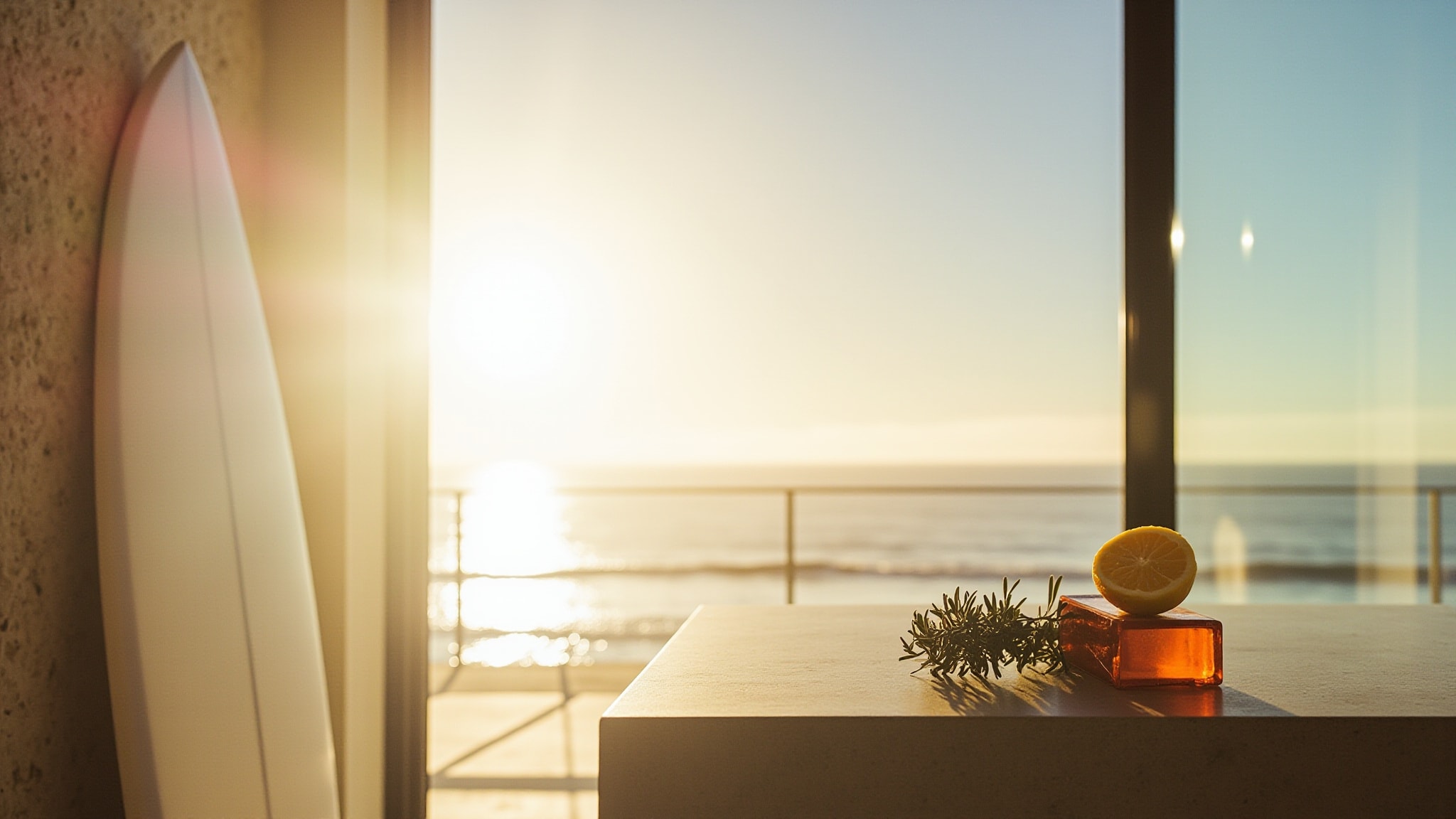
The surf wax and neoprene notes are the tell. Most fragrances use marine accords to signal 'beach', this one goes deeper into the texture of actually being there. The smell of a wetsuit left in the sun, the mineral tang of salt drying on skin, the green-citrus snap of lemongrass that cuts through the sweetness before it can get cloying. Vetiver root does the work of keeping everything grounded without weighing it down. The result is a citrus that behaves, it doesn't dissolve into 'fresh and clean' or collapse into abstract florals. It stays Australian summer, from opening to drydown, because the native botanicals carry their terroir with them.
The evolution
The opening hits like saltwater and lemon, bright, almost aggressive, a cloud of citrus that announces itself before you've even opened the bottle. Within minutes the sharpness softens as vanilla creeps in, turning the attack into something rounder, warmer. The drydown is where this lives: salt, vetiver, and that lingering sweetness that clings to skin like the memory of a long afternoon. Lasts 6-8 hours on most, intimate sillage that stays close without disappearing.
Cultural impact
The Raconteur's 2024 release marks a significant moment in the niche fragrance landscape, using five different native Australian lemon species in a single composition. This approach challenges the dominance of Mediterranean citrus traditions that have long defined modern perfumery. By sourcing lemon myrtle, lemon ironbark, and litsea cubeba from Australian suppliers, the brand contributes to a growing movement of locally-sourced botanical ingredients in fragrance production. The inclusion of surf wax and neoprene notes reflects a distinctly Australian beach culture that parallels the global rise of aquatic and coastal-themed scents.