Lemon Petitgrain
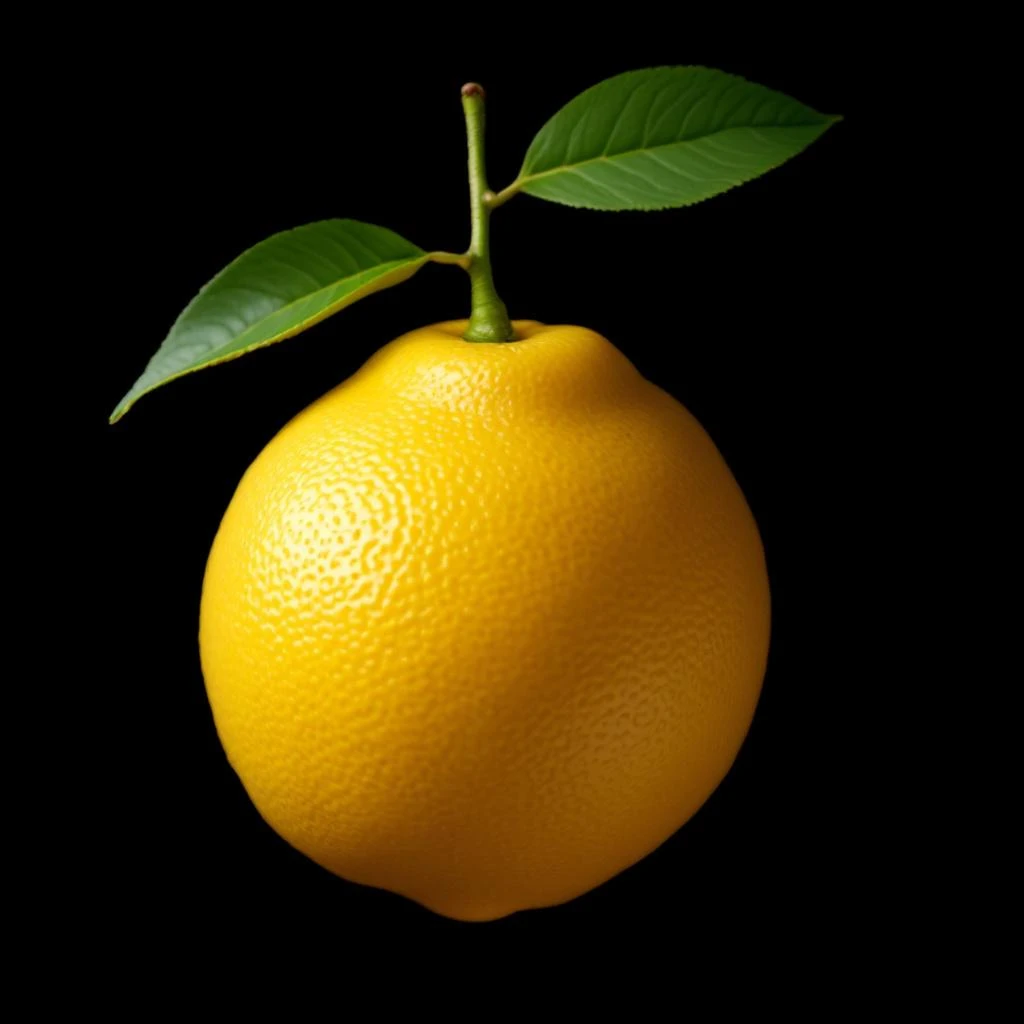
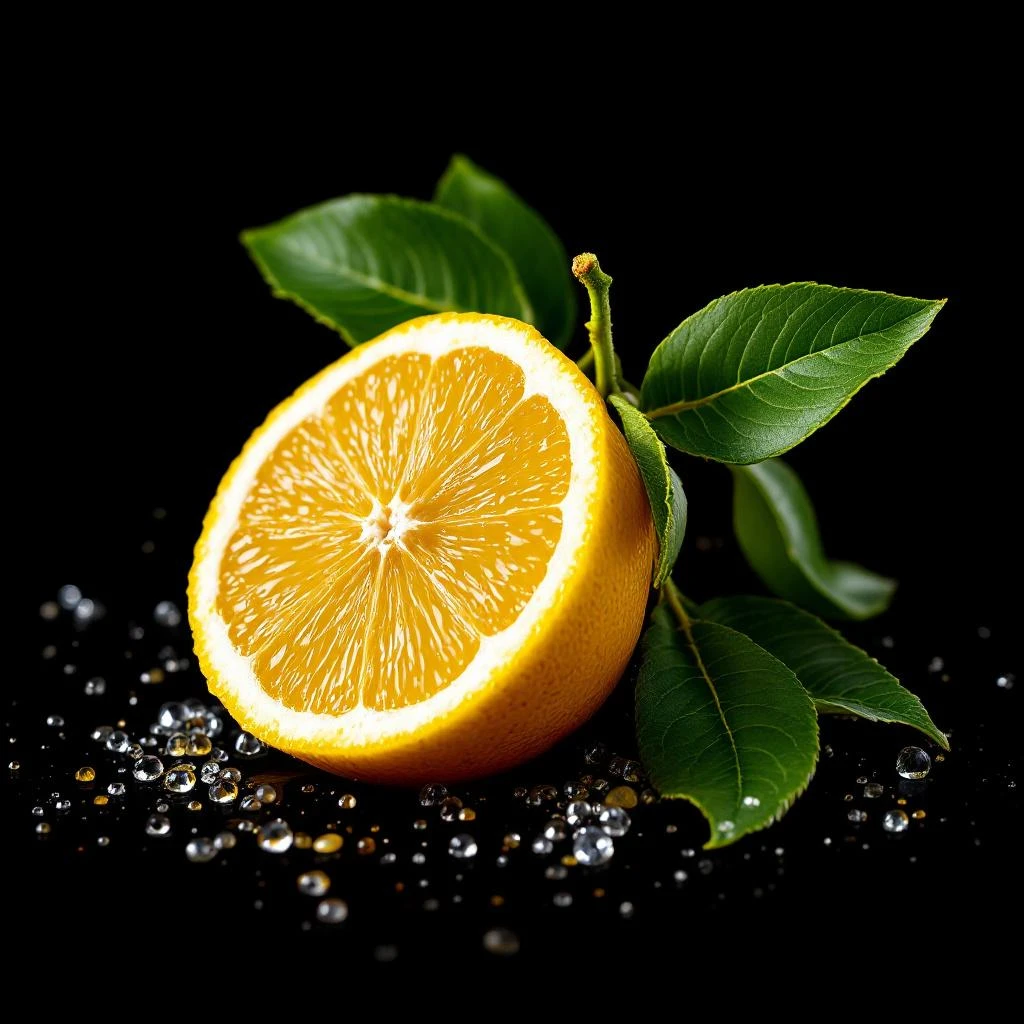
Lemon Petitgrain captures the bright, zestful spirit of the bitter orange tree's leaves and twigs. Steam-distilled from young Citrus aurantium growth, it delivers a clean citrus aroma with green, slightly floral undertones that feels both refreshing and deeply aromatic.
Character
How it smells
Citrus clarity from leaf and twig.
A single kilogram of petitgrain oil requires roughly 200 kilograms of leaves and young twigs to produce.








Origin
Paraguay
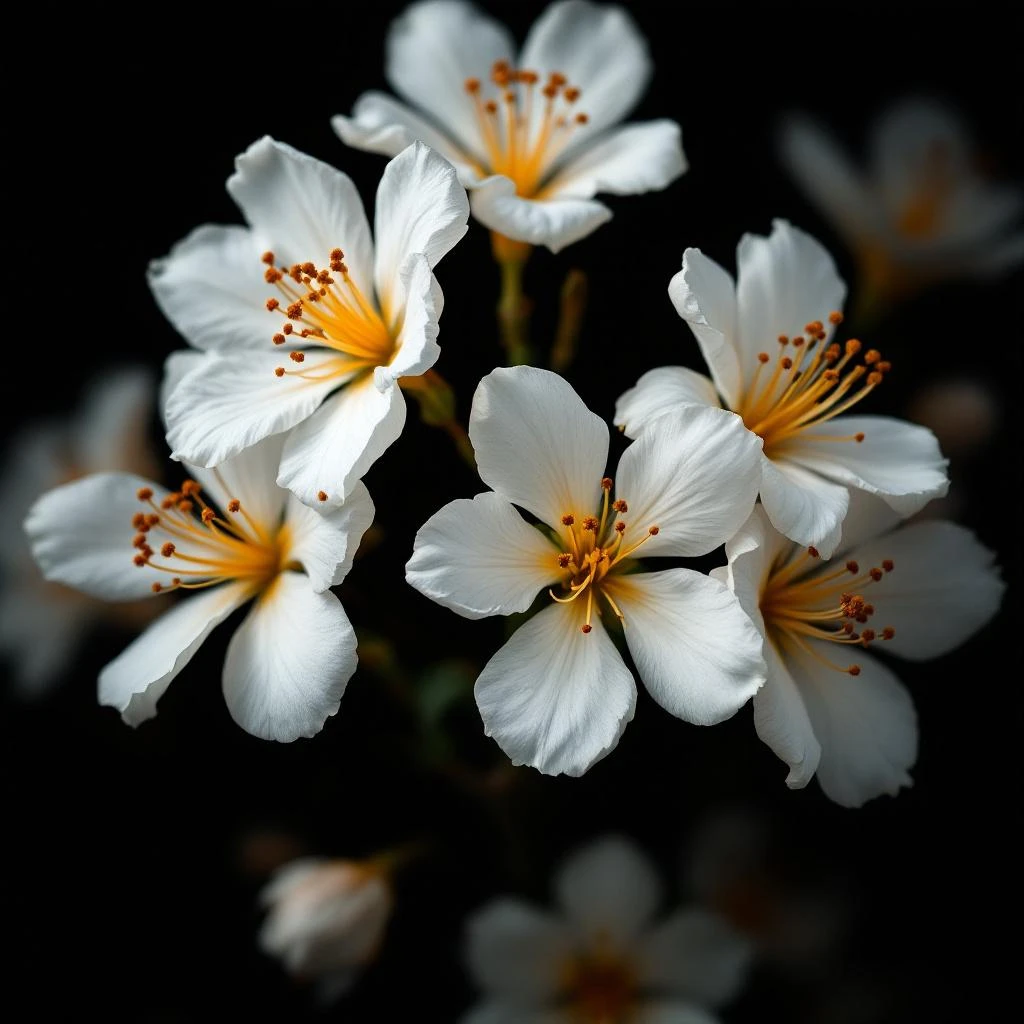
The bitter orange tree, native to southern China, traveled westward along trade routes centuries ago, establishing itself across the Mediterranean and eventually reaching South America. In 1876, French botanist Benjamin Balansa brought petitgrain distillation technology to Paraguay, sparking a production tradition that would define the country's fragrance industry.
The name petitgrain itself comes from the French for small grain, reflecting the early practice of using tiny unripe citrus fruits alongside leaves. By the late 19th century, Paraguay had become a global center for petitgrain production, supplying perfumers across Europe with affordable citrus-floral material.
French perfumers of the 18th and 19th centuries popularized petitgrain as a middle note, valuing its ability to bridge bright citrus top notes with deeper floral and resinous base materials. While neroli and orange blossom absolutes eventually overshadowed petitgrain in some formulations, the ingredient endured as a versatile citrus-floral element, with Paraguayan production remaining significant into the modern era.
Wears it best
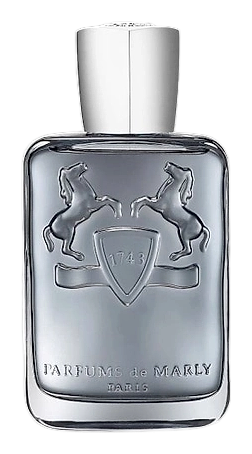
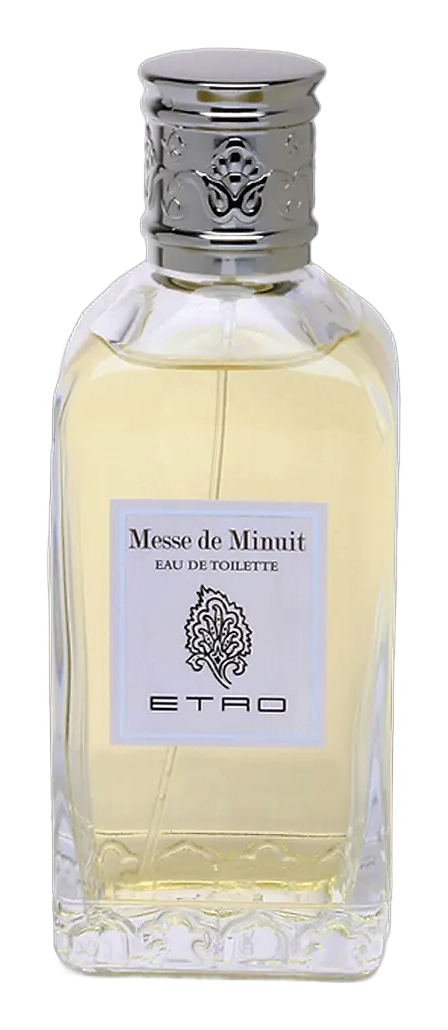
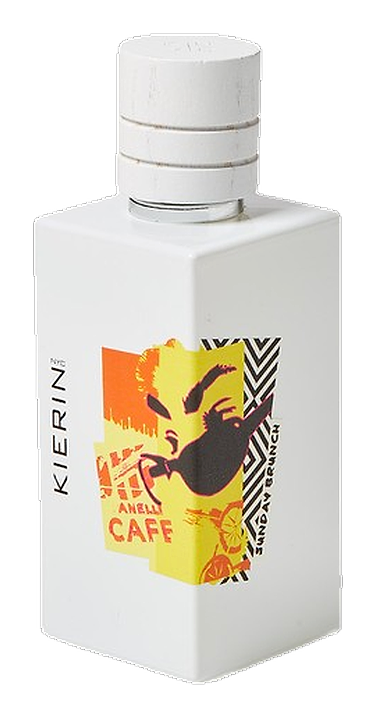
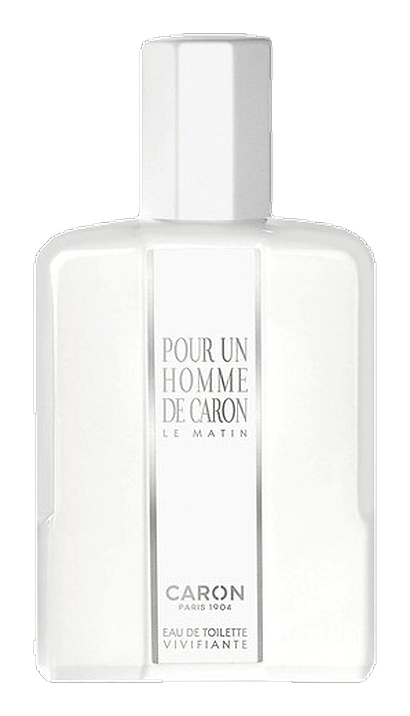
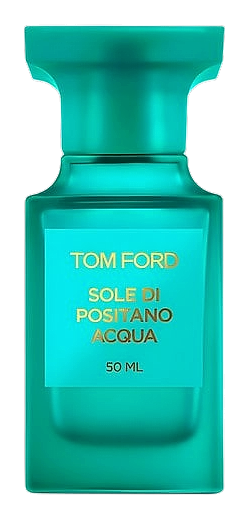
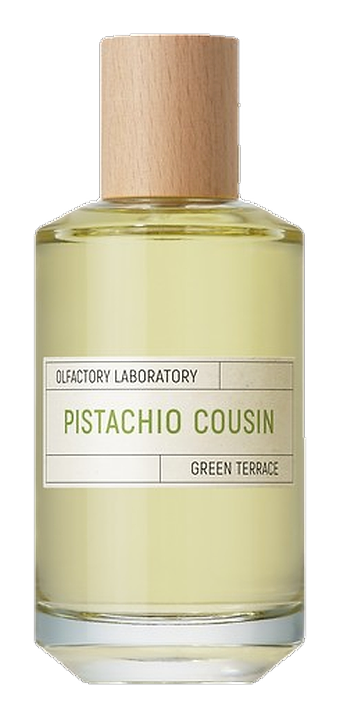
Fragrances featuring Lemon Petitgrain
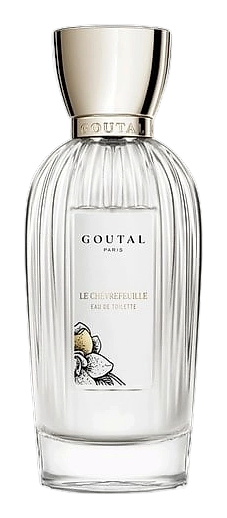
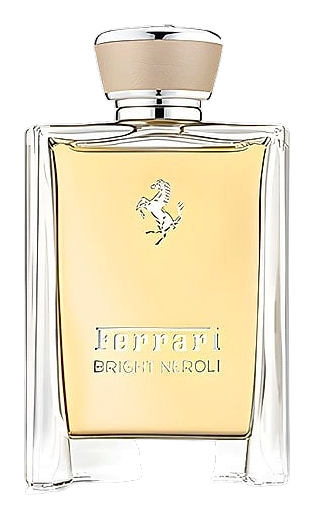
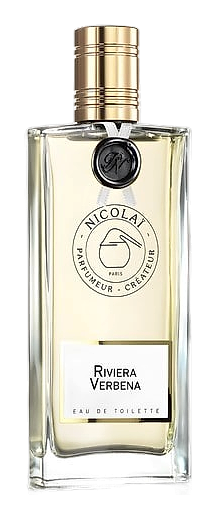
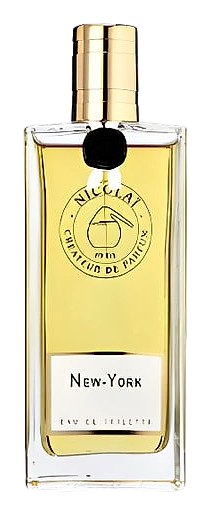
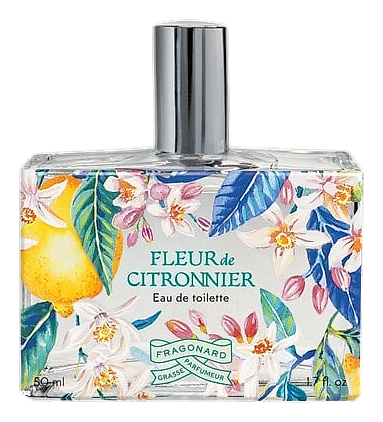
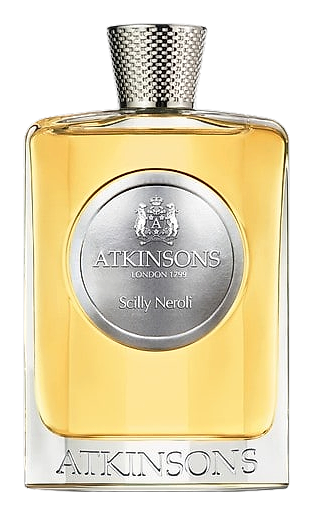
Brands
Brands known for Lemon Petitgrain
Good to know
Questions, answered
The essentials on Lemon Petitgrain in perfumery: how it smells, where it comes from, and how it behaves on skin.
What is Lemon Petitgrain?
Lemon Petitgrain is petitgrain essential oil derived from the leaves and young twigs of the bitter orange tree, Citrus aurantium, with a chemotype emphasizing bright, lemon-like citrus facets in its aroma profile.
What does Lemon Petitgrain smell like?
It smells like clean citrus with green, slightly bitter undertones and faint floral warmth. The lemon-like character provides crispness without the sharpness of actual lemon peel.
Which plant produces petitgrain oil?
The bitter orange tree, Citrus aurantium, provides the leaves and young twigs used for petitgrain oil. Some producers also extract petitgrain from mandarin and other citrus species.
How does petitgrain differ from neroli?
Petitgrain comes from the leaves and young twigs of the bitter orange tree, while neroli is extracted from the blossoms of the same tree. Neroli is floral and deeper; petitgrain is greener and more citrus-forward.
How is petitgrain oil extracted?
Steam distillation extracts petitgrain oil from harvested leaves and twigs. Pressurized steam ruptures the plant's oil glands, carrying volatile compounds into a condensation system where the oil separates from the hydrosol.
Where did petitgrain production originate?
Paraguay became a center for petitgrain production in 1876 when French botanist Benjamin Balansa introduced distillation equipment and techniques to the country.
Is petitgrain oil sustainable?
Petitgrain oil is considered relatively sustainable because it uses a byproduct of citrus cultivation. Leaves and twigs are harvested without uprooting the tree, allowing continued fruit production.
What fragrance families use Lemon Petitgrain?
Perfumers use it in citrus, chypre, fougere, and floral compositions. It functions as a middle note that brightens citrus openings and softens sharper green or herbal elements.