Eucalyptus Staigeriana
Eucalyptus staigeriana is an Australian lemon-scented eucalyptus species whose oil delivers a crisp, citrusy freshness unlike more common cineole-forward varieties, making it a prized top-to-middle note in fine fragrance.

Character
How it smells
Citrus-cineole balance from the Australian bush.
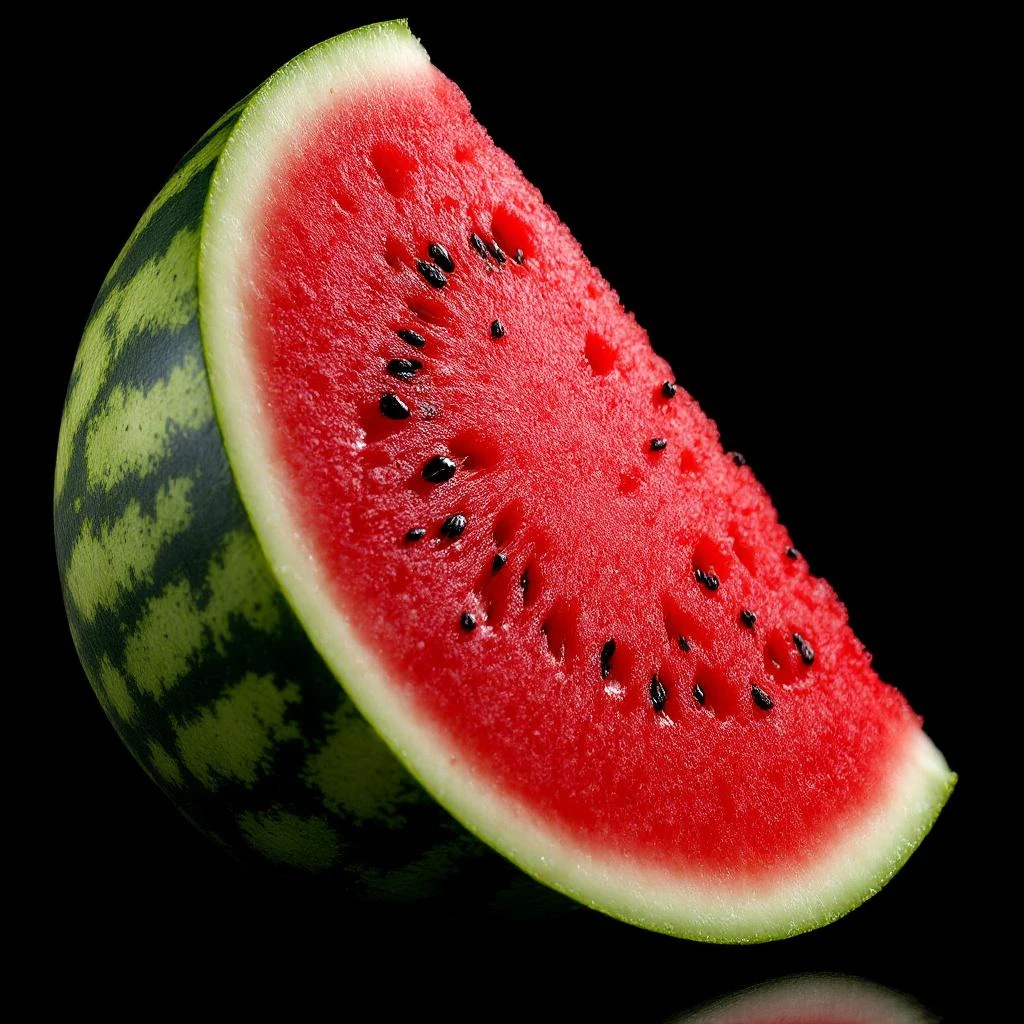
Eucalyptus staigeriana contains up to 75% citronellal, a compound typically associated with lemon eucalyptus, giving it a distinctive lemony character within the eucalyptus family.




Origin
Australia
Aboriginal Australians used Eucalyptus staigeriana for centuries, recognizing its distinct lemon scent among the hundreds of eucalyptus species native to the continent. Early colonial pharmacists noted the unusual fragrance, but commercial interest remained limited until the early 20th century.
The species gained prominence in the 1940s as fragrance chemists identified citronellal as a valuable ingredient for citrus and fresh fragrance compositions. Joseph Bosito's 1852 commercial establishment of eucalyptus oil production in Victoria laid groundwork for broader industry development, eventually encompassing specialty species like staigeriana.
Australian production dominated global supply through the mid-20th century before Brazilian cultivation expanded. Today, Eucalyptus staigeriana represents a niche but valued component in the modern perfumer's palette, valued for its ability to bridge citrus and eucalyptus fragrance families.
Wears it best
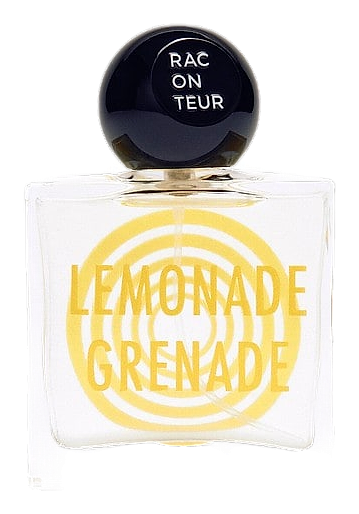
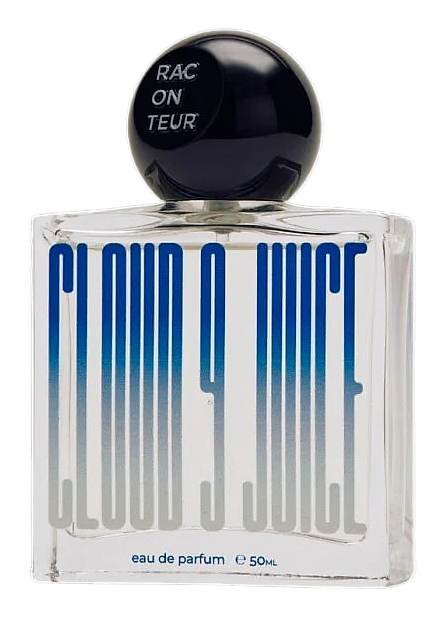
Fragrances featuring Eucalyptus Staigeriana
Brands
Brands known for Eucalyptus Staigeriana
Good to know
Questions, answered
The essentials on Eucalyptus Staigeriana in perfumery: how it smells, where it comes from, and how it behaves on skin.
What does Eucalyptus staigeriana smell like?
It delivers a bright, lemon-forward aroma with cool, medicinal eucalyptus undertones. The citrus character distinguishes it from common eucalyptus oils that read as purely medicinal.
How is Eucalyptus staigeriana oil extracted?
Steam distillation of fresh leaves and branchlets produces the oil. Controlled temperature and pressure preserve the delicate citronellal compounds responsible for its lemon character.
Where does Eucalyptus staigeriana grow?
The species is native to Queensland, Australia. Commercial production occurs primarily in Queensland and Brazil, where plantation cultivation ensures consistent oil quality.
Is Eucalyptus staigeriana natural or synthetic?
It is a natural ingredient extracted from plant material. Some fragrance houses use synthetic citronellal to replicate the effect at lower cost.
What makes Eucalyptus staigeriana different from other eucalyptus oils?
Common eucalyptus oils contain 70-85% cineole, giving a sharp, medicinal character. Staigeriana contains up to 75% citronellal, creating a lemon-like freshness within the eucalyptus family.
What fragrance families use Eucalyptus staigeriana?
Fresh, citrus, and aromatic fragrances commonly feature it. It appears in masculine colognes, aquatic compositions, and aromatherapy-inspired fine fragrances as a top or middle note.
Is Eucalyptus staigeriana oil safe in perfumery?
When properly distilled and diluted, it is considered safe for fragrance use. IFRA guidelines regulate maximum concentrations in consumer products.
Why is Eucalyptus staigeriana oil expensive?
Limited global production and specialized composition drive premium pricing. Brazil remains the primary commercial supplier, competing with Australian estates for specialty markets.