Surf Wax
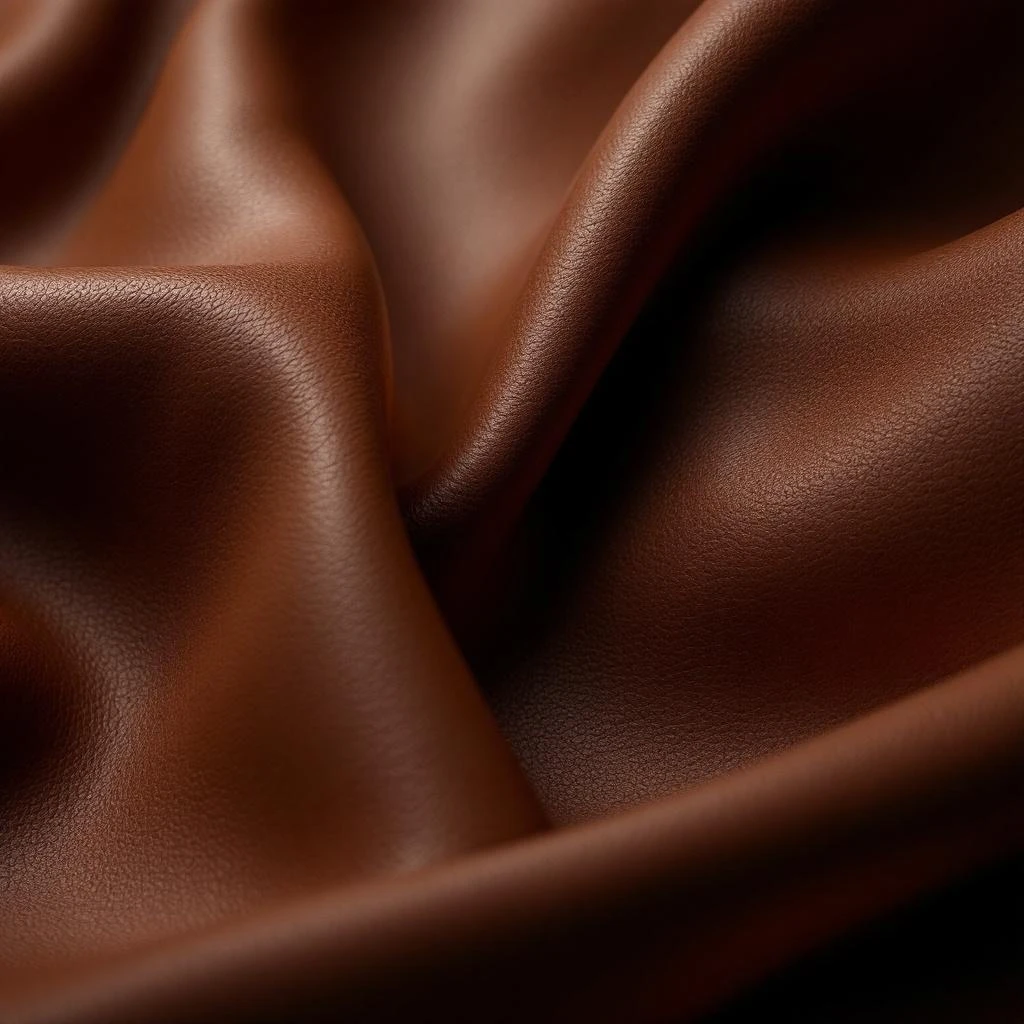
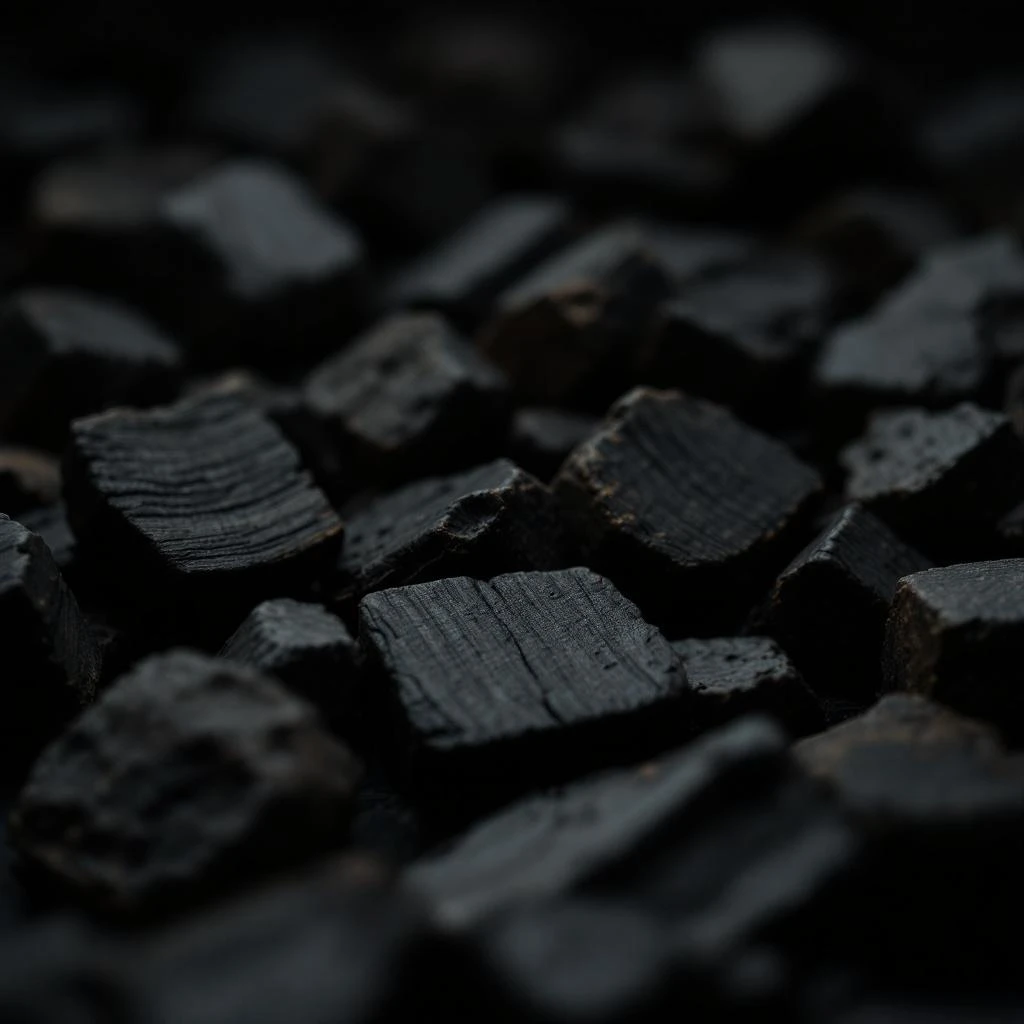
Surf wax brings the salt-kissed trail of beach culture into perfumery—pine resin warmth, coconut cream, and sun-warmed mineral calcite that evokes tide pools and endless summer sessions.
Character
How it smells
Coastal grip: from surfboard to fragrance
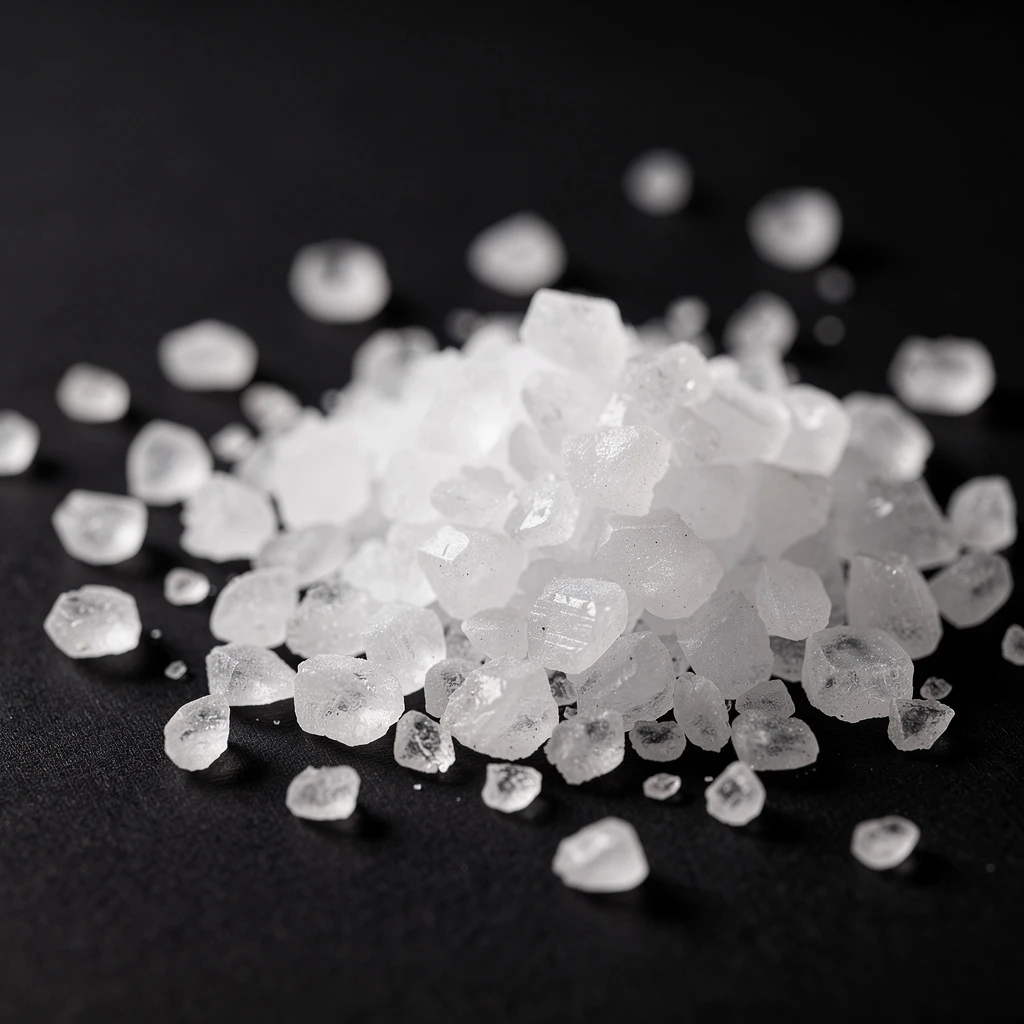
Sticky Bumps pioneered calcite in surf wax in the 1970s—the same mineral now lending earthy depth to fragrance compositions.





Origin
United States
Surf wax emerged from necessity in 1970s California. Before purpose-made compounds, surfers improvised with candle wax and household products. In 1972, two pivotal figures entered the scene: John Dahl founded Wax Research in Encinitas, while Frederick Charles Herzog III and chemist Nate Skinner launched Mr.
Zog's Sex Wax. Both companies developed specialized formulations for board traction. Sticky Bumps later revolutionized the industry by adding calcite for superior grip.
The surf wax movement spread globally—Fu Wax brought production to Brazil, while Others Organic in Ireland built supply chains around community resin collectors. Today, surf wax bridges functional sport and sensory culture, inspiring fragrances that capture beach rituals and ocean memories.
Wears it best
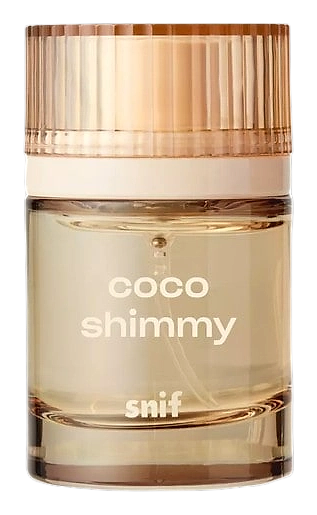
Fragrances featuring Surf Wax
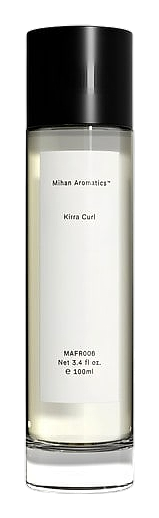
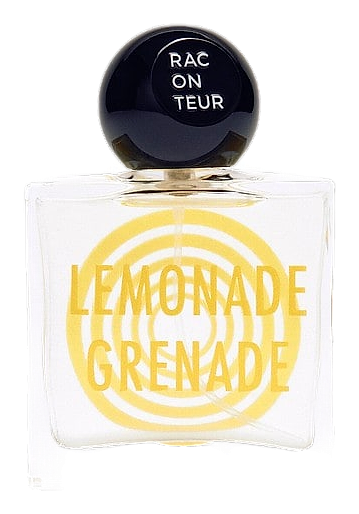
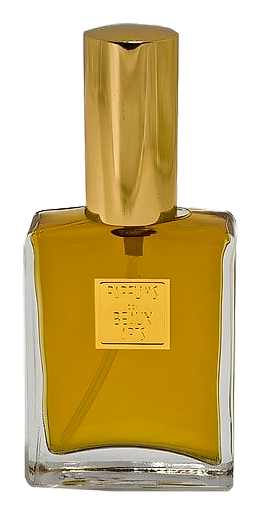
Brands
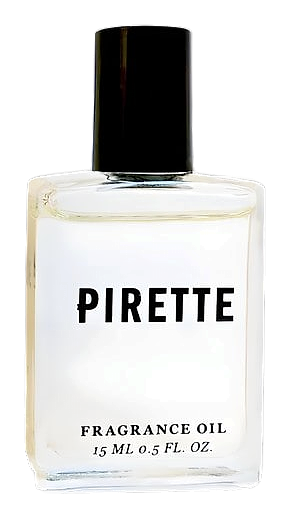
Brands known for Surf Wax
Good to know
Questions, answered
The essentials on Surf Wax in perfumery: how it smells, where it comes from, and how it behaves on skin.
What does surf wax smell like in perfumery?
Surf wax captures pine resin warmth, coconut creaminess, and mineral calcite earthiness. It evokes sun-heated boards, salt spray, and tide pool mineral notes—a coastal memory translated into fragrance form.
Is surf wax a natural fragrance ingredient?
Natural surf wax uses pine resin from sustainably managed forests, plant-derived oils, and mineral calcite. Eco-conscious producers source four main ingredients: pine resin, olive or coconut oil, limestone, and shrub wax.
Where did surf wax originate?
California surfers first improvised with candle wax before 1972, when John Dahl founded Wax Research and Frederick Herzog launched Mr. Zog's Sex Wax—marking the birth of purpose-made surf wax.
How is surf wax used in fragrances?
Fragrance creators blend pine resin, coconut, and mineral notes inspired by surf culture. The result captures the sensory world of beach rituals—board preparation, salt air, and sun-warmed wax—translated into scent.
What mineral makes surf wax effective?
Calcite—calcium carbonate—revolutionized surf wax in the 1970s. Sticky Bumps pioneered its use for improved grip. In perfumery, calcite contributes earthy, mineral undertones to fragrance compositions.
Can natural surf wax inspire fragrances?
Absolutely. Natural wax producers emphasize four-ingredient formulas using pine resin, plant oil, limestone, and shrub wax. These same botanical materials inspire perfumers creating coastal-inspired scent profiles.
What is the connection between surf wax and perfumery?
Surf wax bridges functional sport and sensory culture. Perfumery captures the same beach memories—salt, coconut, warm resin—using ingredients inspired by surf wax formulations and the rituals surrounding them.
Does surf wax have a role beyond surfboards?
In perfumery, surf wax serves as an aromatic concept rather than a functional ingredient. Fragrance houses create coconut-pine-mineral compositions that evoke surf culture, board preparation, and endless summer sessions.