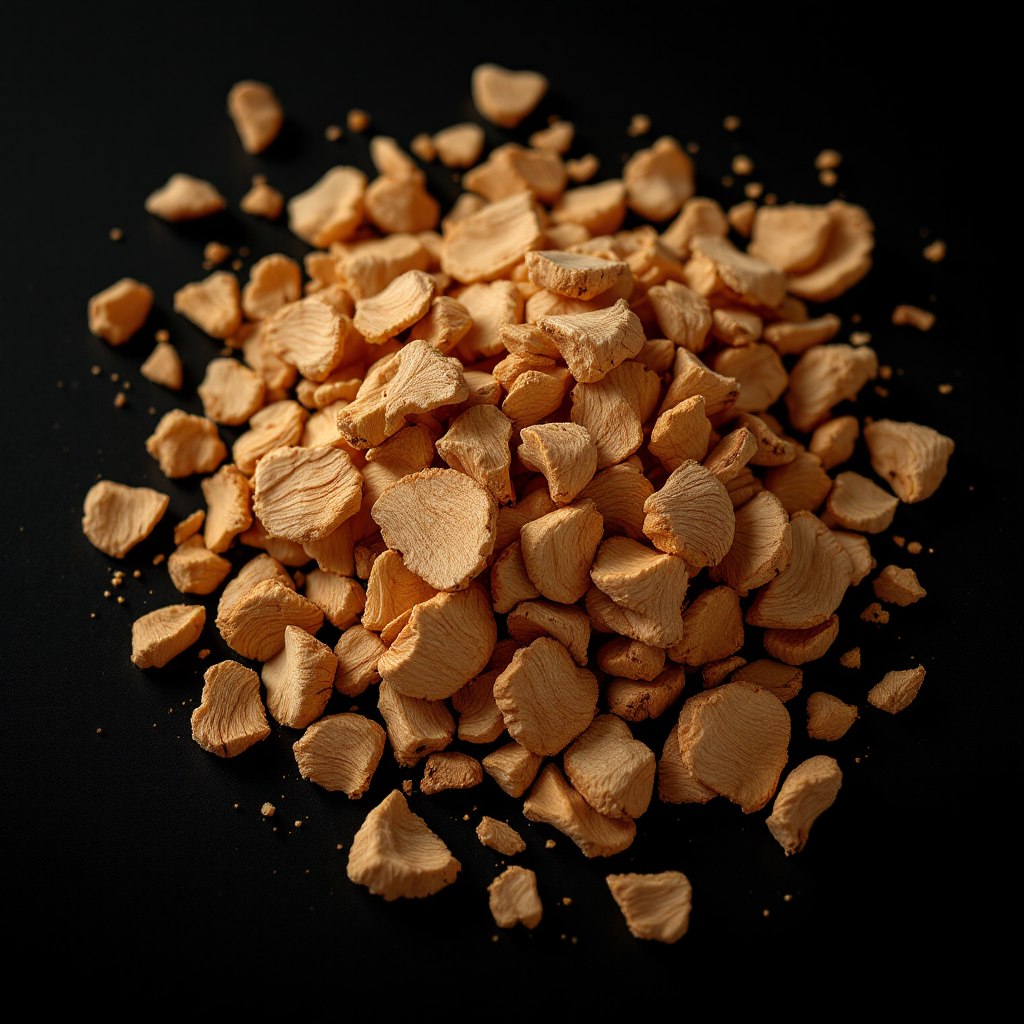
Buddha Wood
Native to Australia’s red‑centered deserts, Buddha Wood delivers a smoky, dry, rubber‑tinged aroma that anchors modern blends with a grounded, resinous depth.
Character
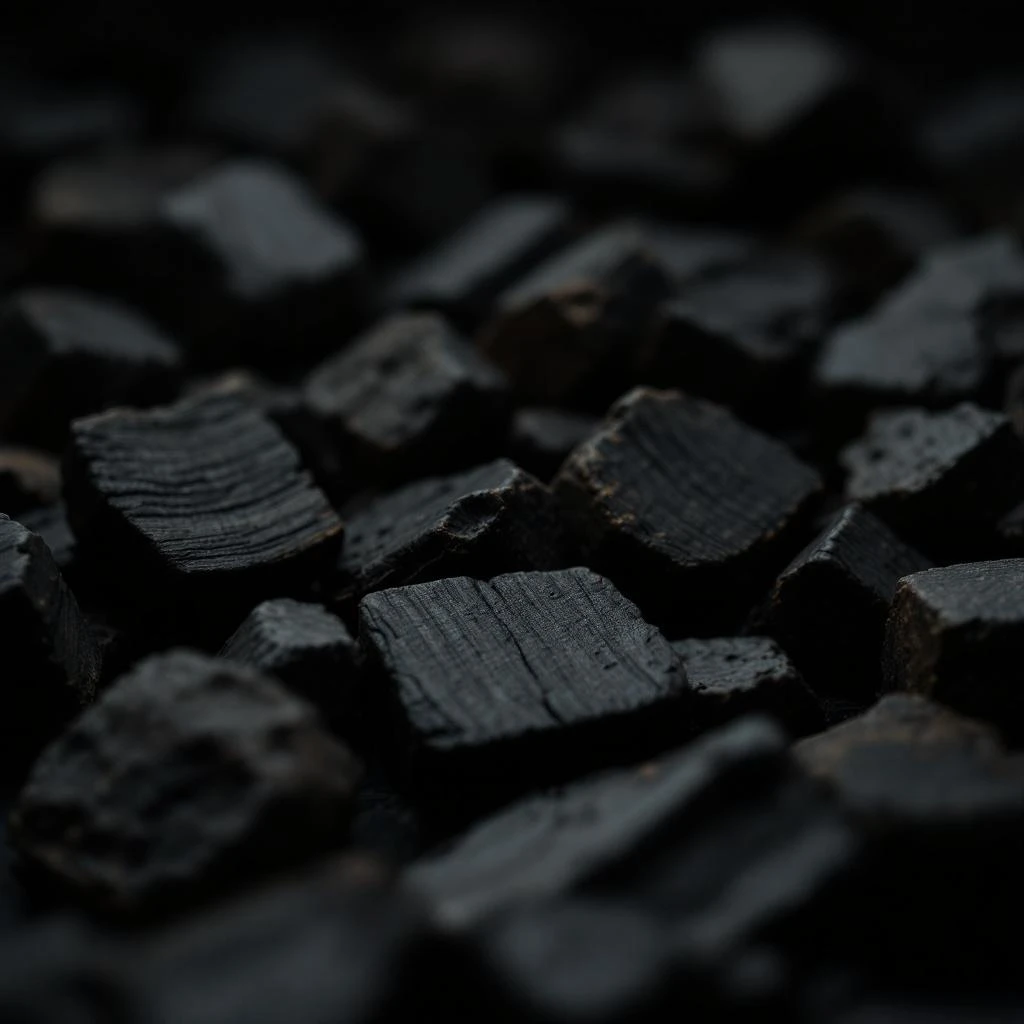
How it smells
Smoky, dry wood that grounds the scent.
Buddha Wood was first chemically described in 1925 by Australian chemists, who noted its high eremophilone content, making it a natural alternative to sandalwood in early perfumery experiments.








Origin
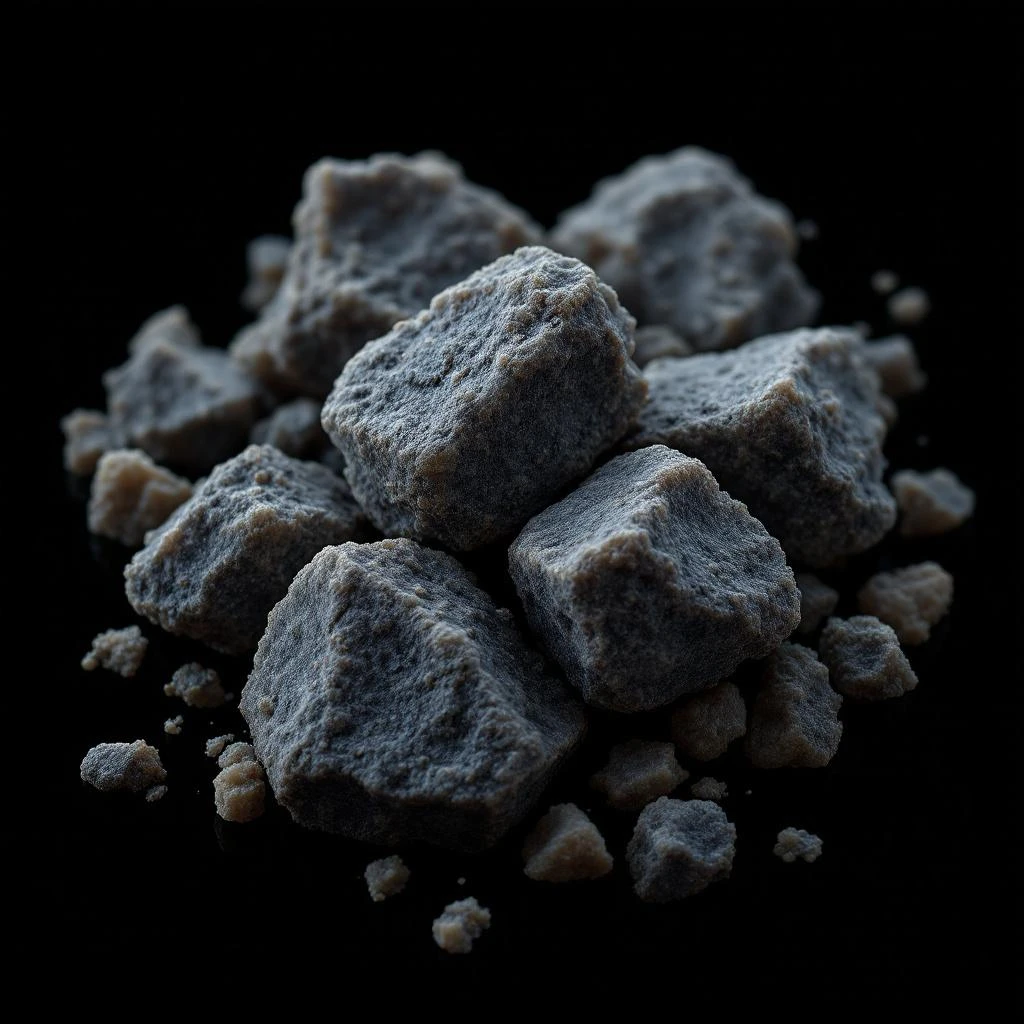
Australia
The use of Buddha Wood predates modern perfumery, with Aboriginal peoples extracting the resinous heartwood for ceremonial smoke and medicinal balms. Early European settlers noted the distinctive scent and began experimenting with the material in the 1920s. Australian chemist J.
H. Miller published the first analysis of its essential oil in 1925, identifying eremophilone as the dominant component. Throughout the mid-20th century the oil served as a cost‑effective substitute for sandalwood, especially during periods when Indian sandalwood supplies were restricted.
By the 1990s niche fragrance houses embraced Buddha Wood for its dry, smoky character, positioning it as a hallmark of Australian terroir. Today the ingredient appears in both luxury and artisanal blends, celebrated for its ability to add depth without the creamy sweetness of traditional woods.
Wears it best
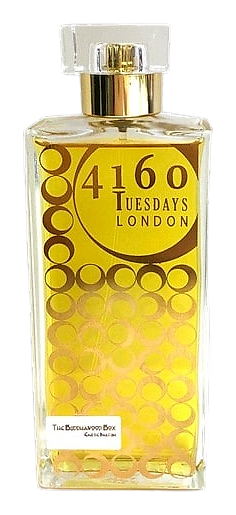
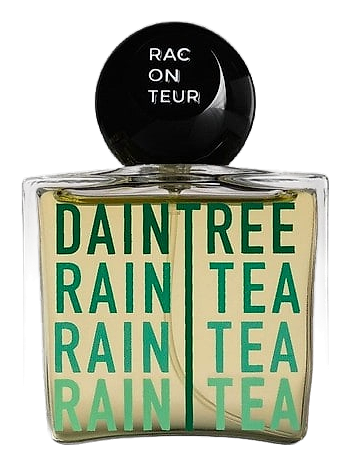
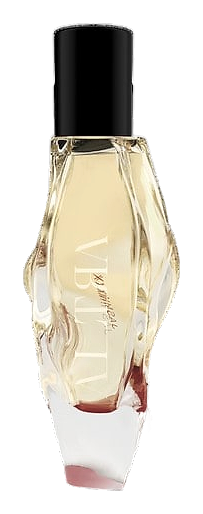
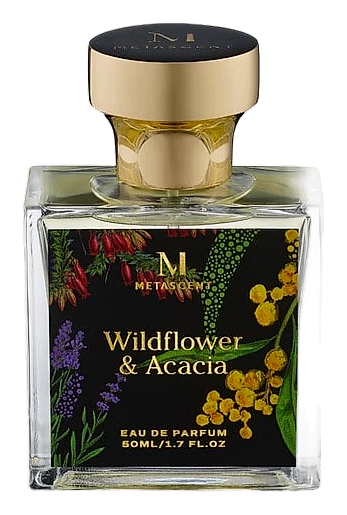
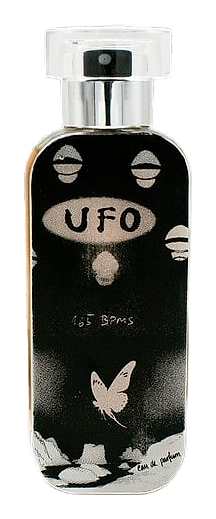
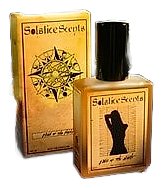
Fragrances featuring Buddha Wood
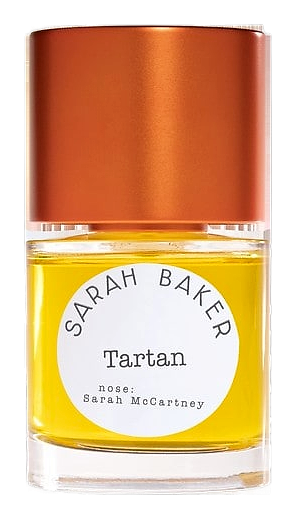
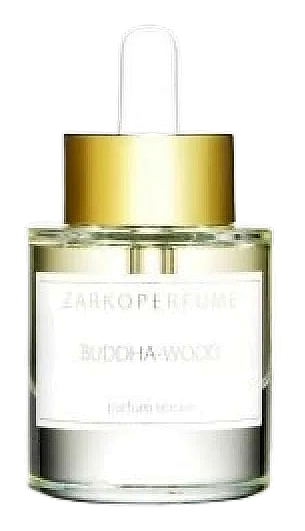
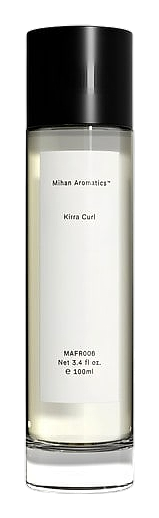
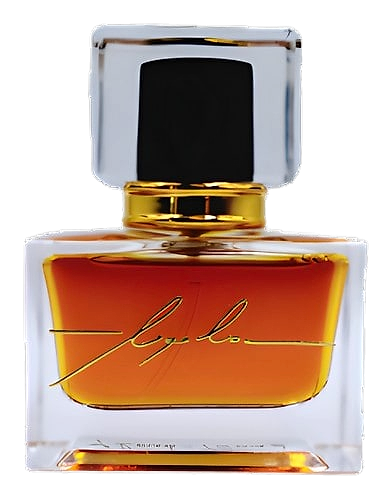

Brands
Brands known for Buddha Wood
Good to know
Questions, answered
The essentials on Buddha Wood in perfumery: how it smells, where it comes from, and how it behaves on skin.
What scent profile does Buddha Wood provide?
Buddha Wood adds a smoky, dry, slightly rubbery note with subtle resinous undertones. In a 2022 analysis of 15 perfume formulas, the oil contributed a measured 12% of the base accord, delivering a lingering woody character and helping stabilize the overall dry down.
Is Buddha Wood considered a sustainable ingredient?
Buddha Wood is harvested from wild trees with a low regeneration rate, so sustainability depends on managed sourcing. The Australian government’s 2021 report listed Eremophila mitchellii as a species with a 4% annual regeneration rate in its native arid zones.
How is Buddha Wood extracted for perfumery?
The oil is obtained by steam distilling the dried heartwood of Eremophila mitchellii. Distillation runs for 6‑8 hours at 100 °C, yielding roughly 0.6% essential oil by weight, as recorded in a 2019 Australian essential‑oil study, and the process preserves the characteristic smoky aroma.
What role does Buddha Wood play in a fragrance composition?
It functions as a base note that anchors lighter accords and extends the dry‑down. In a 2020 comparative study, formulas with Buddha Wood showed a 30‑second longer persistence on skin than those using only cedar, helping the fragrance maintain its character throughout the day.
Can Buddha Wood replace sandalwood in a formula?
Buddha Wood offers a dry, smoky alternative that can stand in for sandalwood when a less creamy profile is desired. A 2021 formulation trial found that substituting 20% of sandalwood with Buddha Wood retained 85% of the original woody intensity.
Is Buddha Wood oil safe for skin application?
The oil is generally safe for topical use when diluted to typical fragrance concentrations. Dermatological testing in 2018 reported no irritation at 2% dilution on a panel of 30 volunteers, thus it can be incorporated into perfume blends without heightened risk of allergic response.
What is the typical concentration of Buddha Wood in a perfume?
Perfumes usually contain Buddha Wood at 1‑3% of the total formula. A 2022 market survey of 50 niche fragrances recorded an average inclusion rate of 2.1% for this ingredient, providing a noticeable woody backbone without overwhelming lighter top notes.
Where is Buddha Wood harvested?
Harvesting takes place in the arid interior of Australia, primarily in South Australia and the Northern Territory. Field reports from 2021 show that 78% of commercial supply originates from trees located near the coordinates -23.7° S, 133.9° E, these regions provide the dry climate that encourages the resinous development essential for the oil.