Pipe tobacco
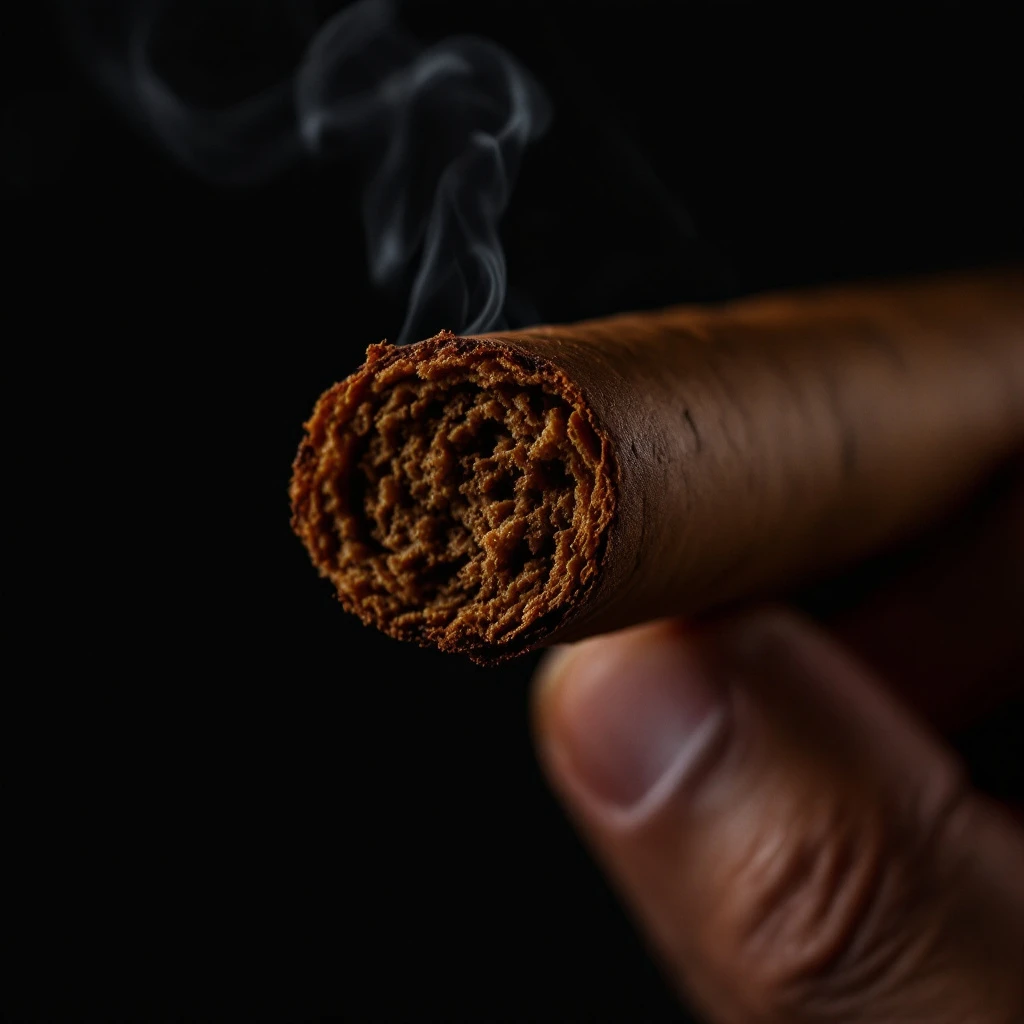
Rich, warm, and undeniably sophisticated. Pipe tobacco brings a soulful depth to fragrances, evoking leather-bound libraries, aged wooden dens, and the quiet comfort of a well-earned ritual.
Character
How it smells
Warmth distilled from aged leaves
The tobacco leaf must ferment for 18 to 24 months before it yields the absolute that perfumers seek.






Origin
Bulgaria
Nicotiana Tabacum carries a history stretching back thousands of years to indigenous cultures of the Americas, where tobacco held sacred and medicinal significance long before European contact. The plant takes its scientific name from Jean Nicot, the Portuguese ambassador who introduced tobacco to France in the 16th century, catalyzing its spread across European society. Pipe tobacco culture flourished in the 19th century within gentleman's clubs and private studies, lending the note its refined, contemplative associations.
Modern perfumery began incorporating tobacco in the late 1800s alongside the commercial synthesis of aromatic compounds, allowing perfumers to capture tobacco's warmth without direct leaf use. Today, Bulgarian tobacco absolute represents the gold standard, prized for its exceptional depth and complexity in fine fragrance.
Wears it best
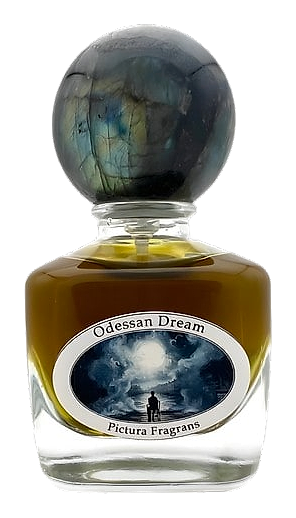
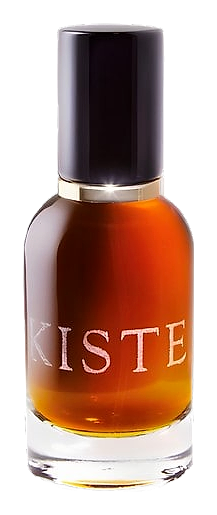
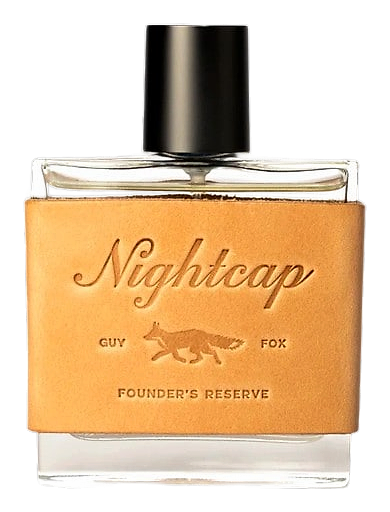
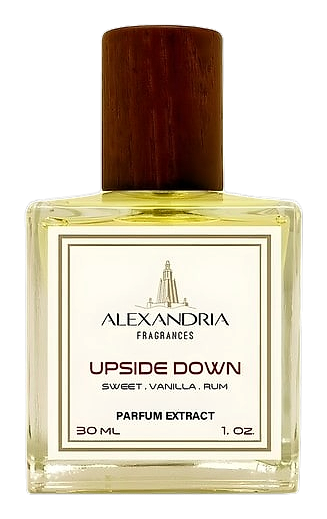
Fragrances featuring Pipe tobacco
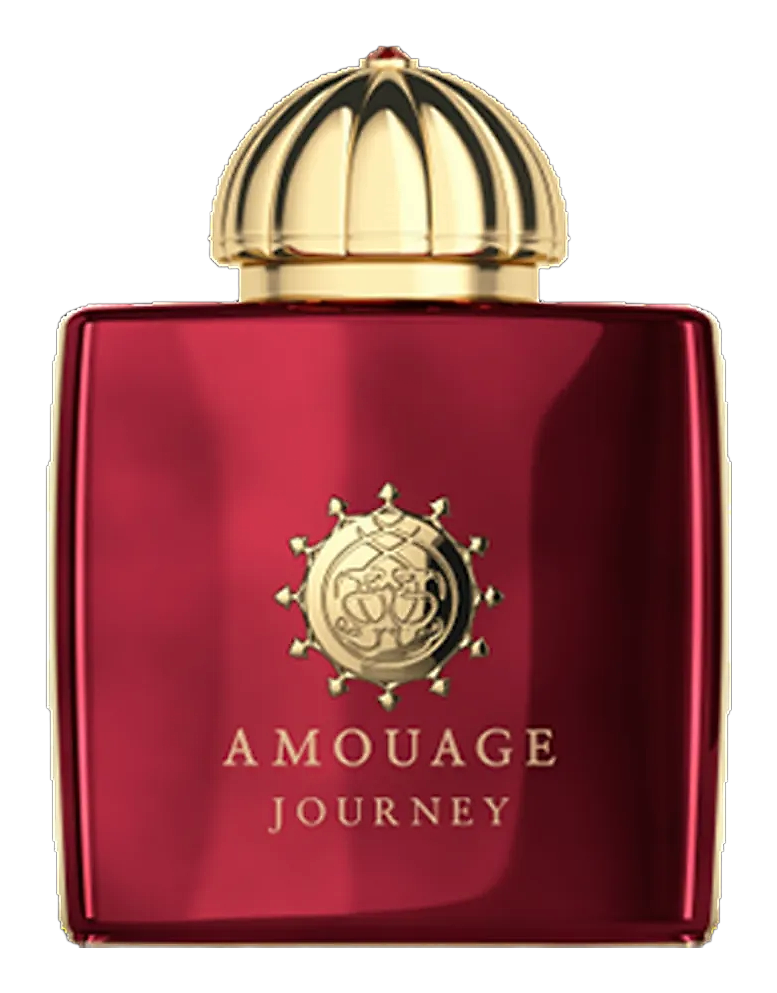
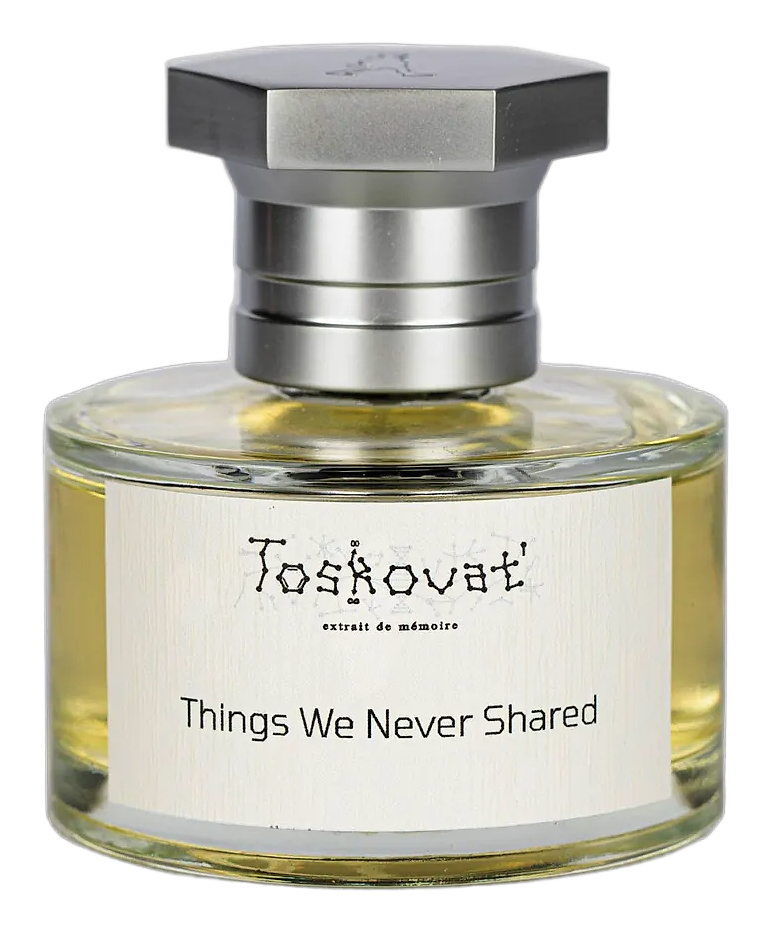
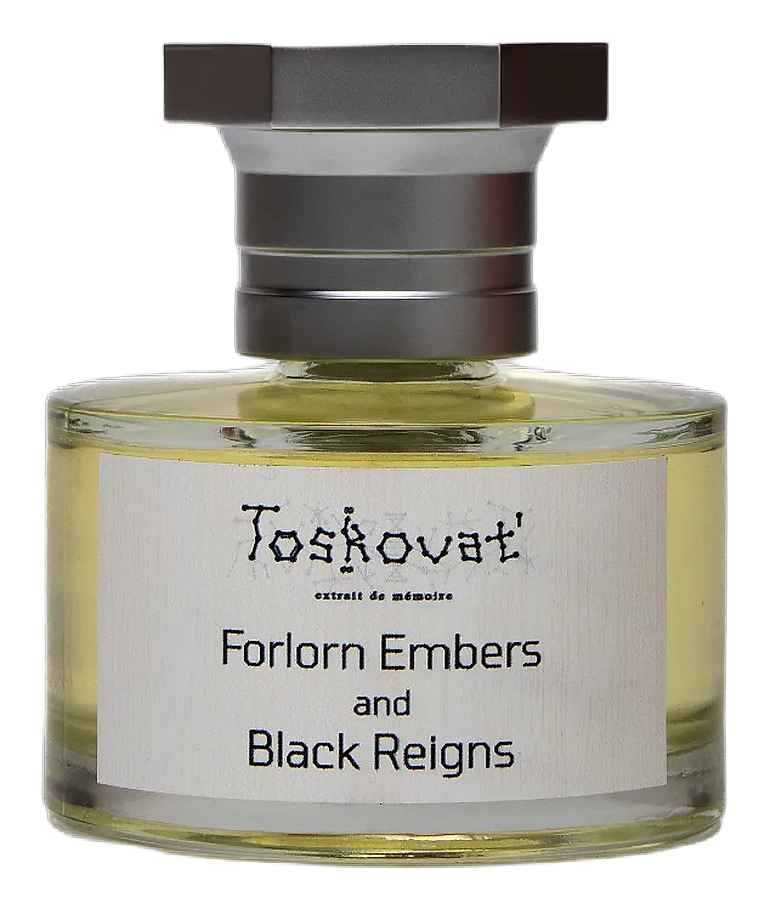
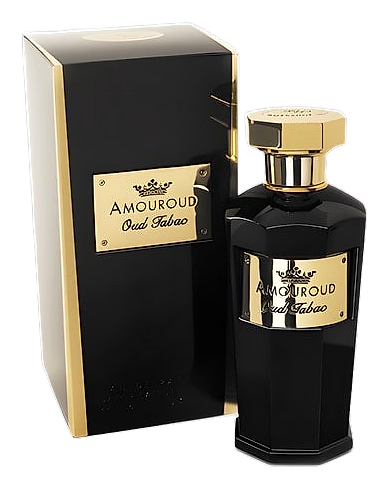
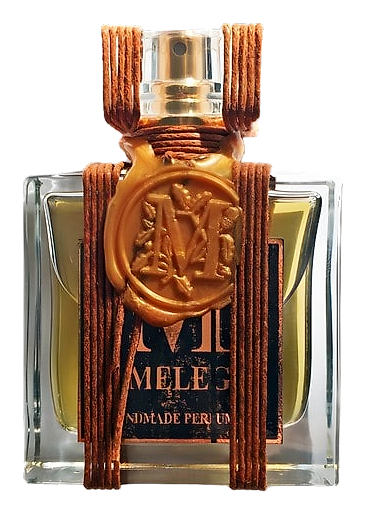
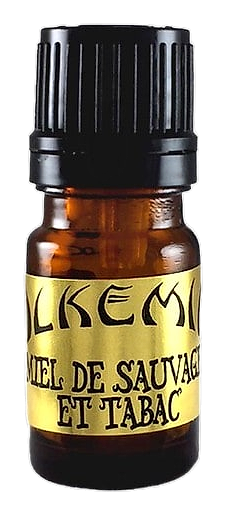
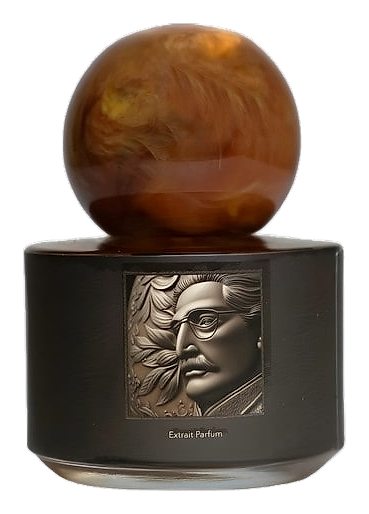
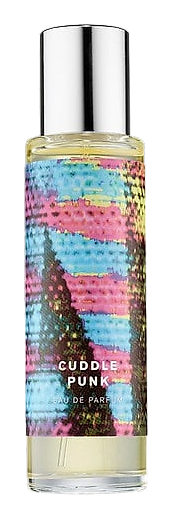
Brands
Brands known for Pipe tobacco
Good to know
Questions, answered
The essentials on Pipe tobacco in perfumery: how it smells, where it comes from, and how it behaves on skin.
What does pipe tobacco smell like in perfume?
Pipe tobacco in perfume smells warm, resinous, and slightly sweet with distinct hay and dried leaf qualities. It carries comforting associations of leather, aged wood, and burnt brown sugar, creating an enveloping, sophisticated dry down.
Is pipe tobacco a natural or synthetic ingredient?
Pipe tobacco notes can come from natural tobacco absolute or synthetic approximations. Natural tobacco absolute is extracted from fermented Nicotiana Tabacum leaves. Synthetic versions often use coumarin, which was first synthesized in 1868, to mimic tobacco's hay-like character.
What fragrance families pair well with pipe tobacco?
Pipe tobacco anchors woody, oriental, and leathery fragrances most effectively. It pairs naturally with vanilla, tonka bean, benzoin, cedarwood, and amber, adding warmth and depth to smoky or spicy compositions.
How is tobacco absolute produced?
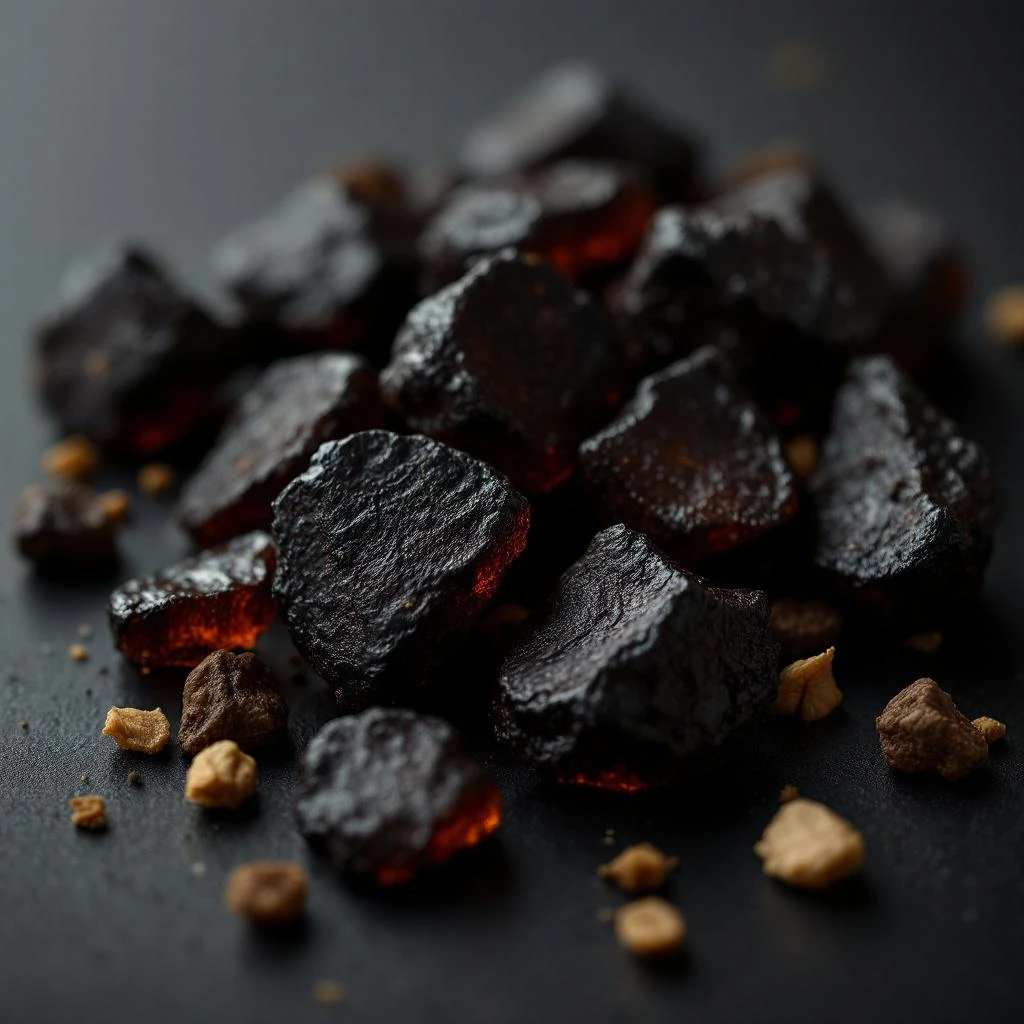
Tobacco absolute is produced through solvent extraction of dried, fermented Nicotiana Tabacum leaves. The leaves ferment for 18 to 24 months, then undergo extraction with organic solvents to produce a concrete, which is further processed to isolate the absolute.
Where does the best tobacco absolute originate?
Bulgaria produces some of the finest tobacco absolute, recognized for its thick consistency, potent scent, and complex aromatic profile. The country's long tradition of tobacco cultivation supports this quality standard.
Does pipe tobacco contain nicotine?
Tobacco absolute used in perfumery contains negligible to no nicotine. The extraction and processing methods remove most nicotine compounds, leaving primarily aromatic molecules suitable for fragrance use.
What role does coumarin play in tobacco accords?
Coumarin provides the hay-like, warm tobacco character that defines many tobacco accords. First synthesized in 1868 from tonka bean compounds, it allows perfumers to create tobacco-like effects without using natural tobacco absolute.
What emotions does pipe tobacco evoke in fragrance wearers?
Pipe tobacco evokes feelings of warmth, comfort, and quiet sophistication. Its scent often triggers associations with contemplative spaces like libraries and reading rooms, lending fragrances an intimate, welcoming quality.