

The Story
Why it exists.
The beginning
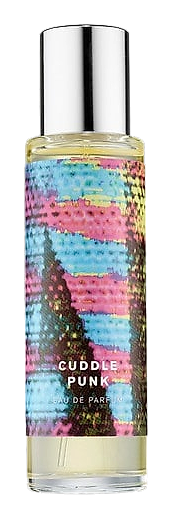
Cuddle Punk arrived in 2014, crafted by perfumer David Apel. The combination of apricot, pipe tobacco, and vanilla sounds like it could tip into novelty or cloying sweetness, the kind of idea that reads well on paper but can fall apart on skin. Apel found a way to balance those elements into something cohesive. The apricot offers a soft, sun-ripened quality that provides an accessible entry point before the composition deepens into something more complex.
What makes Cuddle Punk unusual isn't any single ingredient, tobacco and vanilla are well-worn territory, it's the ratio and the sequencing. The apricot and coconut in the top aren't shy. They arrive bright and fruity, holding the stage long enough for you to settle in before the tobacco shifts the whole mood. The jasmine and mimosa then do something unexpected: they soften the tobacco's edge without neutralizing it, keeping the warmth grounded in something floral rather than heavy. The base is where most fragrances earn their keep, and here, vanilla and patchouli carry the drydown with a powdery warmth that stays close, not projecting so much as inviting.
The evolution
The opening announces apricot's brightness alongside cypress's dry green undertone, fruity but not juvenile. The coconut fades faster than expected, which is a kindness; it's there to soften the apricot's edges, not to linger. The pipe tobacco enters quietly, not the campfire kind, this is warmer, almost sweet itself, held up by jasmine and mimosa in a middle that feels composed rather than smoky. The vanilla arrives to wrap the tobacco in something powdery and close. Eventually the apricot recedes and the tobacco settles, and what's left is a skin-close warmth that people keep noticing, not because it's loud, but because it seems to come from you.
Cultural impact
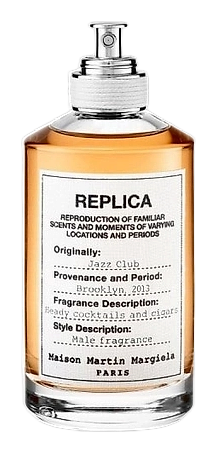
Cuddle Punk occupies a space outside the mainstream tobacco category, not a smoky statement, but something warmer and more nuanced. Comparisons to Jazz Club suggest a similar mood, though Cuddle Punk's apricot opening keeps it brighter. It sits in a specific sweet spot: attractive enough to draw attention, dry enough to keep it. The fragrance occupies that rare position where it feels both inviting and composed, the kind of scent that announces itself without shouting.
The House
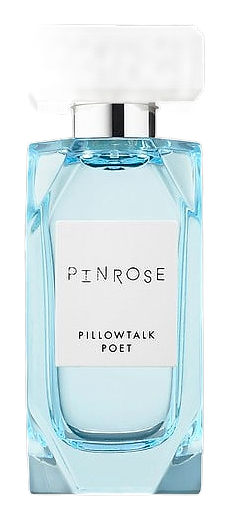
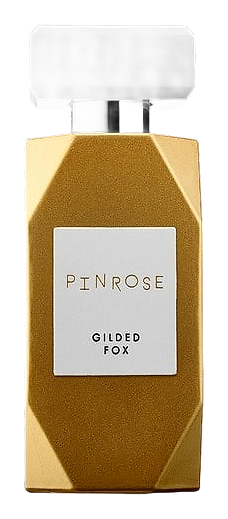
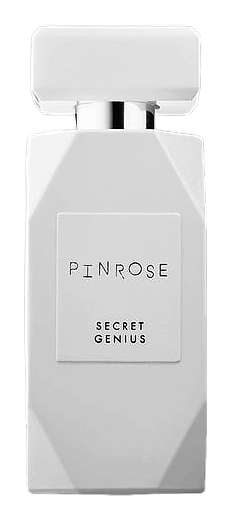
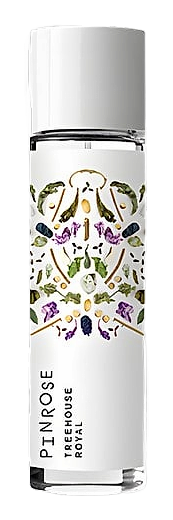
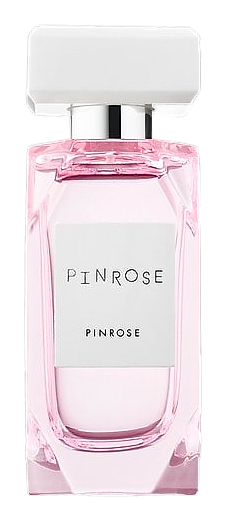
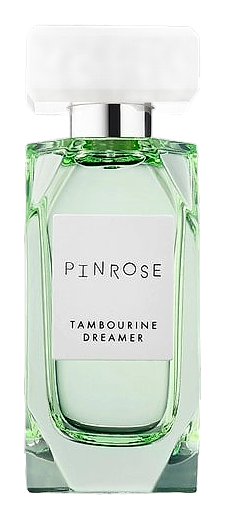
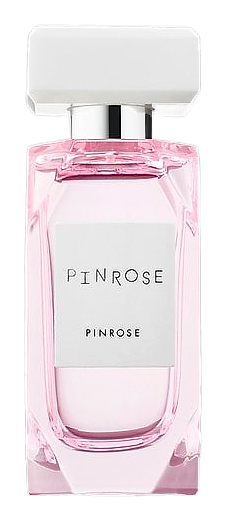
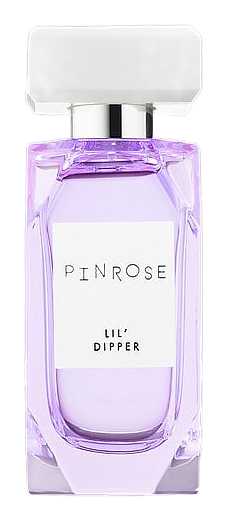
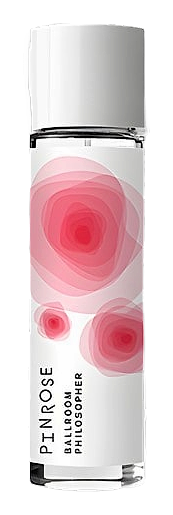
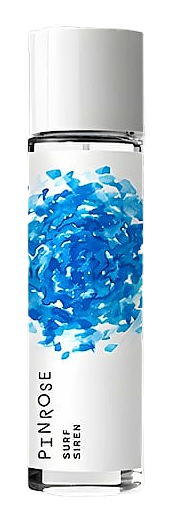
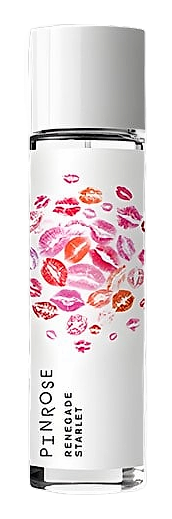
PinrosePinrose is a San Francisco-based fragrance company founded by Stanford graduates Erika Shumate and Christine Luby. The brand built its identity around algorithmic fragrance matching, using a digital quiz to help customers discover scents tailored to their preferences. The approach centers on synesthesia, connecting scent with other sensory associations like color and emotion. Pinrose launched with a collection of signature fragrances in 2014 and has continued releasing new scents while maintaining its personalized discovery model. The company occupies a distinctive position in the indie fragrance space by combining technology with olfactory curation.
The Creator
David ApelApel's style draws from over four decades of experience across the industry's most respected houses. His background in chromatography gave him an exceptional understanding of raw materials and their behavior in formulation.