The Story
Why it exists.
The beginning
The word 'Agrani' means a leader, a pioneer, a founder. In Sanskrit, it signifies success. This fragrance was built to embody that life stage, the moment when strength becomes a quiet gravity rather than a loud claim. Perfumer Ashek Zubayer composed the scent around oud, layering it with castoreum and chocolate to create something that feels earned rather than announced. Agrani set the tone: bold, intimate, unapologetically dense. The opening unfolds with a warm cherry-almond sweetness that feels almost edible at first, like maraschino syrup mixed with crushed roasted nuts. Within minutes, the sweetness begins to deepen, pulling in darker, more resinous qualities as the oud emerges from beneath.
The tension in Agrani lives in its contrasts. Sweet and animalic. Smoky and warm. The cherry-almond opening gives way to leather and pipe tobacco, but neither phase pretends to be polite about it. Castoreum and chocolate then deepen the base into something that reads as both natural and slightly feral. The drydown lingers close to the skin for hours after application, revealing new facets as it evolves.
The evolution
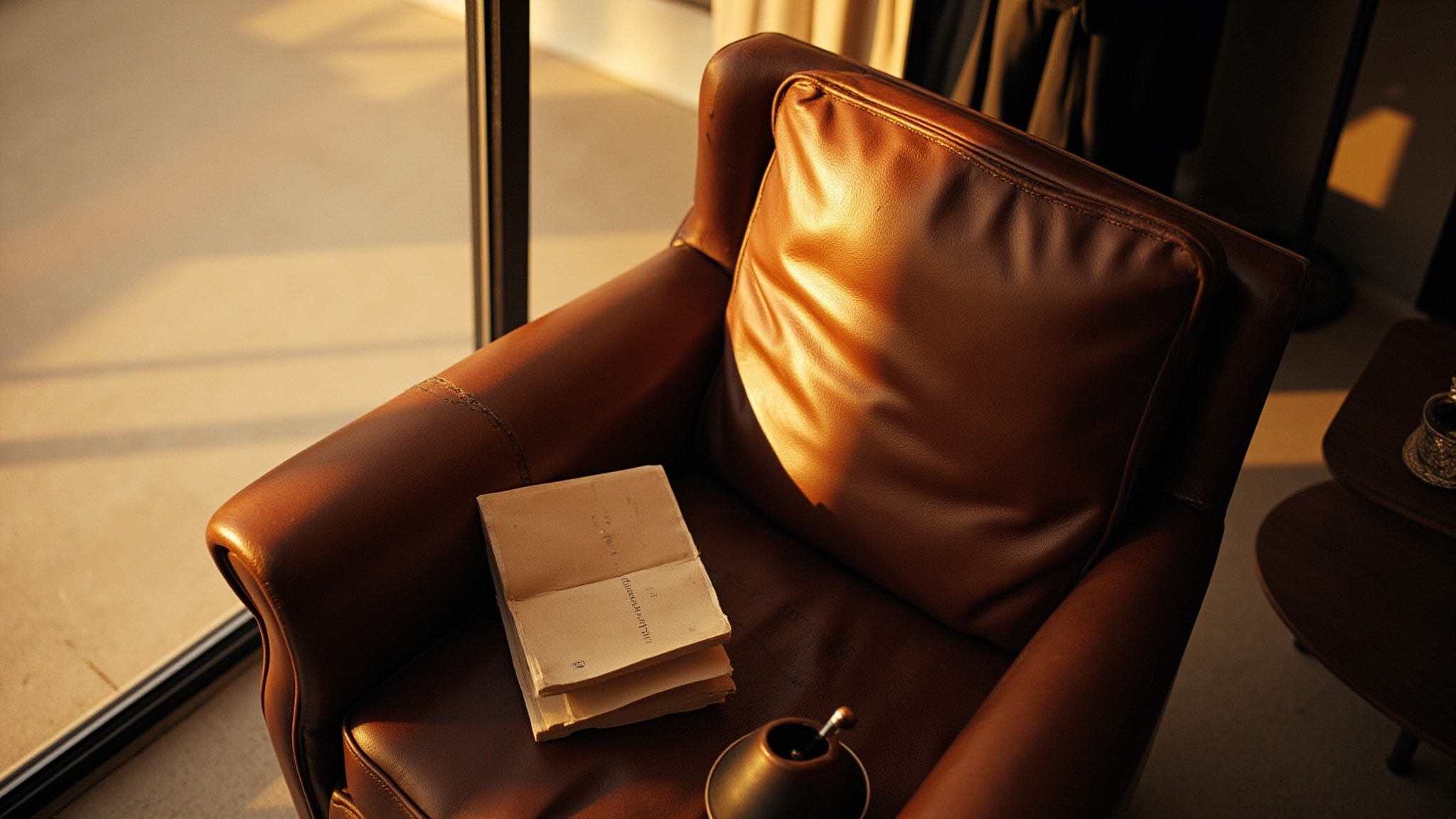
The opening burst hits immediately, cherry and almond give way to saffron's warm spice, almost edible in its precision. Thirty minutes in, the leather and pipe tobacco emerge, smoky and intimate, like worn leather in a private room. The drydown is where Burmese oud and castoreum take over. Dark. Resinous. Close to the skin rather than announcing itself across a room. The chocolate and amber settle underneath, giving the castoreum something sweet to lean against. Eight to ten hours on most skin types. The next morning, a faint trace of oud and musk remains, the kind of skin-warmth that makes you reach for the bottle again.
Cultural impact
Agrani arrived at a moment when niche perfumery was consolidating around a handful of established Western houses. The brand brought a distinctly different sensibility to the category, one less tethered to French perfumery traditions and more willing to foreground raw materials without apology. Rather than building compositions around familiar accords or trend-driven interpretations, Byermia chose ingredients for their inherent character and the way they interact when layered together. This approach to fragrance construction feels more personal, more tied to the specific qualities of individual materials than to broader market preferences.