Burmese oud
Burmese oud is a highly prized aromatic resin harvested from infected Aquilaria trees native to Myanmar's forests, prized for its deep, complex scent profile with smoky, sweet, and balsamic notes.
Character
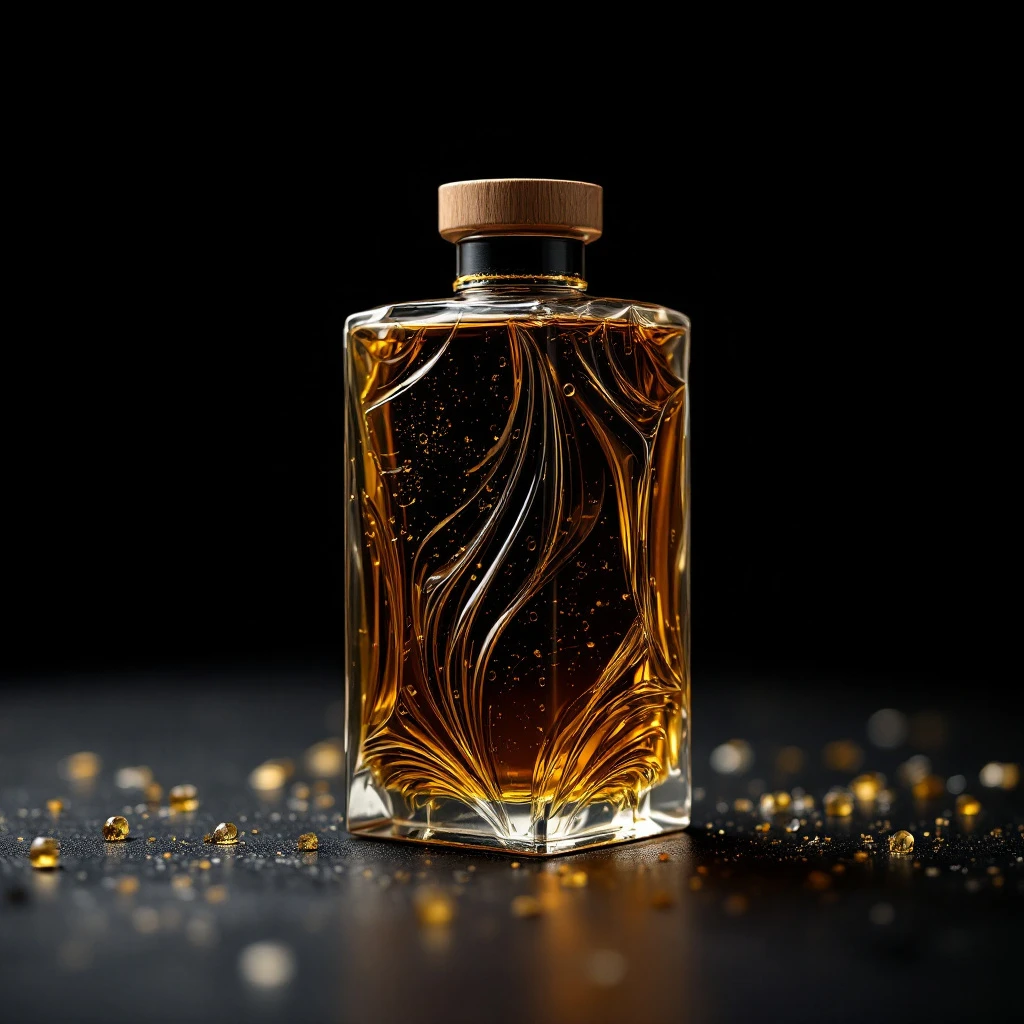
How it smells
Southeast Asia's most coveted aromatic resin from ancient forests.
Only 1 in 50 Aquilaria trees naturally produces the resin needed for oud, making each harvest a rare find.







Origin
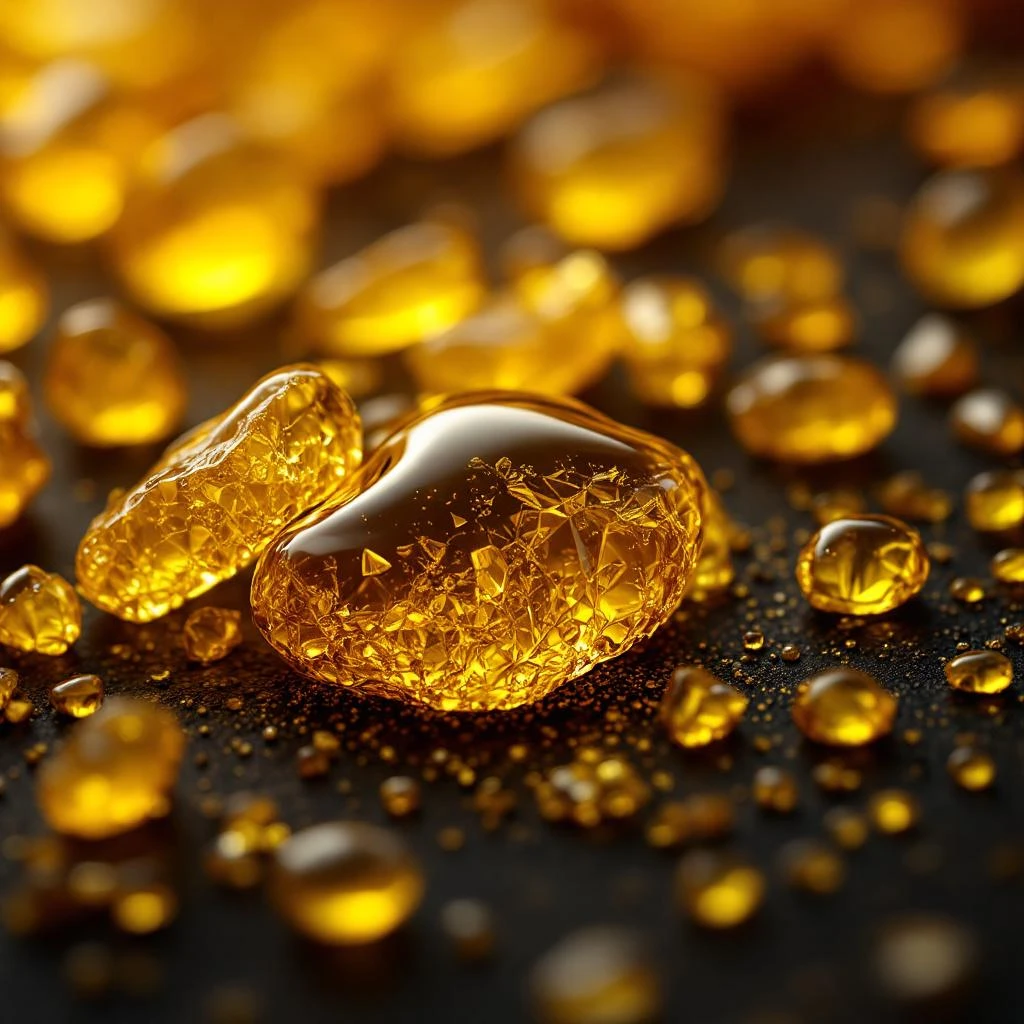
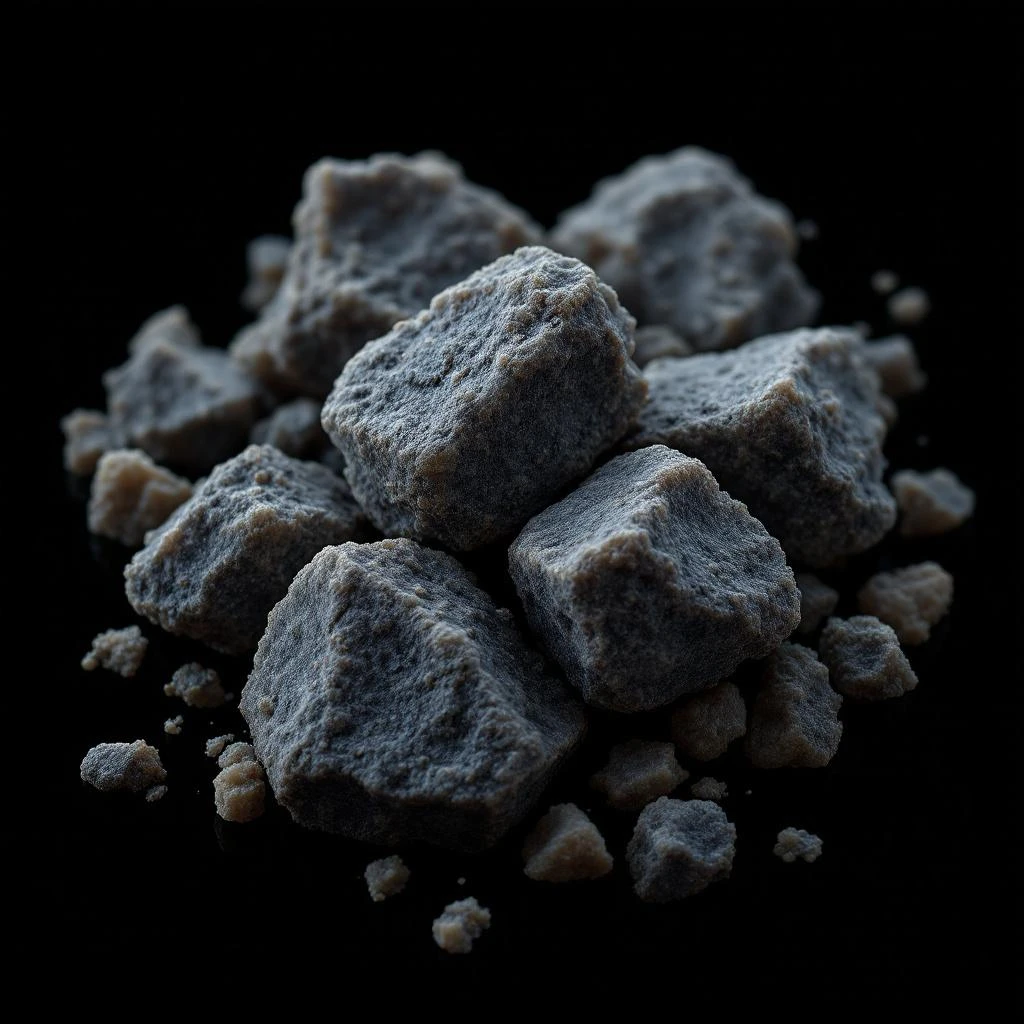
Myanmar
Buddhist monks in Myanmar first documented oud's use over 2,000 years ago, burning agarwood chips during meditation ceremonies for its grounding properties. Royal courts throughout Burmese history reserved oud for religious offerings and ceremonial purposes, believing the scent carried spiritual significance.
The ancient Pyu and Pagan kingdoms traded Burmese oud along the Silk Road, establishing Myanmar as a premier source of this precious commodity. When British colonial rule ended in 1948, local harvesting practices continued largely unchanged, preserving traditional extraction knowledge passed through generations.
Today, Myanmar remains one of the most significant producers of premium oud, with specific regions like Shan State and Kachin State producing oils prized for their depth and longevity. The ingredient has moved from temple rituals to global perfumery, yet Burmese oud retains its reputation for unmatched complexity among fragrance enthusiasts worldwide.
Wears it best
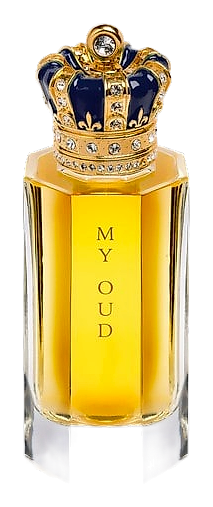
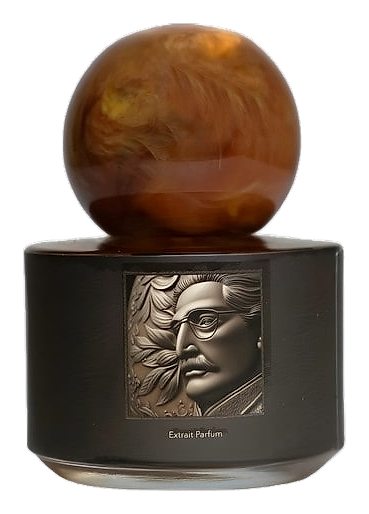
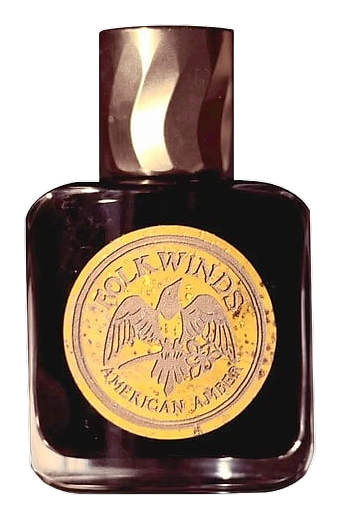
Fragrances featuring Burmese oud
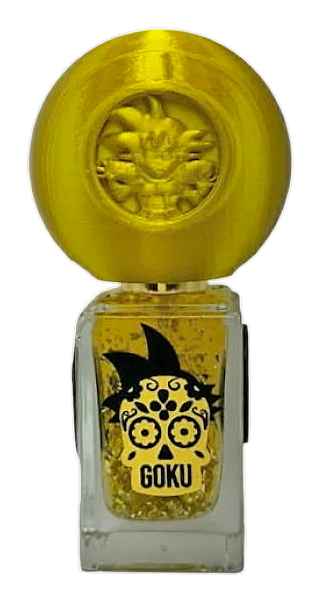
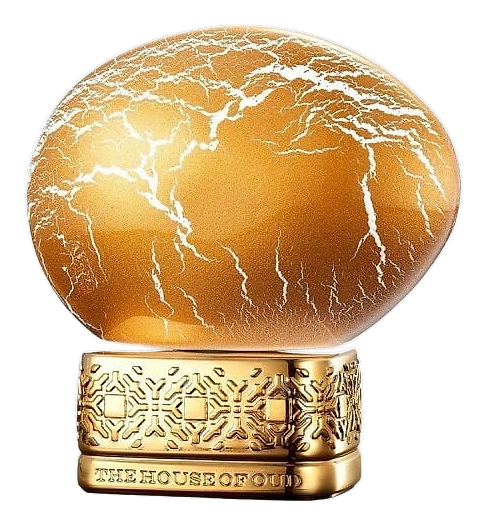
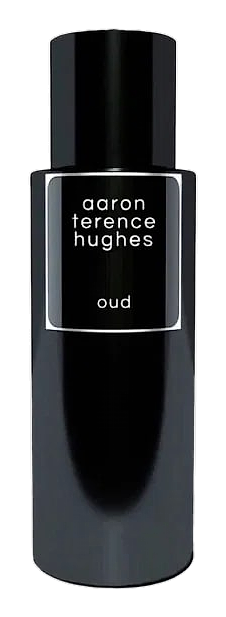
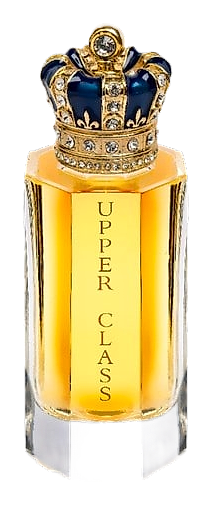
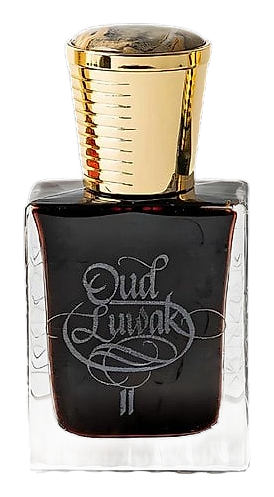
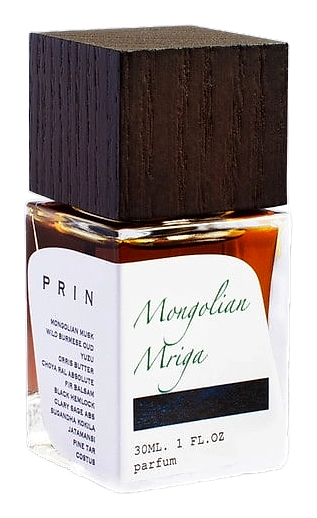
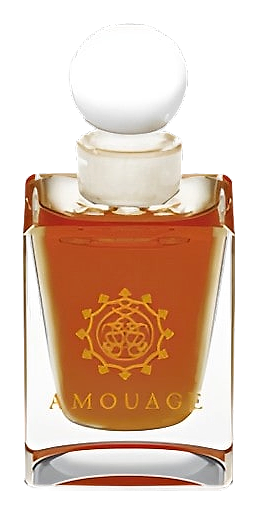
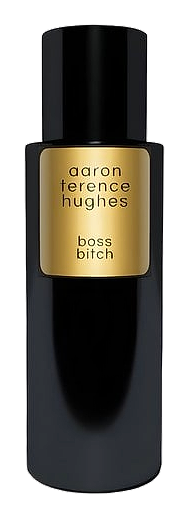
Brands
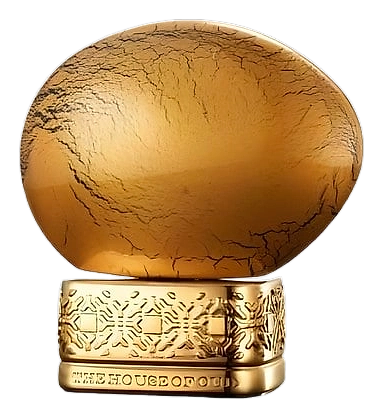
Brands known for Burmese oud
Good to know
Questions, answered
The essentials on Burmese oud in perfumery: how it smells, where it comes from, and how it behaves on skin.
What makes Burmese oud different from oud from other regions?
Burmese oud tends to have a sweeter, more complex profile with less fecal notes than some Southeast Asian varieties. The monsoon climate and forest conditions create distinct aromatic compounds that perfume makers value for their versatility.
How rare is authentic Burmese oud?
Natural Burmese oud accounts for roughly 10% of the global oud market. The majority of Aquilaria trees never become infected, and of those that do, only specific portions of the heartwood yield usable resin.
What aromas does Burmese oud contain?
Burmese oud typically opens with warm balsamic sweetness, settling into smoky, leathery heart notes, with a long-lasting fecal undertone characteristic of fine oud.
Is Burmese oud sustainably harvested?
Myanmar faces challenges with illegal harvesting of Aquilaria trees, which face CITES protection. Ethical sourcing requires verification of sustainable cultivation practices and permits.
How long does Burmese oud take to form?
The resin formation process takes 20 to 50 years minimum. Trees must develop deep enough infections to saturate the heartwood with aromatic compounds before harvesting becomes viable.
Can Burmese oud be synthetic?
Synthetic oud alternatives exist, but they lack the molecular complexity of natural Burmese oud. Natural oil contains over 150 aromatic compounds that synthetic versions cannot fully replicate.
How is Burmese oud graded?
Grading focuses on aroma complexity, resin concentration, and wood quality. The best grades come from the deepest heartwood sections with the highest resin saturation, commanding significantly higher prices.
What fragrances feature Burmese oud?
Premium niche houses like Amouage, Xerjoff, and Oman's Royal Specialty Perfumery frequently highlight Burmese oud as a central-note statement ingredient in their high-end creations.