The Story
Why it exists.
The beginning
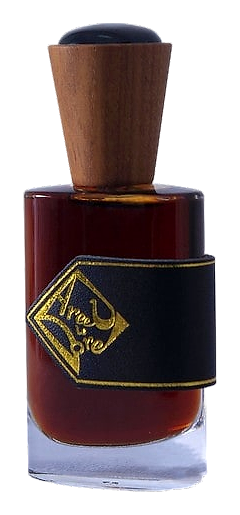
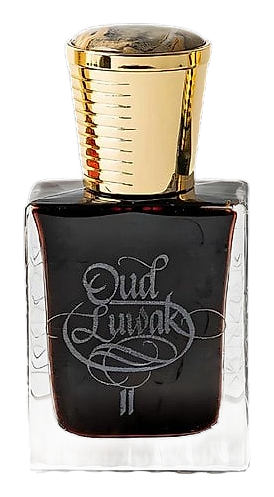
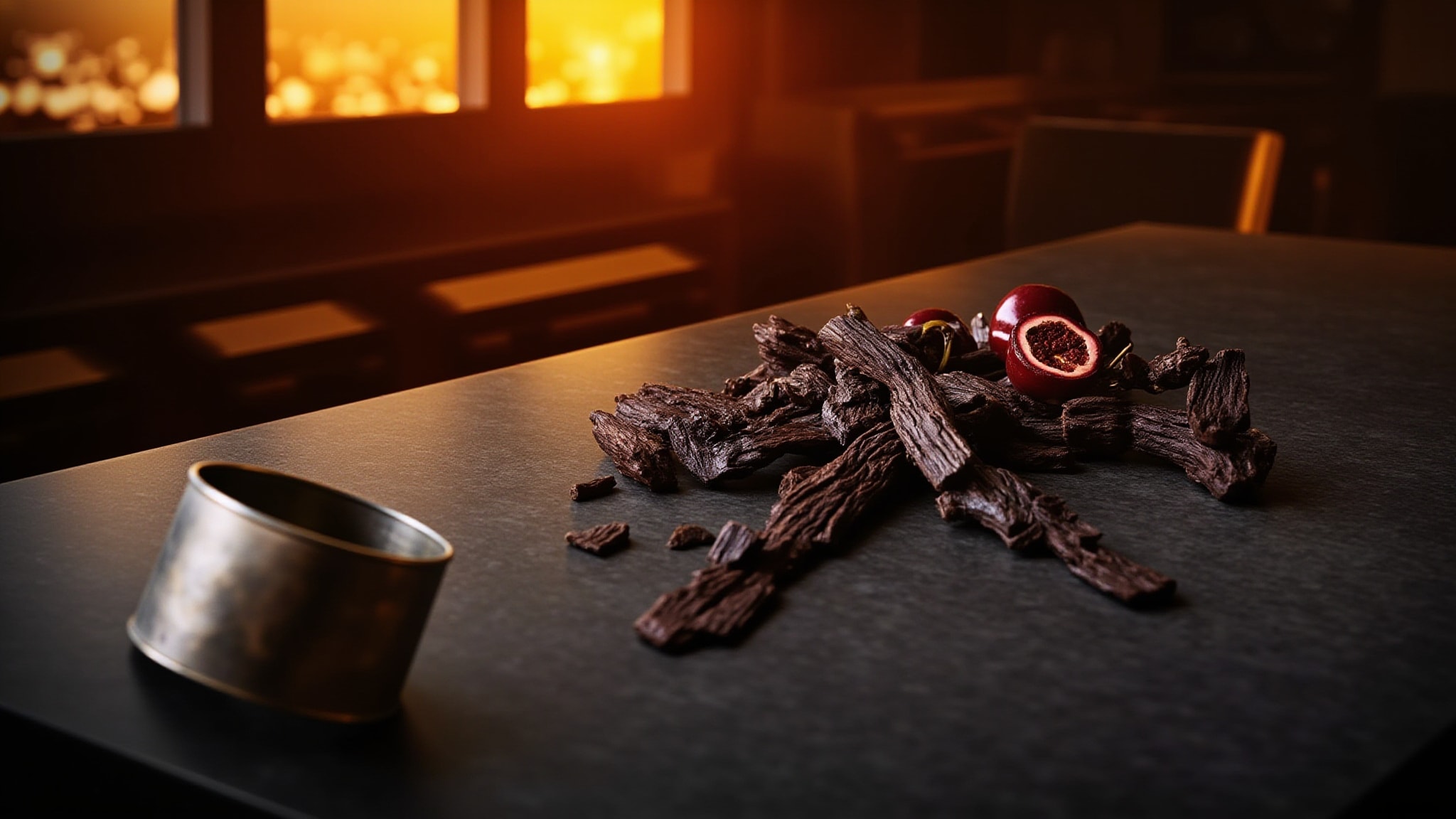
Oud Luwak II takes its name from the civet cat, the animal behind kopi luwak, the world's most controversial coffee. The fragrance draws inspiration from the civet, and the combination of wild oud and civet creates something primal and opulent, not unpleasant. The coffee adds another layer of primal earthiness, fermented in teak barrels, it brings the same fermentation energy that makes kopi luwak itself so unusual. On the skin, the opening is bold and immediate, the animalic richness asserting itself alongside the deep, resinous quality of the oud. As the fragrance develops, the coffee note deepens, becoming almost roasted, while the civet threads through the composition with a living warmth that never softens.
What makes Oud Luwak II distinctive is its refusal to soften. The civet note, animalic, feral, alive, anchors the composition in something real. The fragrance doesn't try to make it polite. The coffee opening is roasted and bitter, cutting through the oud's medicinal intensity. The teak barrel fermentation adds a dimension: the smell of something transformed by time and process. As the fragrance evolves, the initial sharpness of the coffee softens, allowing the oud to reveal its deeper, more complex facets while the civet maintains its presence throughout.
The evolution
The opening doesn't wait. Burmese oud and Sumatran coffee announce themselves immediately, the coffee offering a bitter, roasted counterpoint to the oud's medicinal intensity. This is an intense start. Not aggressive, but present. The civet arrives as the heart develops, weaving through labdanum, cinnamon leaf, tonka bean, and spikenard. Here the civet is the tell, the note that grounds everything in something animalic and alive. It doesn't disappear as the drydown approaches. It deepens. Settles into the composition like a secret made visible. The coffee fades, the spices rise, and what remains is warm, resinous, and commanding. Hours later, the base arrives: benzoin, cedarwood, Indonesian vetiver absolute, and Indian oud. The final chapter is woody, balsamic, and intimate, the kind of scent that stays close to the skin, barely announcing itself while it lingers.
Cultural impact
Oud Luwak II speaks to a specific sensibility: the collector who's grown tired of safe, approachable fragrances that smell expensive but never smell interesting. The civet note divides opinion, and that seems intentional. For those who connect with it, the depth and complexity become compelling. For those who don't, it remains a fascinating experiment in primal oud perfumery. Either way, it refuses to be ignored. The fragrance succeeds in creating something that demands attention, whether you find it captivating or challenging, because it offers an experience that goes beyond surface appeal into something more raw and immediate.