
The Story
Why it exists.
The beginning
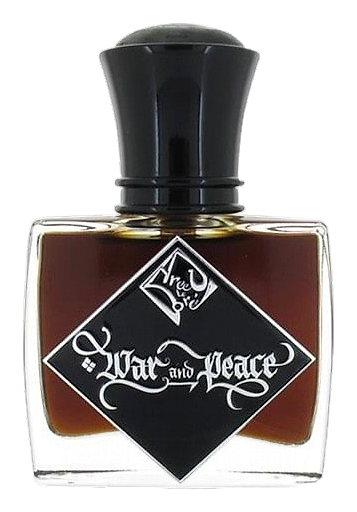
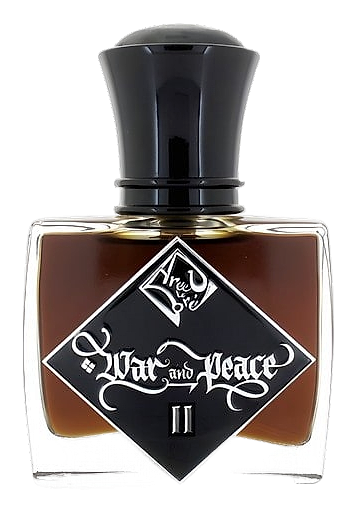
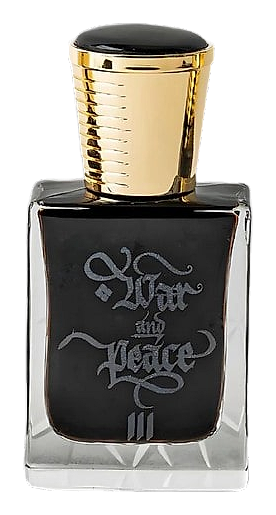
The name is the brief. Russian Adam built War and Peace III around duality, the idea that a fragrance could hold both without choosing. The fossilised amber opens like a door left ajar in an old building, letting something ancient breathe in. The animalics aren't decoration here; they're the foundation. Rose doesn't soften the composition, it complicates it. Oakmoss and vetiver settle underneath like old wood, the kind that's been through weather and survived. This is attar as meditation, not marketing. The brand was founded in 2017 with a clear position: ancient oud and sandalwood are sacred, not luxury accessories. War and Peace III is the third chapter of that argument, and it's not interested in winning converts. It's for someone who's done chasing trends and wants something that actually weighs something.
The co-absolute of wild Siberian deer musk, ambergris, vintage civet, and castoreum is the engine here. Each material carries its own history, the musk from Siberian deer, the ambergris collected from ocean shores, the civet and castoreum with their centuries of use in perfumery. Indonesian patchouli adds earthy depth while orris root bridges the gap between the animalic foundation and the floral heart with its powdery, violet-like presence. White rose and Taif rose layer in a way that feels more geological than floral, the roses of old gardens, not perfume counters. The structure isn't a linear pyramid but something more like a dialogue between materials, each one asserting itself before yielding to the next.
The evolution
The first hour belongs to the fossilised amber, resinous, deep, with an almost mineral quality that suggests something excavated rather than distilled. The animalics are present from the start but waiting. Civilized. The rose begins its work quietly, not announcing itself but building presence through the middle notes. By hour two, the civet has become more apparent, adding a warmth that counters the initial coolness of the amber. The Indonesian patchouli grounds everything, preventing it from becoming abstract. Around hour three, the drydown begins in earnest. Indian oud surfaces slowly, revealing its complexity in layers. The Siberian deer musk absolute integrates with the ambergris to create something that feels both ancient and immediate, not vintage, but timeless. Oakmoss and vetiver add an earthy depth that keeps the fragrance grounded even as it evolves. By hour six, the composition has settled into something that smells like memory, like something worn into the skin rather than applied to it.
Cultural impact
For the serious collector. War and Peace III speaks to someone who's done with fragrance as status symbol. It's attar for people who find modern perfumery's packaging culture hollow, the wearer who comes to the raw essence, not the campaign. This joins a lineage of Areej Le Doré releases that position themselves as anti-trend, as genuine rather than marketed. The brand's refusal to participate in packaging culture or campaign aesthetics makes each release feel like a secret shared rather than a product launched.