Sumatran Coffee
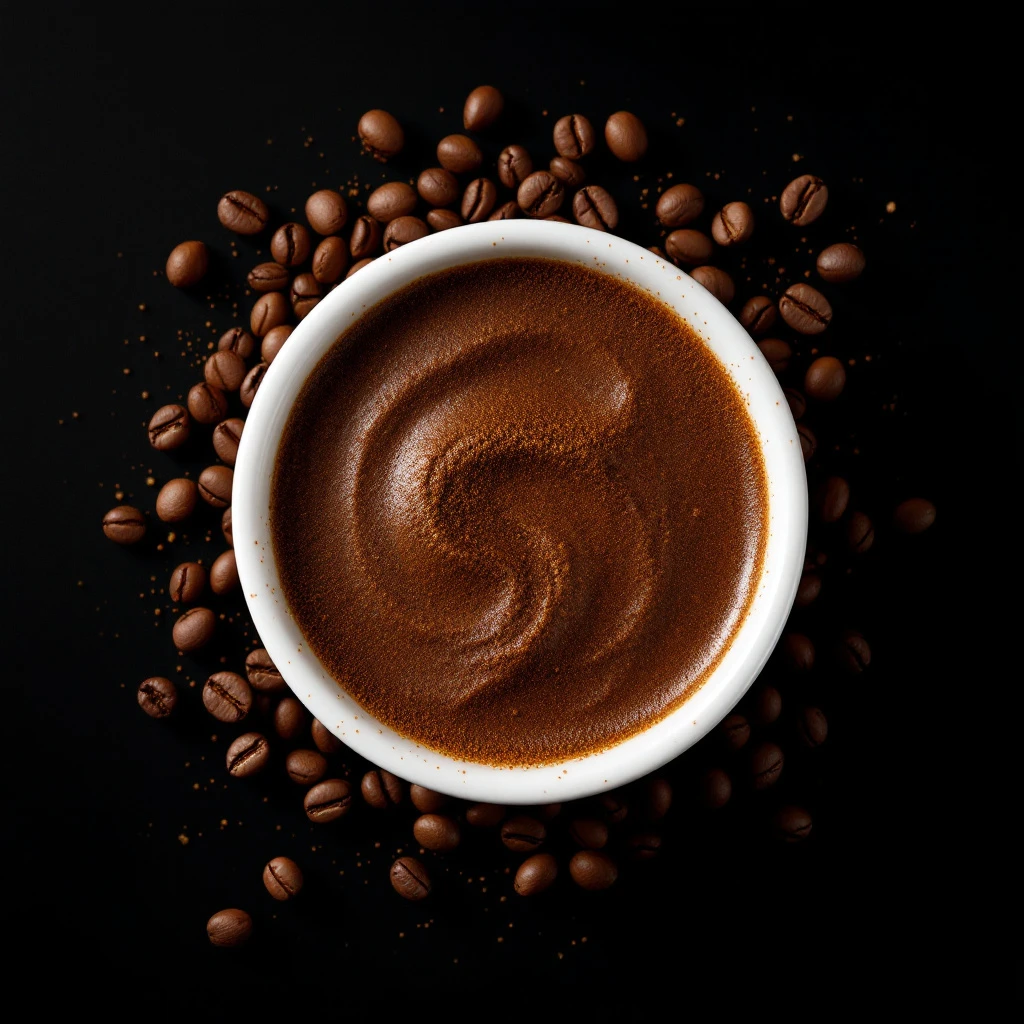
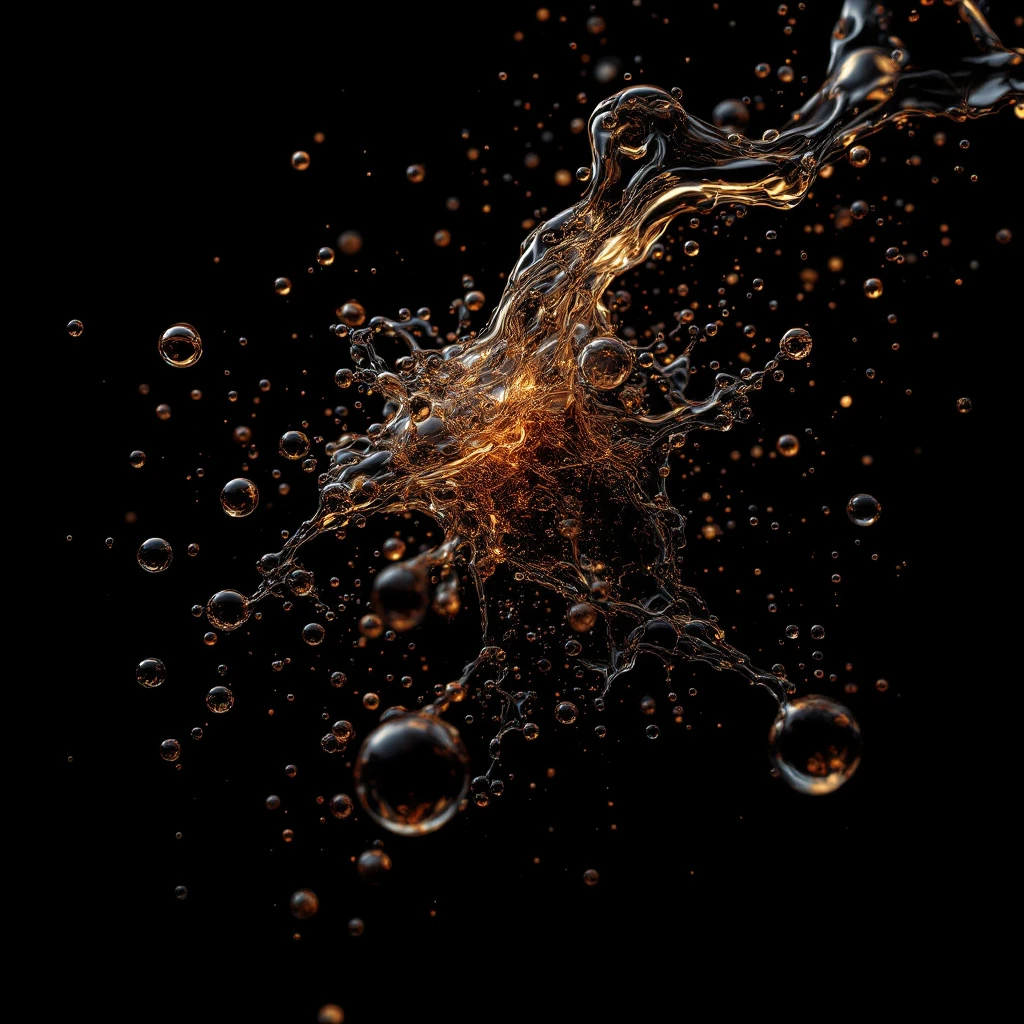
Dark and resinously earthy, Sumatran coffee absolute carries the weight of volcanic soil and monsoon forests. In perfumery, it delivers a roasted intensity with a distinctively damp, forest-floor quality that sets it apart from lighter coffee materials.
Character
How it smells
Volcanic intensity from Indonesian highlands
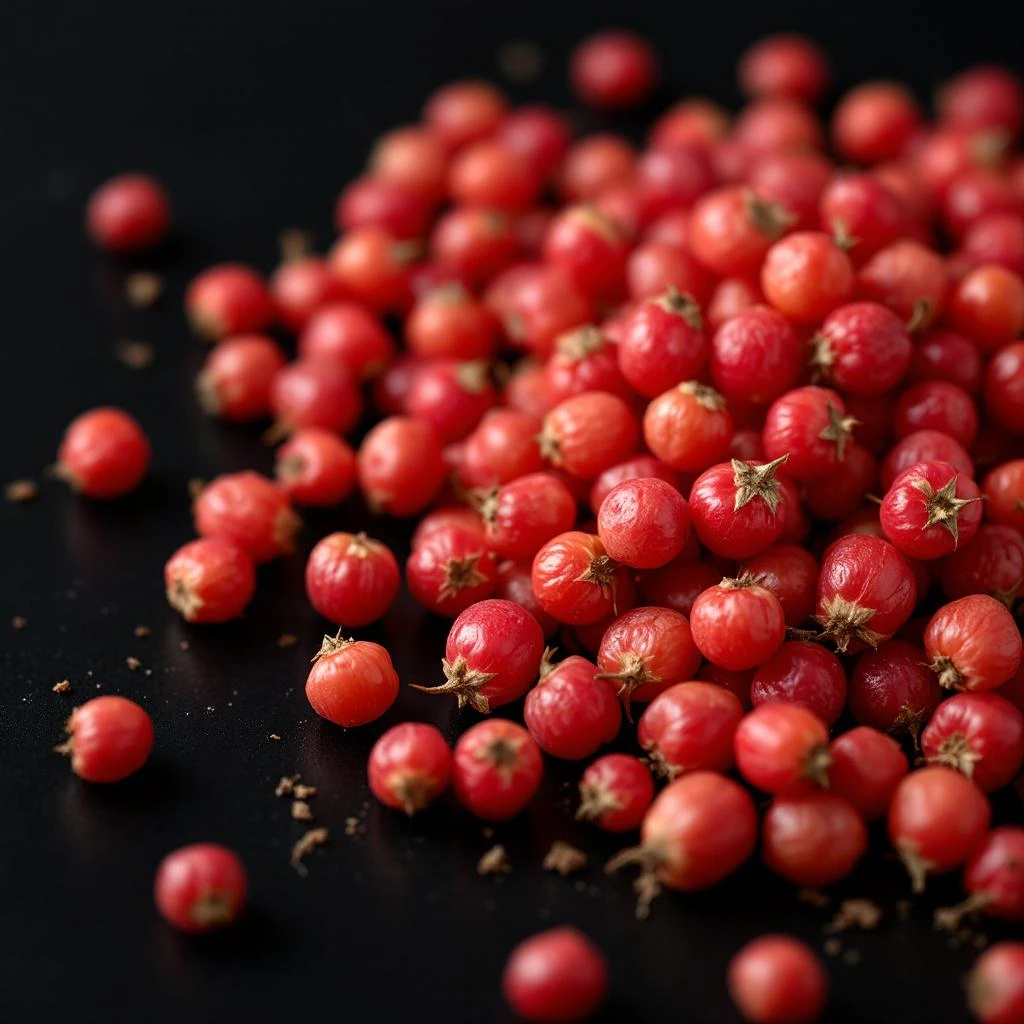
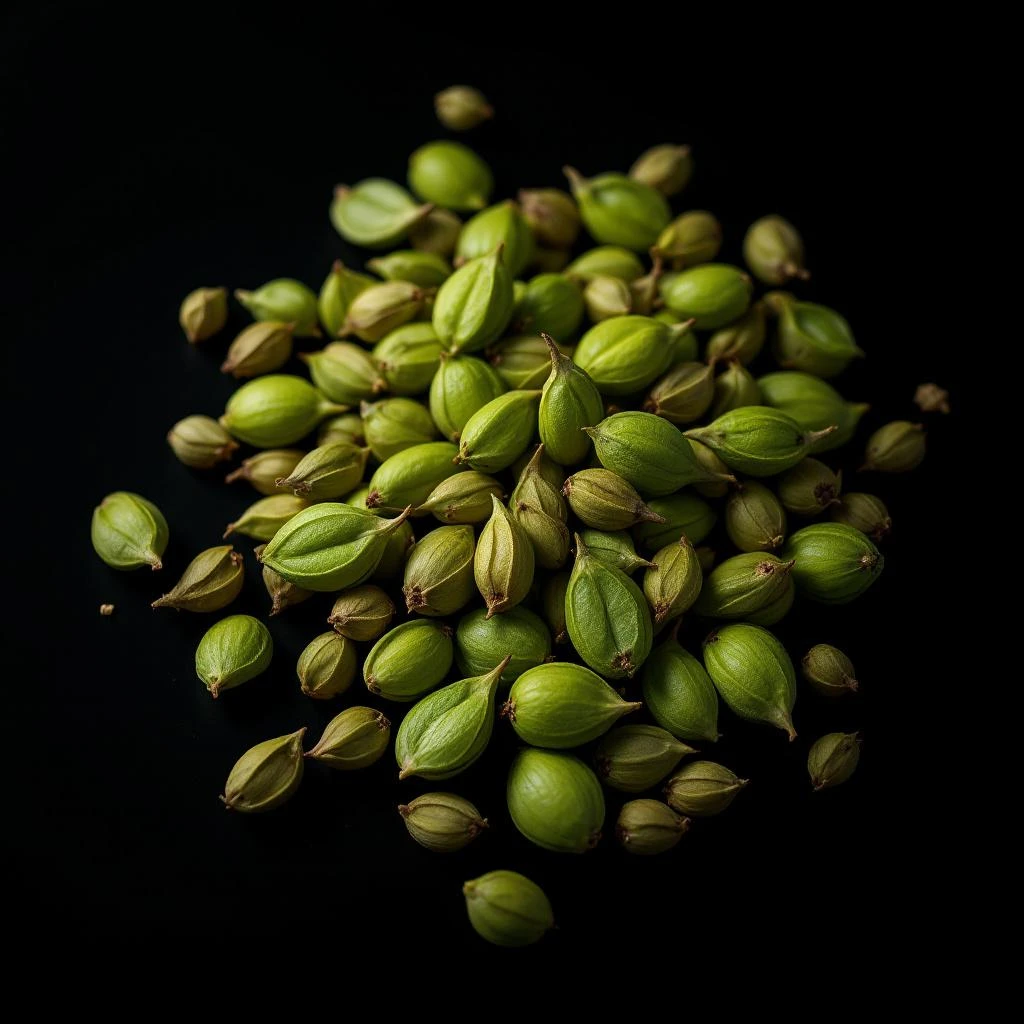
Coffee beans are processed seeds from bright red cherries—the fruit of the Coffea plant, not true legumes.




Origin
Indonesia
Coffee cultivation in Sumatra took root around 1884 near Lake Toba, the world's largest volcanic caldera lake. Dutch colonialists introduced Coffea arabica from Yemen, though the crop traces its wild origins to Ethiopia. By the 1870s, a devastating coffee leaf rust plague forced Indonesian farmers to incorporate harderier Coffea robusta and liberica varieties alongside traditional arabica.
The region's equatorial climate and rich volcanic soil created ideal growing conditions, transforming Sumatra into one of the world's most significant coffee-producing regions. The wet-hulling technique developed out of necessity—Sumatra's hot, damp environment made traditional drying difficult, so farmers adapted by hulling beans at higher moisture levels. This pragmatic innovation produced an entirely new flavor profile that coffee experts now call petrichor, the distinctive earthy aroma of rain on warm soil.
Today, Sumatran coffee remains central to Indonesian agricultural identity and has become a sought-after material in artisanal perfumery for its complex, terroir-driven character.
Wears it best
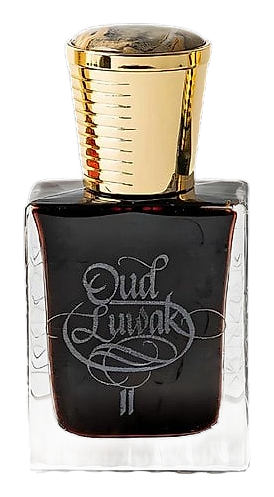
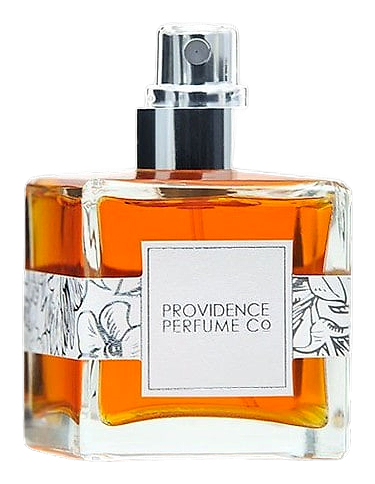
Fragrances featuring Sumatran Coffee
Brands
Brands known for Sumatran Coffee
Good to know
Questions, answered
The essentials on Sumatran Coffee in perfumery: how it smells, where it comes from, and how it behaves on skin.
What does Sumatran coffee smell like in a fragrance?
Sumatran coffee delivers an intensely earthy, roasted aroma with dark chocolate and tobacco undertones. The wet-hulled processing creates a distinctive damp forest-floor character that distinguishes it from sweeter Ethiopian coffee notes.
Is coffee absolute natural or synthetic in perfumery?
Coffee absolute is a natural aromatic extract. Supercritical CO2 or solvent extraction pulls volatile compounds from green beans, yielding a concentrated material without artificial ingredients.
How do perfumers extract coffee for fragrance use?
Two primary methods dominate: supercritical CO2 extraction and solvent extraction. CO2 extraction captures a broader range of aromatic molecules, producing a more complete coffee profile, while solvent extraction yields a traditional absolute.
What types of fragrances use Sumatran coffee notes?
Sumatran coffee appears frequently in orientals, leather fragrances, and unisex compositions. It works as both a prominent heart note and a grounding base element, adding depth to amber, oud, and spicy formulations.
How does coffee behave as a fragrance ingredient?
Coffee acts as a fixative, slowing the evaporation of more volatile top notes while contributing warmth and depth. It blends well with vanilla, benzoin, cistus, and woody materials like sandalwood.
Why is Sumatran coffee specifically valued by perfumers?
Sumatran coffee's unique wet-hulled processing produces aromatic compounds not found in other origins. The earthy, forest-floor character adds dimensionality to fragrances seeking natural authenticity and geographic specificity.
Does roasting level affect coffee fragrance materials?
Green beans are typically used for extraction, as roasting creates volatile compounds that degrade during processing. The resulting absolute captures fresh, green coffee characteristics rather than roasted coffee nuances.





