
The Story
Why it exists.
The beginning
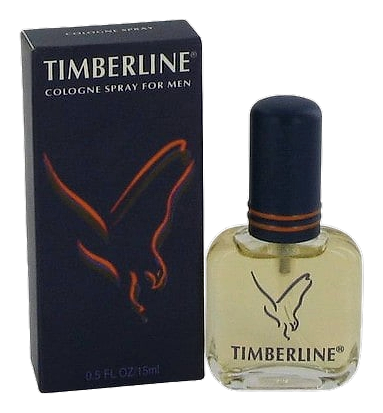
Timberline arrived in 1968. Tabu had already made its name, and into that landscape Dana introduced something that worked the opposite end of the spectrum: a woody-aromatic composition that dresses the natural world in cologne clothes. The name itself does a lot of the work. Timberline. The tree line on a mountainside, the altitude where the forest thins and the air sharpens, where pines give way to scrub and scrub gives way to sky. That's the territory this scent maps, and it does so without reaching for obvious moves. There's no heavy dose of synthetic pine trying to fool you into thinking you're standing in a forest.
What makes this composition interesting is the density beneath its clean surface. Six top notes, five middle notes, and nine base notes move in concert, yet the final impression reads as a single, unified green-woody gesture rather than a parade of individual materials. The skeleton sits on lavender and oakmoss, the classic fougère architecture that grounds the whole thing. Around it, Dana layers anise and rosemary for herbal bite, carnation and cinnamon for warmth, and a base of cedar, pine, and vetiver that pulls the drydown toward something mineral and bark-like.
The evolution
The first fifteen minutes are bright and almost bracing. Bergamot and lemon flash, then the anise lands, slightly sweet and faintly medicinal, like black licorice dissolved in cold water. Rosemary cuts through it with something peppery and clean. Within thirty minutes, the lavender and fougère notes take over, pulling the composition into its middle register. Carnation arrives with its clove-adjacent spice, cinnamon warming the edges, and heliotrope adding a soft, almond-like haze. This is the phase that smells the most lived-in, like a wool jacket that's absorbed a decade of cedar closets. The drydown is where Timberline earns its reputation. The herbs recede and the base takes command: cedar, pine, and oakmoss settle into something that smells less like a forest and more like a well-worn leather glove left near a woodpile. The honey warms without sweetening. The musk softens everything without dulling it.
Cultural impact
Timberline is a composition that tends to find its wearers through recommendation rather than advertising. The people who reach for it often describe a particular feeling of rediscovery, the sensation of smelling something built with more intention than most modern releases. It's a fragrance that rewards attention. The opening is bright and herbal, the lavender and rosemary registering clearly without shouting. The heart warms into spice and floral softness from carnation and cinnamon. And the base settles into a dry, mineral woodiness with honey threading through it, giving the scent a quiet signature on skin that lasts without performing.