The Story
Why it exists.
The beginning
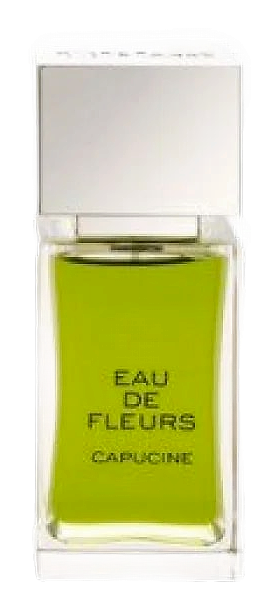
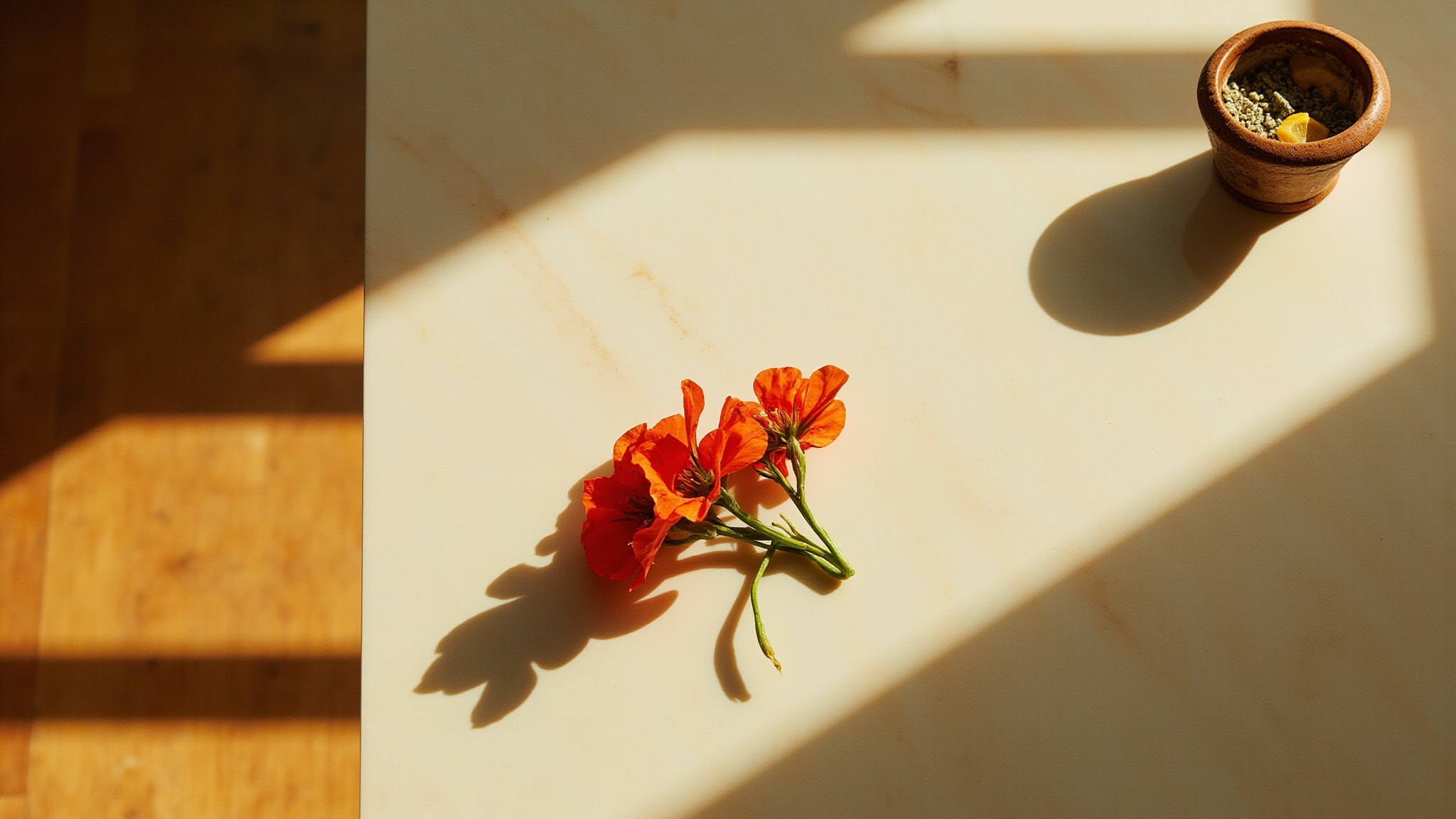
Eau de Fleurs Capucine arrived in 2010 as part of Chloé's "Eau de Fleurs" collection, a group of floral fragrances built around individual blossoms. Louise Turner composed it around the capucine flower, the French word for nasturtium. The plant carries a quiet, peppery green scent, one that doesn't announce itself the way a rose does but settles into the skin with something cooler and more vegetal, almost watery. Turner translated that quality into a composition that feels plucked from a garden rather than poured from a bottle, letting the unusual character of the blossom lead the way instead of dressing it up in heavier florals.
Galbanum does most of the heavy lifting in the opening, a resin with a sharp, bitter green edge that reads more like a plant than a garden. By the time neroli, bergamot, and sage arrive, the scent already feels botanical rather than perfumed. The nasturtium at the heart isn't a note you recognize consciously. It reads as a cool, watery green pepper that sits between the bright citrus and the soft white florals, giving the composition a vegetable freshness most florals can't achieve.
The evolution
The first 15 minutes are all galbanum and neroli, green and slightly bitter, like pulling weeds in wet soil. It's the most assertive the fragrance gets. Around the 30-minute mark, jasmine and lily of the valley ease in, rounding the sharpness into something warmer. Rose is there too, but quiet, a suggestion rather than a declaration. By hour two, the composition has lost its green teeth. What's left is a soft, musked skin scent with a faint Ambroxan warmth underneath, the kind of drydown that makes people lean closer because they can't quite place what you're wearing. The amber and musks hold close to the body, building a clean, almost soapy warmth that lingers like sun on fabric. As the hours pass, the green elements drift further away, and what stays is that quiet musk layered with a soft floral trace, present but no longer performing.
Cultural impact
Eau de Fleurs Capucine sits within Chloé's broader floral conversation, offering a softer, more translucent take on the house's signature style. It appeals to wearers who want Chloé's romantic sensibility without the density, and it leans into green and watery territory rather than the powdery rose direction the brand is best known for. Within the Eau de Fleurs collection, Capucine stands out for its botanical character, sharing space with gentler, sweeter interpretations of single florals.