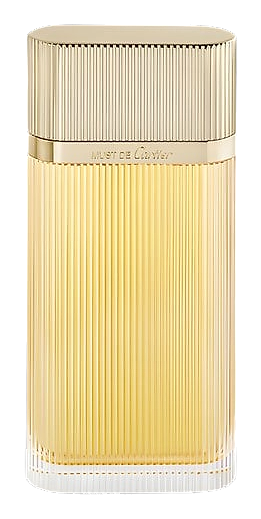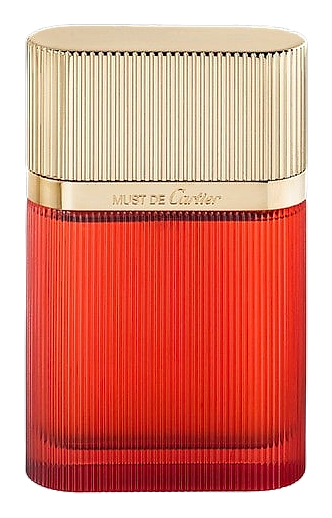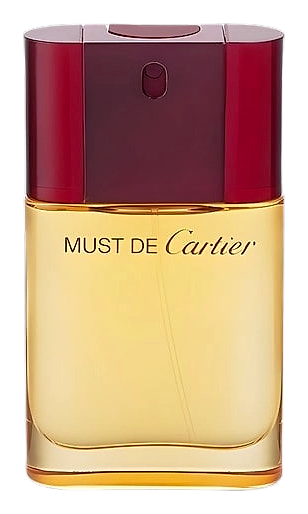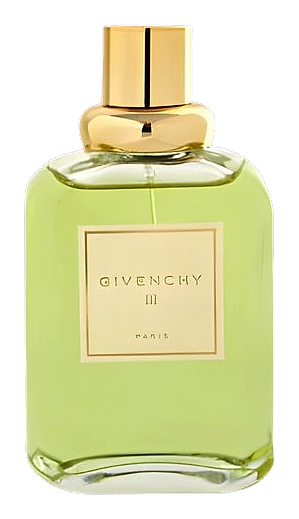

The Story
Why it exists.
The beginning
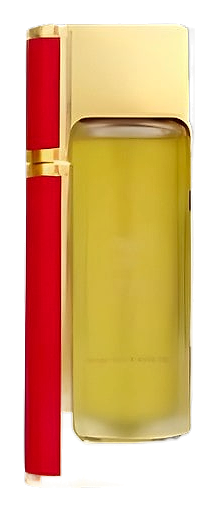
Alberto Morillas was at the height of his powers when Cartier called. The original Must had already established the Maison's fragrance ambitions, now it was time to build something that could stand beside it. Morillas brought the precision that would later define Bleu de Chanel, but here he was working in a different register: the green incisiveness that the official copy calls out, softened by florals and anchored by the oakmoss that makes a chypre a chypre. The brief wasn't just 'make a fragrance.' It was 'make something Cartier.' That meant treating scent as invisible jewellery, something precious worn against the skin, not announced to the room.
The note structure is the point. Hyacinth opens sharp, almost electric, green in a way that cuts rather than refreshes. The citrus notes (bergamot, mandarin, lemon) amplify this effect before the heart takes over: jasmine, rose, and lily of the valley layered so they read as one complex bloom rather than a checklist. The orris root bridges to the base with something powdery and root-like. Then the oakmoss, vetiver, sandalwood, and cedar arrive. Together they form what chypre lovers call the 'forest floor', musty, deep, and built to last. This is the part that separates a chypre from a floral. This is why Must II has legs.
The evolution
The opening announces itself clearly. Hyacinth and citrus hit first, bright and sharp, lasting perhaps thirty minutes before the florals begin to dominate. The heart phase is where this fragrance earns its reputation, jasmine and carnation layer into something simultaneously delicate and confident, with the lily of the valley providing a cool counterpoint. The drydown is where oakmoss and vetiver take over, the sandalwood and cedar providing warmth beneath. On most skin, this phase begins around the third hour and holds through the eighth. The sillage starts strong and settles to something more intimate as the day progresses, a quality that makes it wearable without being exhausting.
Cultural impact
Released in 1993, Must II arrived at a moment when bold florals and orientals dominated. Its restrained chypre structure, green, floral, mossy, offered something different: elegance without announcement. The fragrance developed a quiet following and has since accumulated a nostalgic respect among those who remember it. Its discontinued status has only deepened that appreciation.
The House
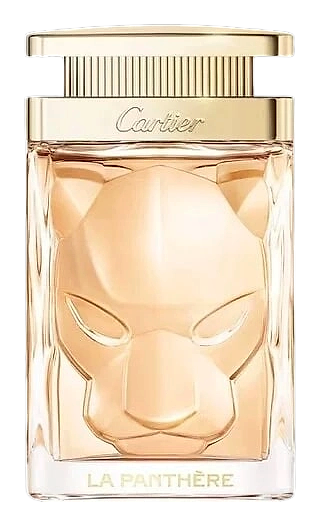
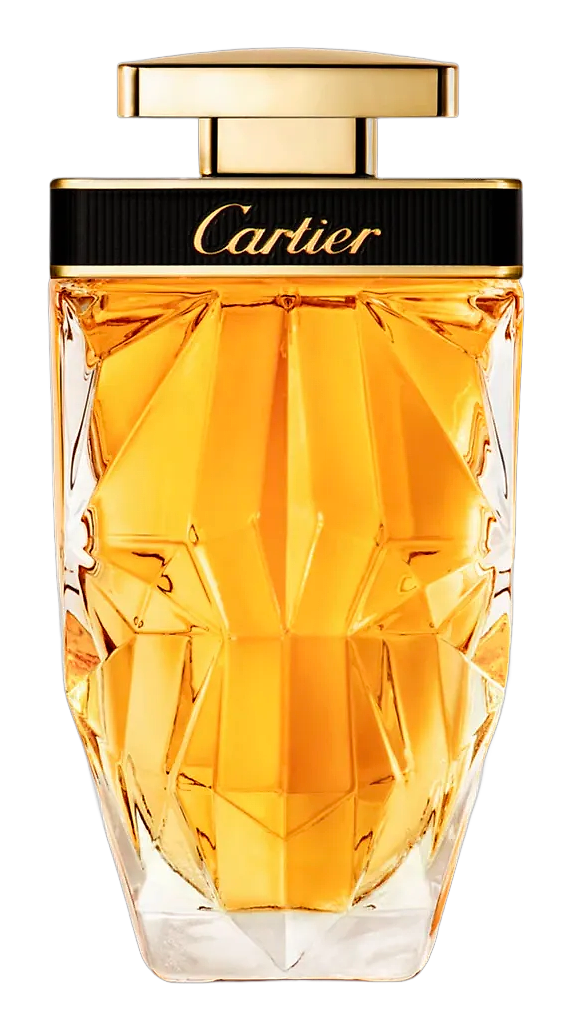
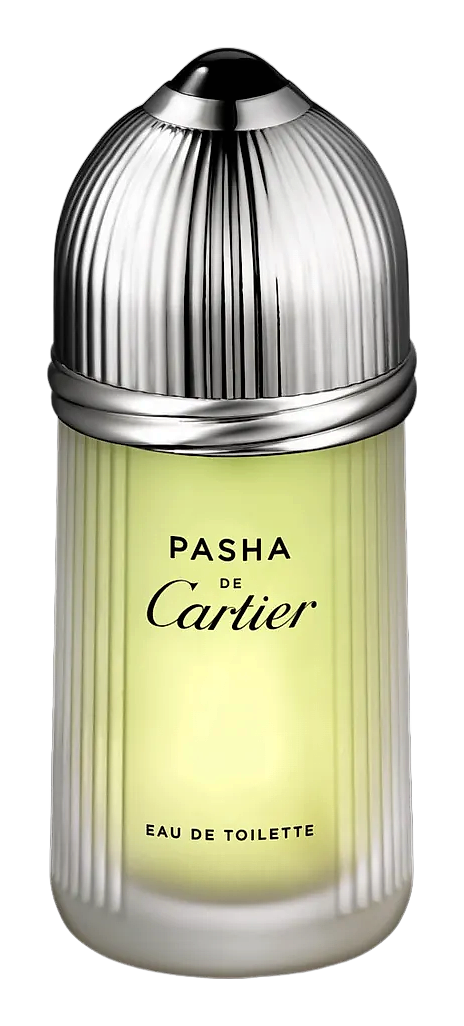
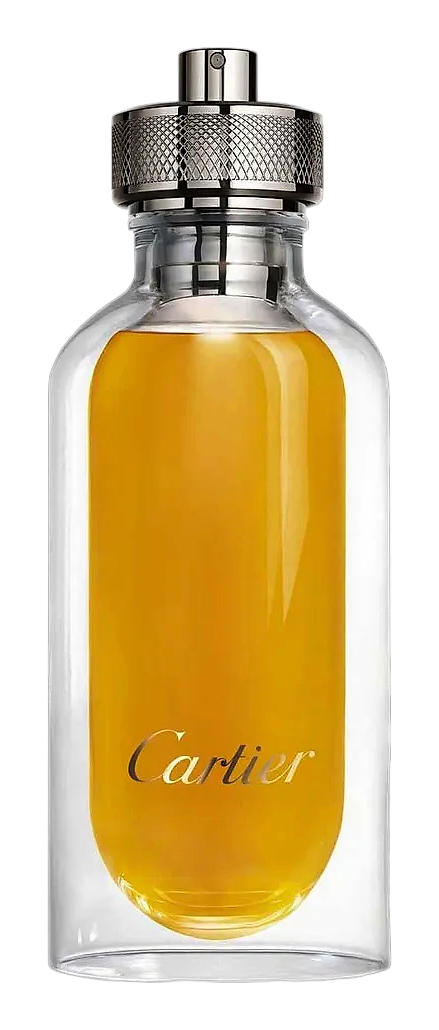
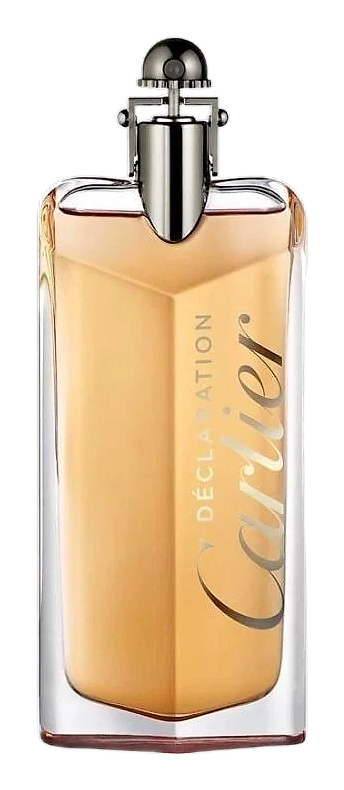
CartierFrom a small Parisian workshop in 1847 to one of the most celebrated fragrance houses in the world, Cartier has spent over 175 years translating the language of precious gems into something you can wear against your skin. Every Cartier fragrance is conceived as invisible jewellery, an intimate ornament that speaks to the same desire for beauty and craftsmanship that has drawn royalty and connoisseurs to the Maison for generations. The panther prowls through its scent wardrobe, diamonds catch light in crystalline bottles, and rare ingredients arrive from distant corners of the globe. This is luxury in its most wearable form.
The Creator
Alberto MorillasMorillas' style is characterized by a luminous transparency and a masterful use of musks. He often incorporates citrus notes to create a bright, uplifting effect.