
The Story
Why it exists.
The beginning
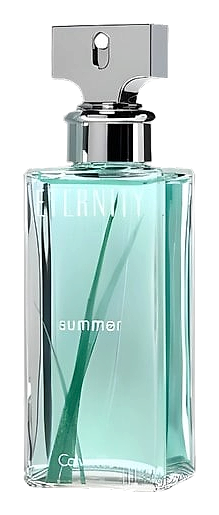
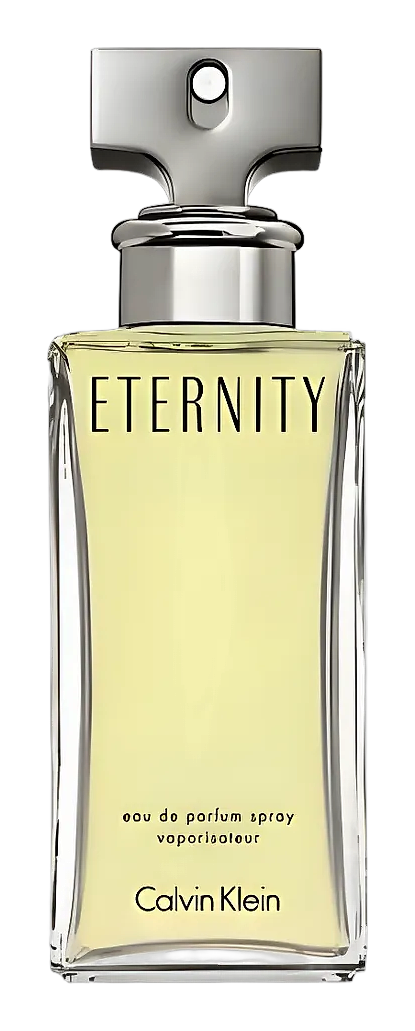
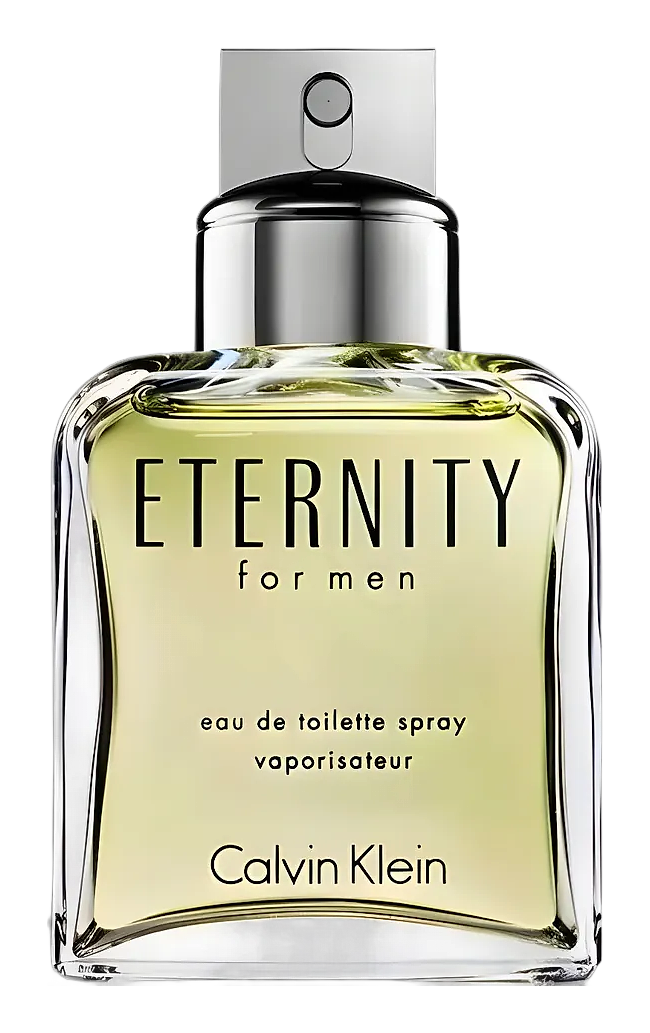
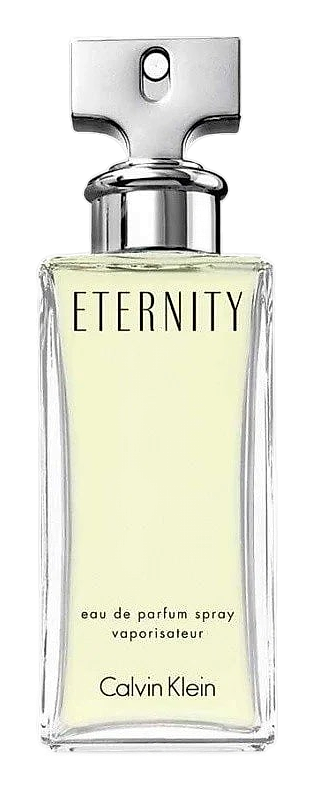
Sophia Grojsman built Eternity in 1988, a composition that arrived as a fully formed statement of floral permanence. Calvin Klein, already fluent in clean lines and direct emotion, framed the fragrance within the same stripped-down visual language that defined the brand's aesthetic. Grojsman approached the formula with a perfumer's instinct for restraint and saturation in equal measure, building a bouquet dense enough to suggest durability without sliding into weight. The name carries the entire promise: something composed, something that intends to last, something built to outlast the season.
The composition reads like a florist's manifest, and that's the point. Carnation and jasmine share the stage with lily of the valley and rose, while violet and narcissus pull the heart into something softer, almost powdery. Sage in the opening keeps the sweetness from tipping into sugar, lending an herbal coolness that balances the density of the petals. The base is where the name earns its keep: white musk, heliotrope, and a touch of sandalwood that ground the flowers in something warm and close to skin.
The evolution
The first 30 minutes are the greenest stretch, sage and freesia giving the florals something sharp to lean against. Mandarin orange flickers underneath, barely there, a brightness that disappears as soon as the heart opens. Then the carnation arrives, spicy and clove-edged, and the composition pivots into full white-flower mode. Jasmine and lily of the valley carry the next few hours, with rose threading through and heliotrope adding a marzipan sweetness that keeps it from going flat. By hour four, the petals soften and the base starts its work: sandalwood and patchouli, then musk settling close to skin. The drydown is the quieter half, warm and slightly sweet, and it leaves a clean powdery trace on clothes the next morning. It announces, then it settles.
Cultural impact
Eternity became a floral that registered deeply on its own terms, a fragrance with a presence that stretched well past its launch season. It carries the energy of a perfume designed to mark a moment rather than vanish after the trend cycle moves on. Dense, romantic, and built to stay, it occupies a place in the memory of anyone who wore it or stood close to someone who did. The bottle sits on vanities for a reason: it suggests something worth keeping.
The House
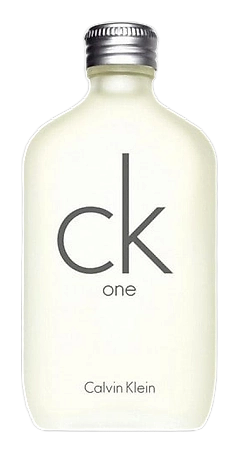
Calvin KleinCalvin Klein is an American fashion house with roots in New York City's coat trade. Founded in 1968 by designer Calvin Klein and Barry Schwartz, the company rose to prominence through its minimalist aesthetic, form-fitting denim, and designer underwear lines. The brand entered the fragrance world in the late 1970s and built one of the most recognizable mass-market perfume portfolios in fashion. CK One, launched in 1994, became a cultural landmark as one of the first unisex fragrances, reshaping how the industry approached gender and scent. Today Calvin Klein perfumes remain available globally through department stores and specialty retailers, with fragrance licensing managed by Coty Inc. since 2005.
The Creator
Sophia GrojsmanGrojsman's signature style favors bold, expressive compositions with remarkable sillage and longevity, achieved through her unconventional use of concentrated materials without heavy fixative buffers. Her work spans multiple olfactive territories but consistently exhibits a ce…