
The Story
Why it exists.
The beginning
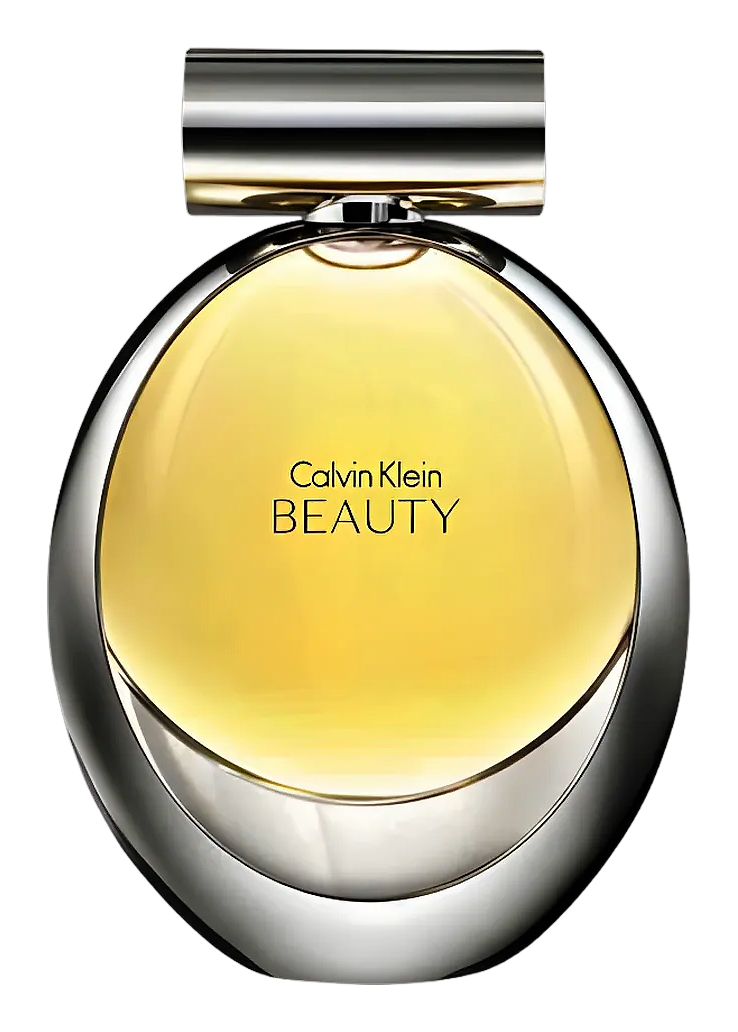
Beauty arrived in 2010 with a quiet manifesto: no seduction. Where Euphoria and Obsession before it leaned into provocation, this was something else entirely. Sophie Labbé composed it around three notes, ambrette seed, jasmine, and cedarwood, building a fragrance that traded declaration for deliberation. The inspiration came from an unexpected place: the calla lily. Its clean curves, its contained elegance. The kind of beauty that doesn't need to prove anything. The campaign face was Diane Kruger, shot by Craig McDean in Berlin, dressed in white. She wasn't selling desire. She was embodying self-possession.
The note structure is unusually spare for an EDP, with each material chosen for its restraint. Ambrette seed brings warmth without animalic weight, a subtle nuttiness that feels almost skin-like. Jasmine adds softness without the indolic push that makes some florals feel demanding, instead offering a clean, gentle floral presence. Cedarwood anchors the base in dry, clean wood, lending structure without heaviness. The result is a fragrance that breathes rather than projects, present on the skin without filling a room. That restraint is the signature.
The evolution
Beauty opens barely above the skin. The ambrette announces itself first, warm, slightly nutty, the scent of skin without sweat. Not loud. Not trying. The jasmine arrives in its own time, soft and clean, still not loud. The cedar begins to whisper underneath, dry and unobtrusive. As the fragrance develops, the cedarwood becomes more apparent, lingering for hours in a way that remains present but never announces itself. You'll know it's there. The person sitting across from you might not. That's the design, not the defect. The drydown reveals a woodsy warmth that settles close to the skin, inviting someone to lean in rather than announcing itself across a room.
Cultural impact
Beauty occupies a different space within the Calvin Klein fragrance portfolio. It's not romantic-seductive like Obsession. It's the house's quiet corner, made for someone who doesn't need the world to know they're wearing something. The campaign, with Diane Kruger in white, said everything: self-possession without apology. The fragrance itself embodies this philosophy, stripping away everything but the essentials to create a scent that whispers rather than shouts. It's a statement about what it means to smell good without announcing it, about confidence that doesn't require validation from others.