
The Story
Why it exists.
The beginning
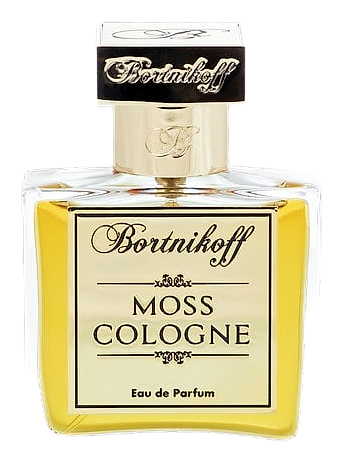
Moss Cologne is built around a central idea that doesn't get nearly enough credit in modern perfumery: oakmoss as the spine of a composition rather than a supporting accent. The opening presents a familiar chord of citrus, grapefruit, sweet orange, bergamot, and lemon, the kind of bright top notes that announce themselves without ceremony. But the accord here does more than sparkle on the surface. The citrus quartet behaves like a key that turns the lock, opening into a much denser, greener architecture underneath. There's nothing tentative about how the composition moves from top to heart; the transitions feel considered, deliberate, weighted in a way that suggests the perfumer understood what oakmoss can do when you let it lead.
What makes Moss Cologne interesting is the restraint behind its complexity. The citrus quartet of grapefruit, sweet orange, bergamot, and lemon opens with confident brightness, the kind of crisp, slightly bitter top accord that sets a clean stage. The heart reframes everything that came before it. Oakmoss absolute sits at the center, flanked by violet leaf, nutmeg, champaca, jasmine, and ylang-ylang, a green-floral-spicy arrangement that resists easy categorization. Violet leaf adds a cool, cucumber-like sharpness that keeps the oakmoss from going too dark.
The evolution
The first 15 minutes belong entirely to the citrus. Grapefruit leads, sharp and a little bitter, with sweet orange softening the edges and bergamot adding a floral lift. Lemon cuts through underneath, keeping things from going flat. It is bright, clean, almost effervescent. Easy to mistake for something much simpler. Then the moss arrives. It does not rush. Around the 30-minute mark the oakmoss absolute starts pushing through the citrus haze, and the whole composition pivots. Violet leaf adds a green, slightly watery quality, like crushed stems. Nutmeg warms the edges without going sweet. Champaca and jasmine give the heart a creamy, almost tropical undertone that keeps the moss from feeling austere. The ylang-ylang rounds it out, lending a banana-like softness that prevents the heart from turning too herbal. By the third hour, the base has taken over. The second oakmoss note deepens, joined by labdanum's sticky warmth and the gentle sweetness of tonka bean and vanilla. Cedar (both Atlas and Virginian) gives it a dry, woody backbone.
Cultural impact
Moss Cologne enters the conversation around chypres at a moment when the category has become increasingly rare and increasingly precious. IFRA restrictions on oakmoss have made genuinely mossy compositions difficult to formulate, which gives this fragrance a particular resonance for anyone who remembers what classical chypres used to smell like before the rules changed. It doesn't attempt to recreate a specific vintage reference, but it captures something essential about the genre: the tension between bright citrus on top and deep, resinous, mossy warmth underneath.