The Story
Why it exists.
The beginning
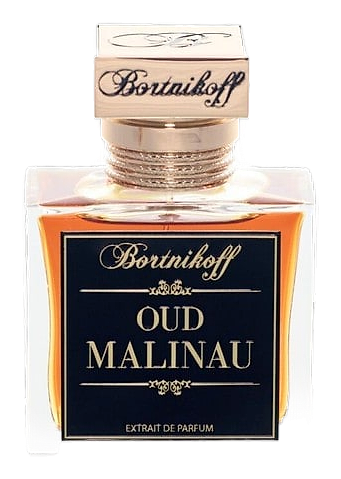
Oud Malinau takes its name from a small island off the coast of Indonesia, where the wild agarwood used in this composition grows. Dmitry Bortnikoff has built his house on sourcing rare natural materials directly, and Malinau represents one of the more obscure corners of that supply chain. The oil distilled from these trees is described as gradually disappearing from the region, which makes its inclusion here both a sensory choice and something of a quiet statement about material authenticity.
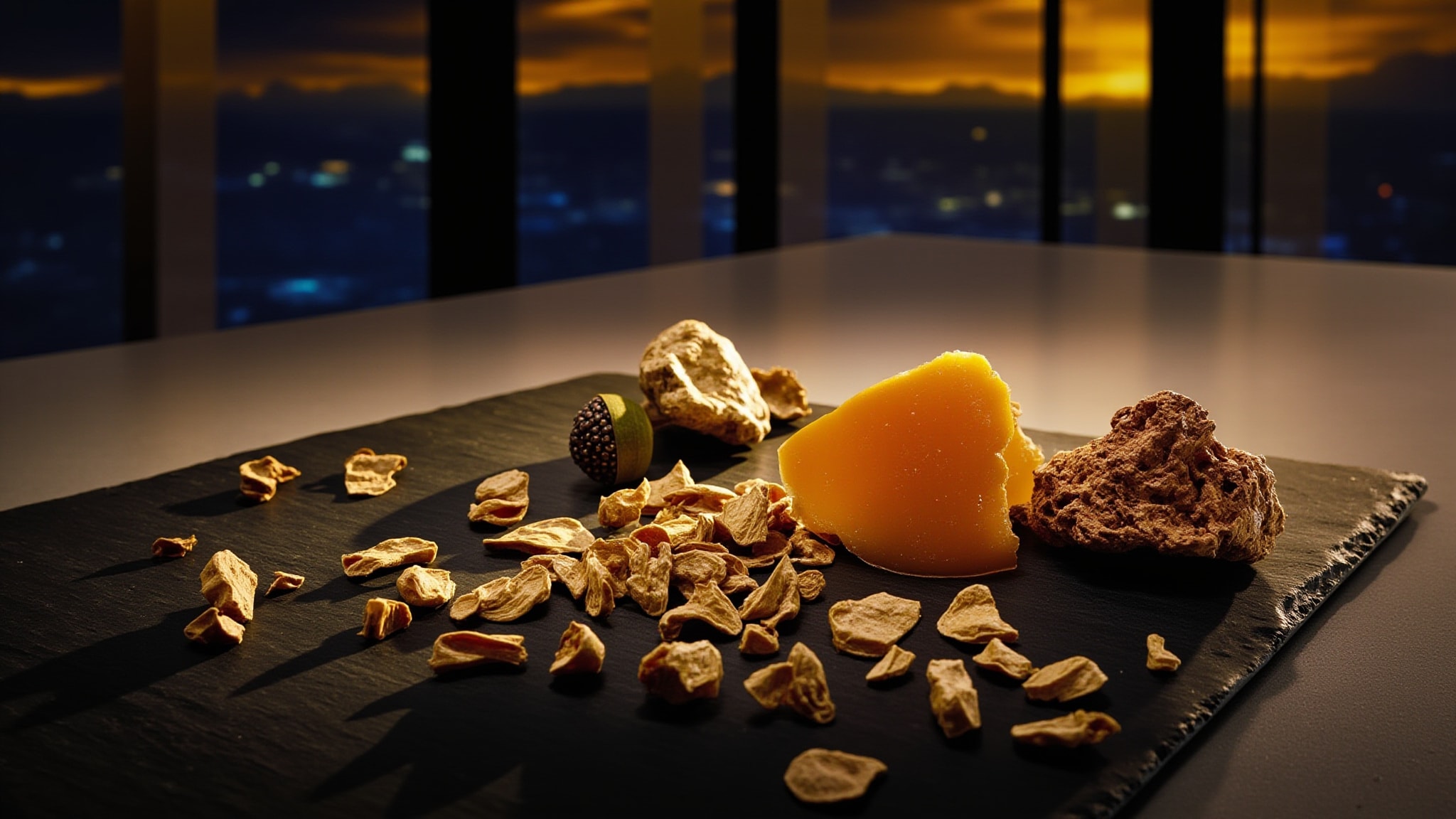
What makes Oud Malinau unusual is the heart. Raspberry, Ceylonese cinnamon, and beeswax together create a warm, slightly edible quality that you don't often find in oud-forward fragrances. The beeswax adds a natural waxy depth that isn't sweet exactly but feels cozy, almost nostalgic. The cinnamon is Ceylonese, which means it's warmer and less harsh than its cassia cousins. These three ingredients conspire to make the fragrance approachable without sacrificing complexity. The oud is there, patiently, but it's not the only story being told.
The evolution
The opening announces itself with cardamom and mimosa, a pairing that feels simultaneously spicy and airy. Mimosa brings a powdery yellow sweetness that flirts with the cardamom without competing. Within the first hour, the heart takes over: raspberry arrives, bright and slightly tart, before the cinnamon and beeswax wrap everything in warmth. The transition is smooth. Then the base begins its slow reveal. The oud doesn't storm in. It builds gradually, resinous and smoky, as the benzoin adds a sticky vanilla-adjacent sweetness and the pepper duo provides lift. By hour three, you're wearing something close, warm, and quietly complex. The oud-sweetness balance shifts throughout the day, never fully resolving into one or the other. Moderate sillage means it stays intimate. On fabric, the beeswax lingers longest.
Cultural impact
Oud Malinau arrives at a moment when natural oud has become increasingly rare and contested. The island of Malinau in Indonesian Borneo sits within a region where wild Aquilaria trees face pressure from overharvesting, making the sourcing of genuine oud not just a perfumery concern but a conversation about conservation and authenticity. Bortnikoff's decision to feature this material front and center signals a commitment to natural ingredients that resonates with collectors weary of synthetic reconstructions. The fragrance's cardamom and mimosa opening references Indonesian spice trade history, while the beeswax heart echoes traditional incense practices.