
The Story
Why it exists.
The beginning
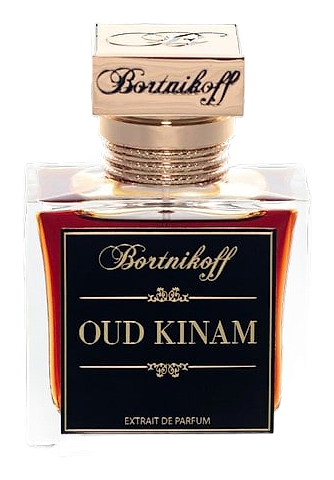
The name is the program. Kinam is a cultivated variety of agarwood from China, one that produces aromatic oil throughout its trunk without requiring the tree to be wounded first. It's the backbone of this composition, the reason the oud reads clean where other oud bases turn feral. Dmitry Bortnikoff then did something unexpected: he built the heart around Afghan rose, an ingredient grown in a very specific terroir. The roses grow in soil that once fed opium poppies, cultivated through an international drug eradication program that retrained farmers to grow roses instead. The result is a rose that carries a mineral darkness most florals never risk. That's the tension Oud Kinam is built on, cultivated restraint meeting something wilder underneath.
Two ingredients define this fragrance's character more than any other: the Afghan rose and kinam oil. The rose is the surprise, grown in Afghanistan's special soils and climate, it carries a mineral darkness that reads more like petrichor than petals. It isn't sweet in the way Bulgarian rose is sweet. It isn't jammy or powdery. It's the kind of rose that smells like the ground it grew in. Kinam oil, the cultivated Chinese agarwood, is the structural choice.
The evolution
The opening salvo is citrus, bitter orange and bergamot cutting bright and clean. For about thirty minutes, this reads like a much lighter fragrance than it is. Then the rose arrives. Not the romantic, jammy rose of mainstream floral design, the Afghan rose arrives with a mineral darkness that signals this isn't playing by those rules. The coffee in the heart adds a bitter, slightly charred edge that keeps the sweetness honest. Two vanillas, Bourbon and Papua New Guinean, wrap around the rose without smothering it. The base is where kinam oil takes over: resinous, clean oud that holds the skin for hours without the barnyard notes that make some oud compositions divisive. The drydown is intimate and close. Eight to ten hours on most skin.
Cultural impact
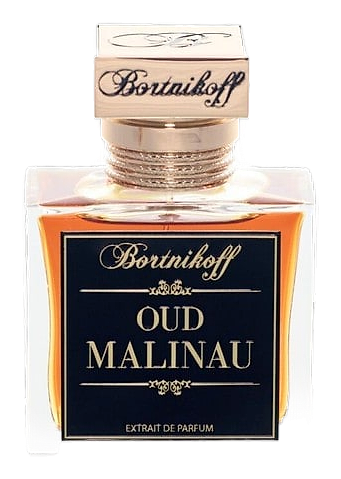
Bortnikoff occupies a specific lane in the niche fragrance landscape, not the experimental fringe, not the heritage luxury tier. The house makes fragrances for people who appreciate oud and want to explore what the material can do. Oud Kinam joins that conversation by introducing the Afghan rose, a material with its own backstory, as the counterweight to the oud base. It's a composition that asks something of the wearer. The clean kinam oil makes it accessible to people new to the genre. The rose makes it interesting to people who've worn enough oud to know the territory.