The Story
Why it exists.
The beginning
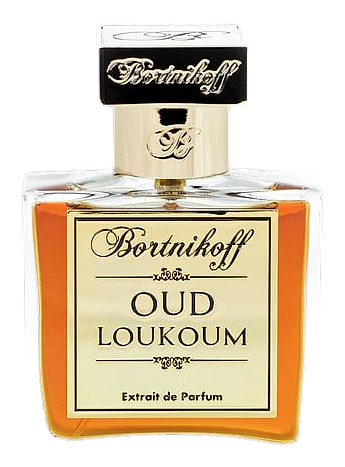
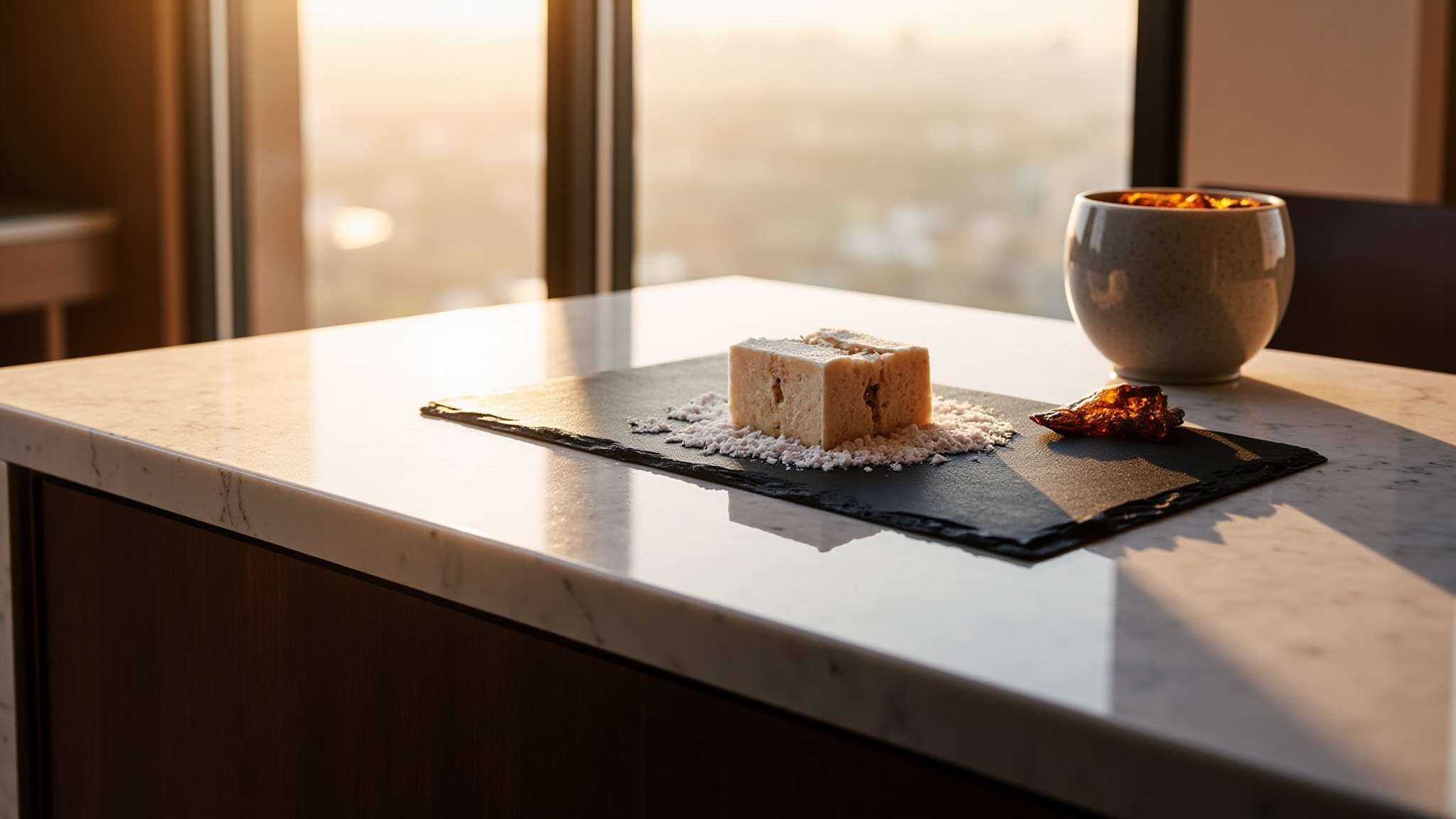
Oud Loukoum takes its name from loukoum, the Turkish delight that generations have associated with sweetness, indulgence, and the particular pleasure of something that tastes better than it should. Dmitry Bortnikoff built his practice on natural materials and compositions that reward close attention rather than loud first impressions. Oud Loukoum translates that philosophy into something approachable: the universally beloved sweetness of Turkish delight, but deepened with oud, tobacco, and cedar so it doesn't rely on nostalgia alone. The sweetness is the entry point. The woods are where you live.
What makes this composition work is the way ylang-ylang acts as a bridge rather than a destination. In lesser hands, a single heart note becomes a plateau, a flat middle that slows the whole experience. Here, the ylang-ylang arrives briefly, softens the edges of the dried fruits and tobacco, then hands off to a base that feels like it belongs to a completely different fragrance. Cedar and guaiac wood bring a quiet heat. Peru balsam adds warmth without sweetness. And the oud, Indian and Thai, sourced through the brand's direct supply relationships, anchors everything in resinous depth. It's a composition that earns its name by being more than one thing.
The evolution
The opening hits like a fragrant market stall: dried fruits giving way to tobacco's dry warmth, neither competing for attention. The ylang-ylang arrives within minutes, a brief floral passage that smooths the transition rather than stopping traffic. Then the base takes over. Cedar rises first, wood-forward and confident, followed by guaiac's smoky undertone. Peru balsam adds a honeyed resin that rounds the edges. The oud doesn't announce itself. It settles in quietly and stays. Eight hours later, on fabric rather than skin, the drydown still carries traces of warm wood and faint sweetness, the ghost of Turkish delight, the memory of tobacco, the fact of oud.
Cultural impact
Oud Loukoum occupies an interesting position: sweet enough for those who think they don't like oud, serious enough for those who think they've outgrown Turkish delight. It speaks to a collector who stopped chasing trends and started building depth. The discontinuation only sharpened that appeal.