The Story
Why it exists.
The beginning
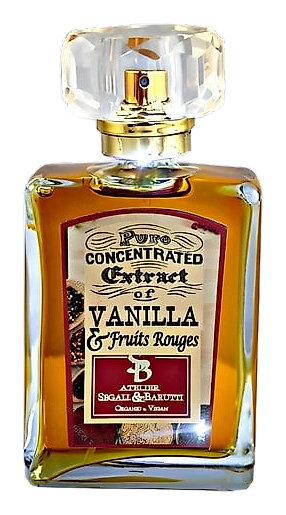
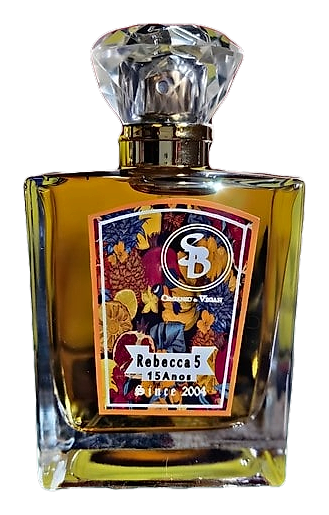
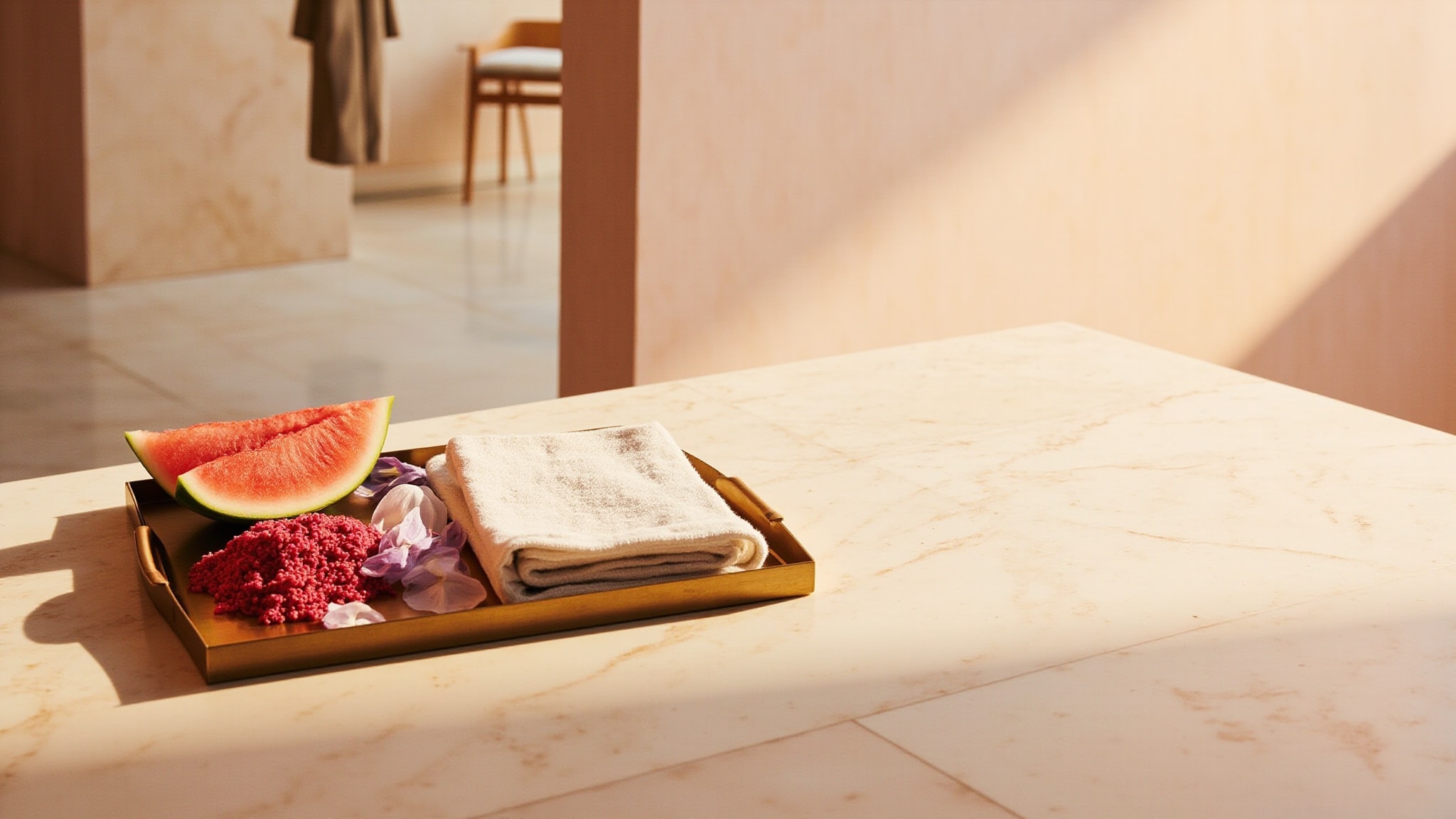
Rebecca 5 arrived in 2004, composed by perfumer Tzívia Segall as a fruity-floral with a powdery tail. Soft, edible, wearable, something that smells like ease rather than effort. The formula reads like a warm afternoon chapter: light pouring through linen, fruit macerating on the kitchen counter, no drama, no edge. Just a mood held intact. Segall builds the composition around a tension between juicy fruit and dusty restraint, an unusual pairing in a category that usually tilts fully sweet. The watermelon and raspberry bring a bright, almost candied sparkle to the opening, while violet, orange blossom, and a sandalwood-iris base pull the whole thing downward into something quieter and more grown-up.
The composition leans into a tension most fruity florals avoid: the clash of bright, almost candied fruit against the dusty restraint of iris. Watermelon and raspberry are sweet, often the notes that read as juvenile in lighter compositions, but Segall pairs them with violet, orange blossom, and a sandalwood-iris base that pulls the whole thing downward into something quieter. The resins do the heavy lifting in the drydown, adding a faint balsamic warmth that keeps the fruit from reading as synthetic.
The evolution
The opening belongs to the fruit. Watermelon and raspberry burst forward, bright and sharp-edged, with the Sicilian lemon adding a clean, almost mineral acidity beneath. Bergamot softens the edges, pulls the brightness toward something rounder, lending a faint citric warmth that smooths the candied snap of the berries. Then the florals arrive, almost cautiously. Orange blossom comes first, carrying a faint green-floral warmth that bridges the juicy opening and the dustier heart. Violet and rose follow, introducing the powder, that soft, almost talc-like dust that defines the middle hours. As the composition settles, the iris starts to surface, pulling the whole thing toward a cooler, more contemplative register, a shift you feel rather than consciously notice.
Cultural impact
Rebecca 5 wears like a quiet entry in the powdery comfort category, the kind of composition that rewards attention over hype. Its powder-and-iris finish gives it a sophistication that separates it from the candy-sweet fruit florals crowding the category. The watermelon note, often a risk in serious perfumery, here lands as something genuinely edible rather than synthetic, anchored by violet and sandalwood underneath. It rewards the wearer who likes their softness with a little structure underneath, the kind of fragrance that reads as considered rather than accidental.
The House
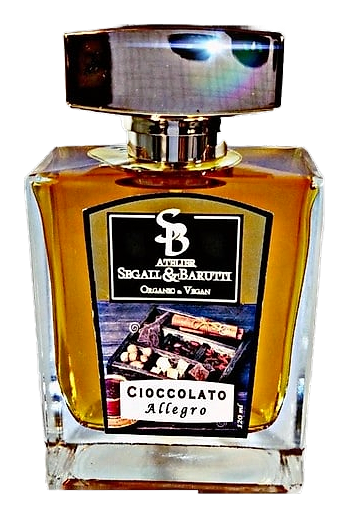
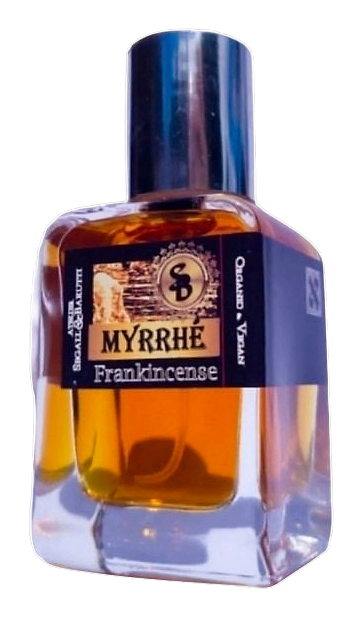
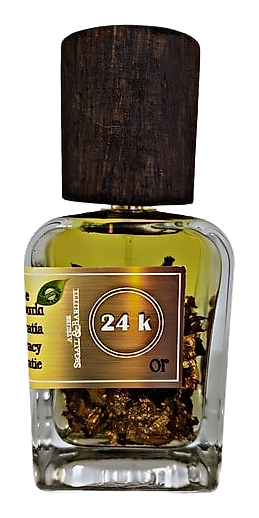
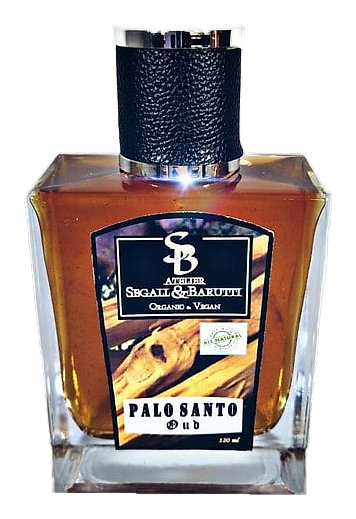
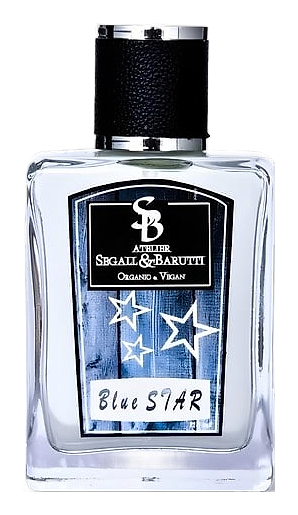
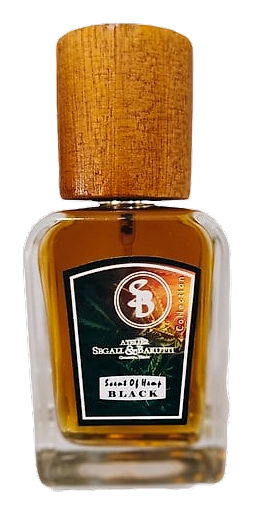
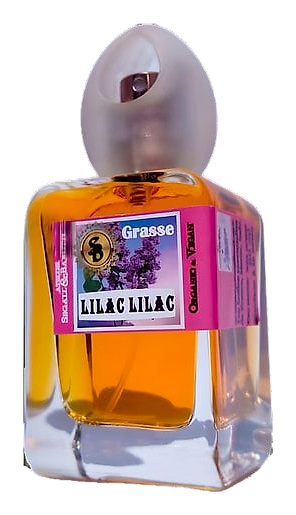
Atelier Segall & BaruttiAtelier Segall & Barutti is a niche fragrance house that builds its reputation on daring compositions and a willingness to explore unconventional scent structures. The brand’s catalogue, which stretches from the early 1990s to the present, includes more than 80 distinct creations, each positioned as a character study rather than a conventional perfume. Its releases—such as Rose Indian (2016) and Cyprus (2022)—show a consistent focus on narrative depth and material authenticity.
The Creator
Tzívia SegallHer signature technique involves layering transparent accords before anchoring them with a modest base of woods or resins. She prefers citrus zest, marine notes, and green herbs for top layers, then adds soft florals such as freesia or violet leaf.