The Story
Why it exists.
The beginning
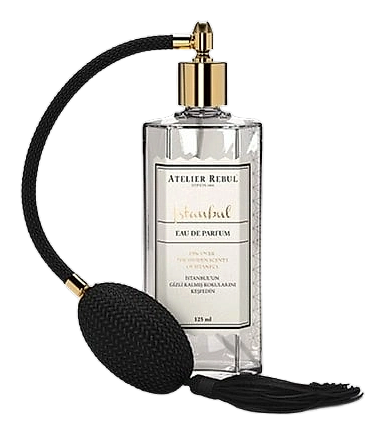
Istanbul the fragrance captures what Istanbul the city smells like to people who live there, not the tourist version, but the real one. Spices piled high in the Grand Bazaar. Hookah smoke curling through a tea garden. The warmth of a city that sits at the crossroads of east and west, where bergamot from the Mediterranean meets oud from the east. The opening is clean and bright, a citrus burst that feels like morning light over the Bosphorus, but the spices arrive with urgency, cinnamon and clove arriving fast enough that the top notes never fully settle. The blend creates something bold, unapologetic, a fragrance that smells like the city itself rather than someone's idea of it.
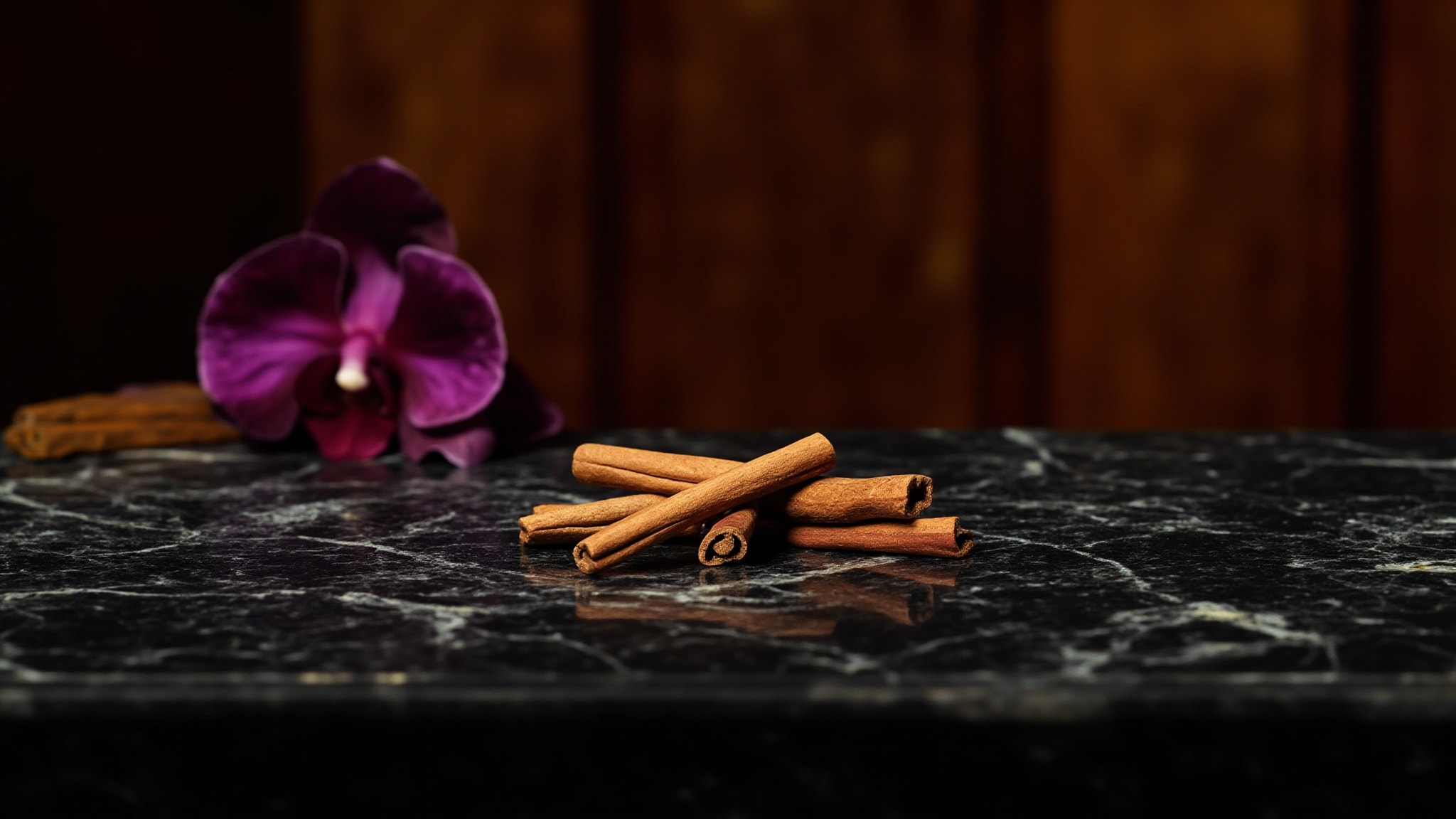
What makes Istanbul unusual is the clove-saffron axis in the opening. Those two notes together create something that reads almost like Turkish tobacco, bold and unmistakably regional. The black orchid in the heart adds a darker, more complex floral than jasmine alone would give you. The orchid keeps the florals from going soft, preventing the drydown from becoming overly sweet. Violet adds a powdery lift, and the heart ends up warmer and richer than the opening while still feeling grounded, not delicate.
The evolution
Bergamot opens clean, but the spices arrive fast, bergamot barely gets a moment alone before cinnamon, clove, and saffron pile on. That first half hour reads loud and warm, like walking into a spice market. Around the time the florals arrive, jasmine and black orchid take over. The orchid is the quiet tell here, it stops the composition from sliding into pure sweetness. Violet adds a powdery softness. Around the time sandalwood, amber, and cedar arrive, the drydown starts to take shape. The drydown is warm, slightly powdery, almost creamy. Vanilla, oud, and patchouli linger close, intimate rather than projecting. On fabric the next morning, there is a faint sweet warmth, a ghost of spice that lingers on.
Cultural impact
Istanbul represents a cultural bridge through scent, capturing the city's identity as the crossroads between Europe and Asia. Atelier Rebul, founded as a pharmacy in 1895, embodies Turkey's historic role in the spice trade that shaped global fragrance traditions. The house draws from that lineage, translating bazaars and centuries of cross-cultural exchange into a wearable narrative. The fragrance moves from bright citrus into warm spice, then into a floral heart that feels richer and darker than a typical oriental, and finally settles into a drydown that stays close to the skin.