The Story
Why it exists.
The beginning
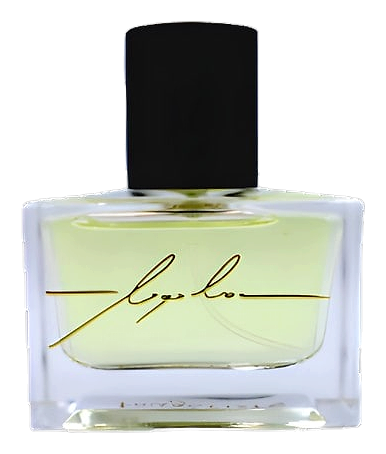
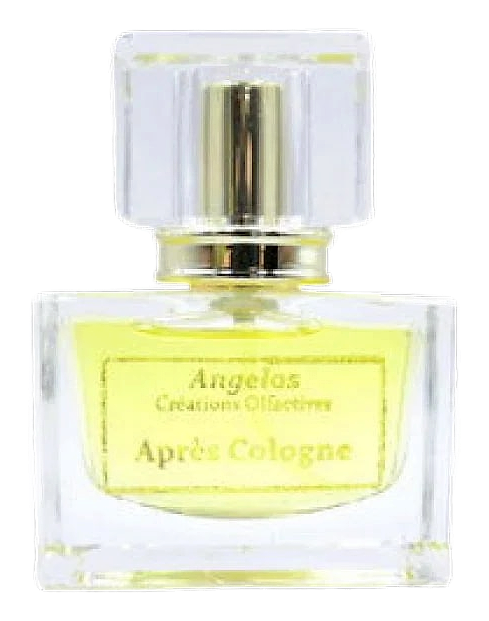
Après Cologne arrived in 2020 from Angelos Créations Olfactives, the work of perfumer Angelos Balamis. The premise behind it was direct: take the cologne category, a format most perfumers treat as an afterthought, and treat it seriously. This was never meant to be a simpler fragrance. It was meant to be a precise one, with every citrus given room to speak and every supporting note earning its place. The composition reads like a citrus survey rather than a standard cologne formula. Seven different citrus materials layer across the top, each contributing its own register, from bright and sharp to sweet and tart, all at once.
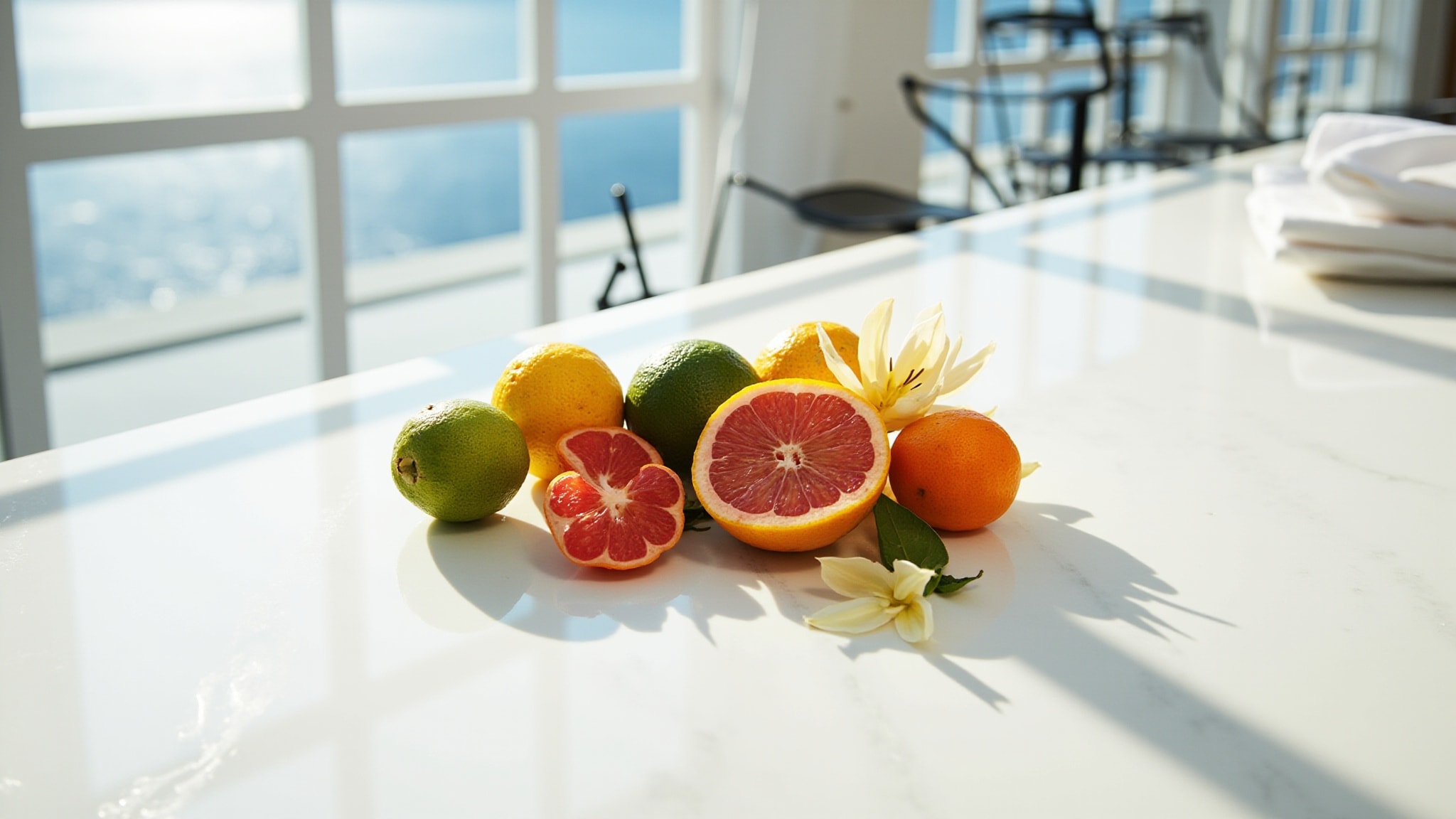
The top is unusual in its ambition. Seven citrus materials land at different registers: bergamot, blood orange, pink grapefruit, lime, red mandarin, and lemon. That's not a typical cologne formula. That's a citrus survey, each fruit pulled into the composition to contribute something specific. The bergamot brings a rounded brightness, the blood orange a deeper, almost berry-like sweetness, the pink grapefruit a sharper bitterness, the lime a clean acidity, the red mandarin a sugary softness, and the lemon a crisp cut that keeps the whole top from going flat.
The evolution
The opening is a full-frontal citrus hit that reads almost neon, bright, sharp, unapologetic. Within fifteen minutes the neroli and petitgrain arrive, pulling the composition from fruit salad toward something more botanical. The orris butter settles in around the hour mark, lending a powdery, slightly root-vegetable softness that one reviewer compared to carrots, and it works because it rounds the edges without dulling them. From here the base takes over, and this is where Après Cologne earns its reputation. The vetiver and Australian sandalwood hold the line for hours, joined by cistus absolute's resinous warmth and a clean musk that keeps everything close to skin. The tea tree adds a faint medicinal cool that never overwhelms but keeps the drydown from going sweet.
Cultural impact
Après Cologne sits in a small but interesting category: colognes that take themselves seriously. The Greek rock samphire and sea-side minerality distinguish it from more conventional citrus compositions, giving it a specific character rooted in its ingredients rather than a generic template. The use of Australian sandalwood and cistus absolute in the base sets it apart from lighter compositions that fade quickly, anchoring the brightness to something with real weight.