The Story
Why it exists.
The beginning
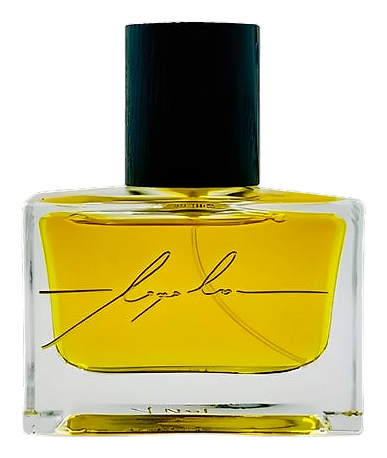
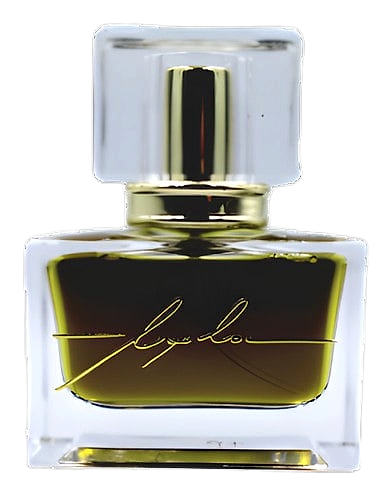
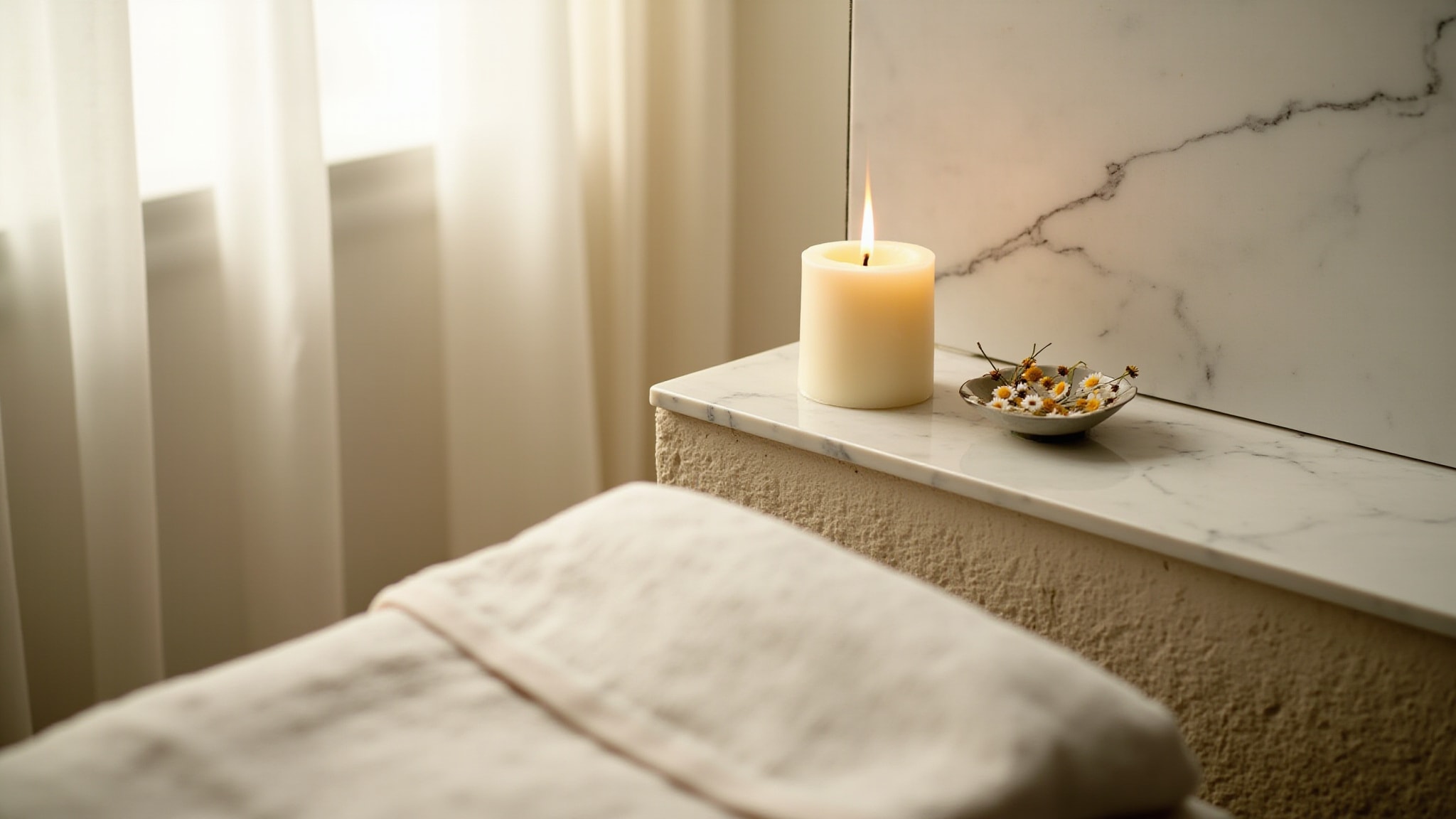
The name is a pun. Salon dt reads as Salon de Thé, the French phrase for a tea room, with dt appended as a nod to the perfumer's scientific background. Angelos Balamis wanted to build a fragrance around the idea of sitting in a proper tea room: the ritual of it, the stillness, the particular quality of light that comes through thin curtains onto porcelain and herb bundles. He didn't want to make something that smelled like tea. He wanted to make something that felt like the room. The brief started with Earl Grey because that's where most tea-room memories begin, the bergamot, the brightness, the first sip. But Balamis layered in black tea absolute, green tea, and mate to give it weight. Red fruits came next: blackcurrant, raspberry leaf absolute, pink grapefruit to keep the opening from going flat. Then the heart, the part that separates this from a cologne.
What makes Salon dt distinctive is the tea structure itself. Most fragrances that reference tea use it as a top-note gesture, something bright and fleeting before the real scent arrives. Here, tea is the architecture. Black tea absolute, green tea, and mate absolute form a layered foundation that gives the heart notes something to rest against. The three chamomile varieties are unusual. Chamomile usually appears as a single material in perfumery, roman or german, sometimes both. Three varieties means three different aromatic profiles: one more bitter, one more floral, one with a faint apple-like quality.
The evolution
The opening hits fast. Bergamot and pink grapefruit arrive first, bright, citrus-sharp, the kind of opening that could wake something up. The blackcurrant follows within minutes, adding a tart berry edge that keeps the citrus from smelling like cleaning product. The raspberry leaf absolute is quieter, more green than fruity, threading through the top like a stem. By the time you reach the heart, the citrus has settled. What takes over is chamomile, three varieties working together, creating a herbal softness that feels intentional rather than accidental. The osmanthus absolute adds a bruised apricot note that surprises. Jasmine and mimosa layer in, florals that smell expensive rather than pretty. Nutmeg keeps them honest. The camphor wood surfaces around the forty-minute mark, adding a faint medicinal coolness that prevents the heart from going too soft. The drydown is where patience pays off. Lily of the valley arrives first, a clean floral that bridges the heart and base.
Cultural impact
Salon dt has found its audience among niche fragrance wearers who want something more textured than mass-market options. The tea-forward structure appeals to those who appreciate Le Labo's approach to conceptual perfumery but want something with a more specific story. The 2021 launch placed it in a niche market that was beginning to value quiet complexity over loud statements.