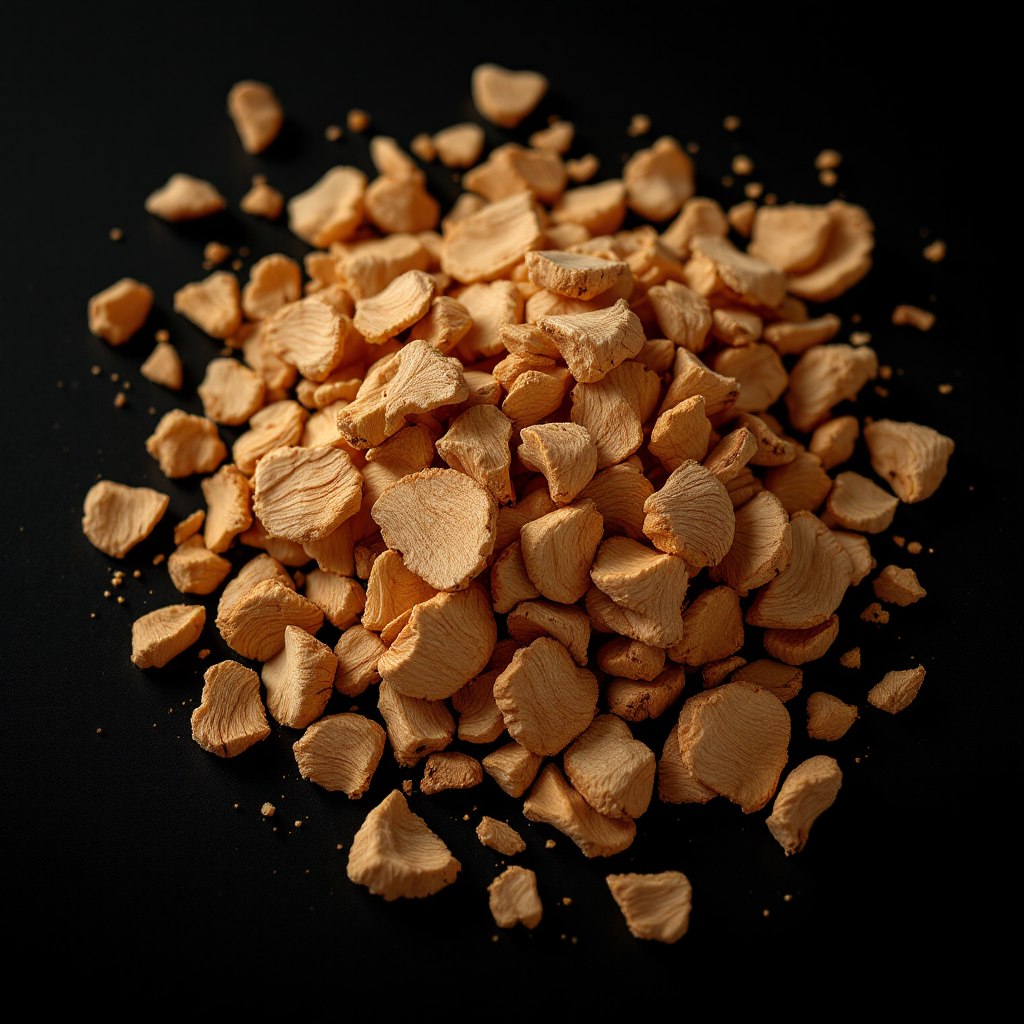
Camphor Wood
A piercing, crystalline note that delivers immediate cold—camphor's sharp medicinal transparency has lifted fragrances since antiquity, adding clean lift to woody and herbal compositions without warmth.
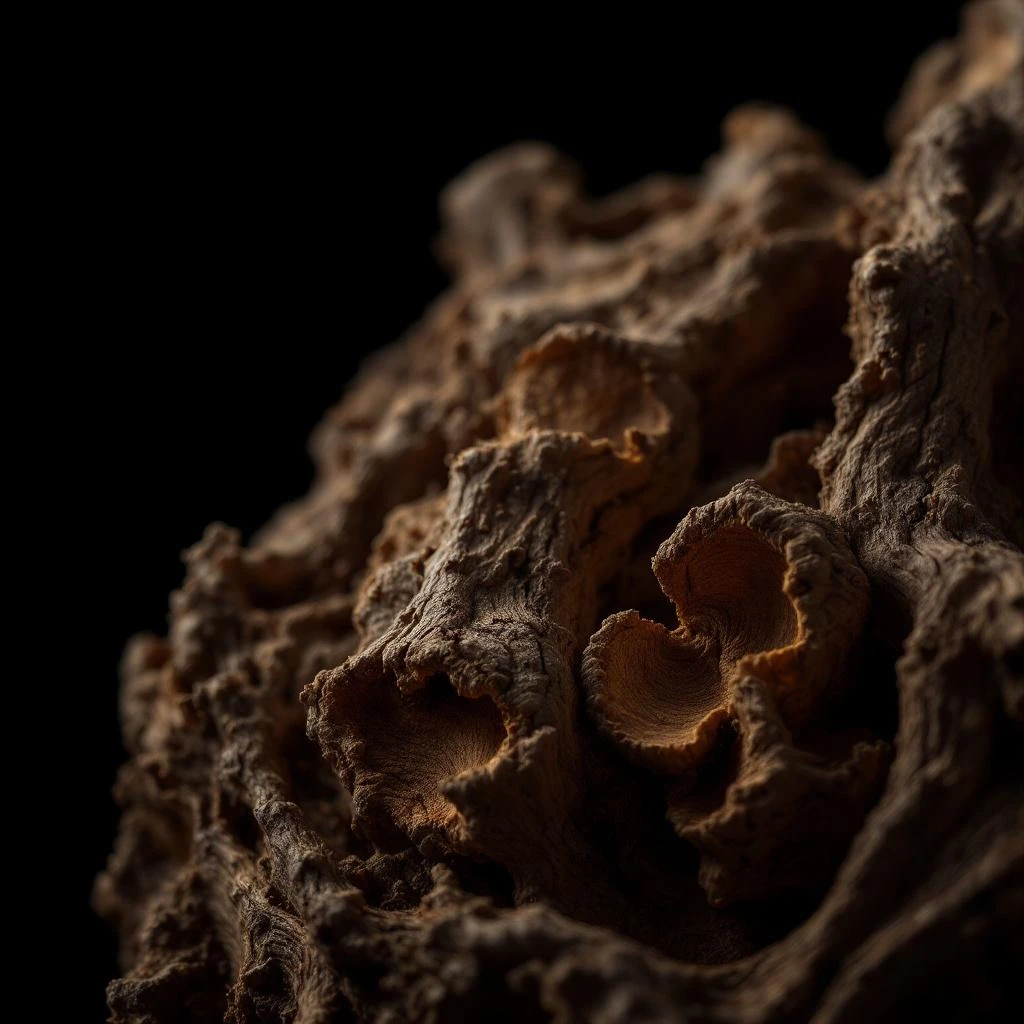
Character
How it smells
The cold at the heart of ancient apothecaries.
Camphor trees can live for over 1,000 years, and their wood must be aged decades before producing the crystals prized in perfumery and medicine.







Origin
China
Camphor holds one of the oldest documented positions among aromatic materials in human civilization. Ancient Egyptians coveted camphor wood for perfumery and incorporated it into embalming fluids, while Babylonians reserved it for sacred incense in temple rituals. During the Black Death pandemic of 14th-century Europe, people burned camphor extensively as a fumigant, believing its sharp vapor could ward off miasma and infection.
Chinese texts describe its use in funeral rites and traditional medicine dating back millennia. Researchers later demonstrated that camphor triggers specific emotional responses—happiness or surprise—showing high correlation between its hedonic evaluation and basic human emotions. The camphor tree itself became so historically significant that the city of Hiroshima was known as "Camphor City" before World War II, named for the abundance of ancient camphor trees in the region.
Modern perfumery continues drawing on this millennia-old material, using it to inject transparency and lift into compositions spanning classic masculine fragrances to contemporary woody creations.
Wears it best
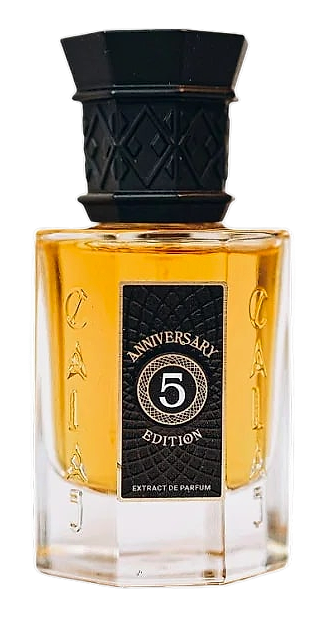
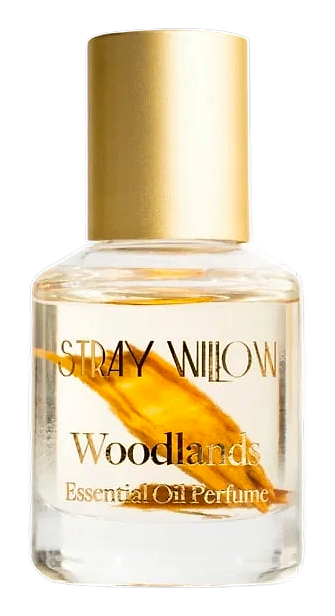
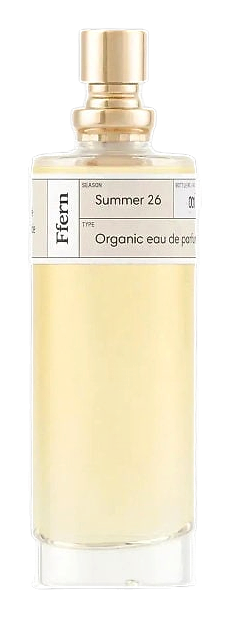
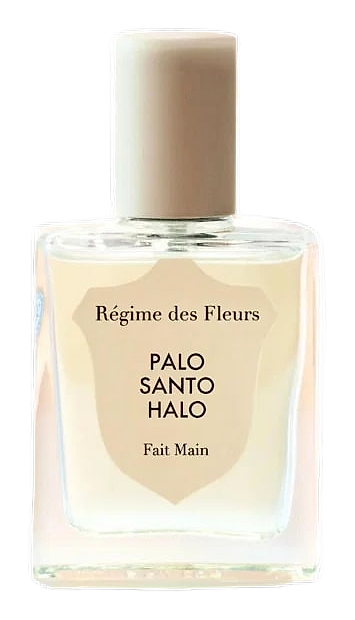
Fragrances featuring Camphor Wood

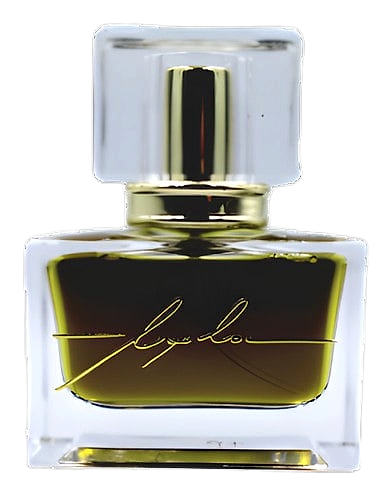
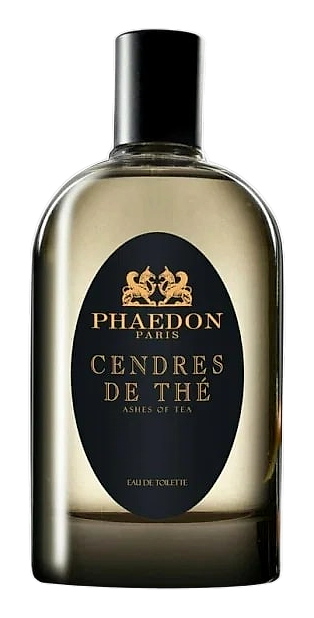
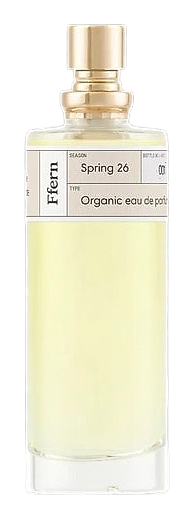
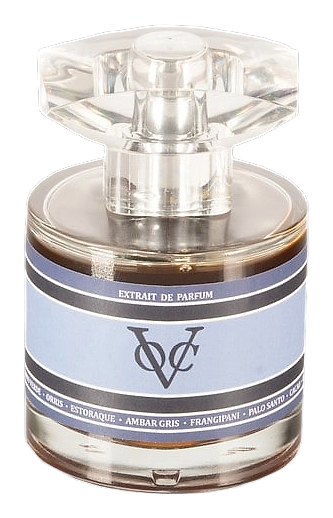


Brands
Brands known for Camphor Wood
Good to know
Questions, answered
The essentials on Camphor Wood in perfumery: how it smells, where it comes from, and how it behaves on skin.
What does camphor smell like?
Camphor opens with an intensely sharp, almost numbing cold that is drier than eucalyptol and sharper than menthol. It lacks warmth or sweetness—a transparent, medicinal chill with no botanical softness to soften the edges. On blotter, it registers as clean and clinical, leaving a faintly resinous trail that provides lift to herbal and woody bases.
Is camphor safe to use in fragrance?
Camphor is safe in topical applications when properly diluted. IFRA guidelines require awareness during formulation, and professional perfumers use it at low concentrations. It should never be ingested. The compound is a known skin sensitizer at high concentrations, and products intended for young children should avoid it entirely.
Which famous fragrances use camphor?
Camphor appears in masculine classics like Dior Eau Sauvage (1966), where it amplifies the citrus-herbal freshness, and Antonio Puig Quorum (1982), adding a crisp barbershop edge. Serge Lutens Feminite du Bois and Tauer L'Air du Desert Marocain demonstrate its versatility in more contemporary compositions, lending dry mineral and sun-baked qualities to woody-amber cores.
What was camphor used for historically?
Ancient Egyptians used camphor in perfumery and embalming. Babylonians burned it as temple incense. During the Black Death pandemic in 14th-century Europe, people burned camphor as a fumigant, believing its sharp vapor repelled disease. Chinese civilization documented camphor in funeral rites and traditional medicine for thousands of years.
What is the difference between natural and synthetic camphor?
Natural camphor comes from steam-distilling Cinnamomum camphora wood. Synthetic camphor, now dominating global supply, is produced from alpha-pinene via camphene. The natural d-(+)-camphor enantiomer is preferred in perfumery for its cleaner, brighter camphoraceous tones. The racemic synthetic mixture often carries musty undertones absent from the natural form.
How is camphor extracted?
Natural camphor is extracted by steam distilling wood and bark from mature Cinnamomum camphora trees. Fractional distillation separates the oil into white, brown, and blue fractions. Only the white fraction—lightest and least terpenic—meets perfumery standards. The crude product undergoes further refinement through sublimation, passing from solid directly to vapor and recrystallizing into pure form.
What other materials share camphor's scent profile?
Rosemary oil contains 15 to 25 percent camphor, giving it a similar sharp, medicinal edge. Sage oil and spike lavender oil also carry significant camphor content. Eucalyptol (1,8-cineole) offers a related cool transparency but softer and greener than pure camphor. These materials are often described collectively as "camphoraceous."
What fragrance families pair well with camphor?
Camphor bridges herbal and woody territories. It pairs naturally with rosemary, clary sage, and eucalyptus in fresh, aromatic compositions. In woody fragrances, it lifts cedar and vetiver without adding sweetness. Camphor also threads through fougere structures, where its transparency sharpens lavender and oakmoss contrasts.