The Story
Why it exists.
The beginning
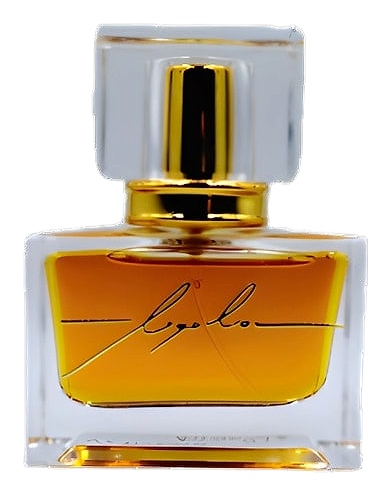
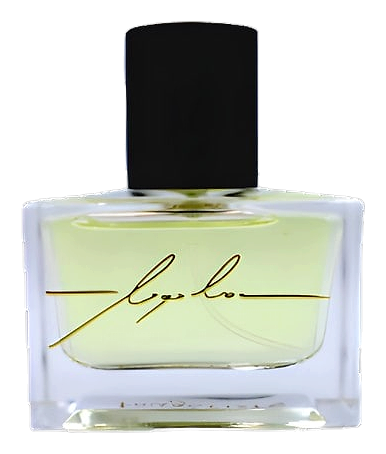
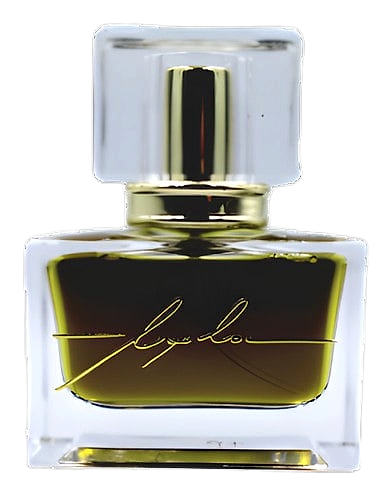
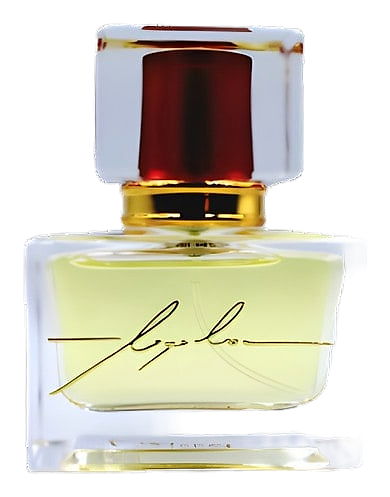
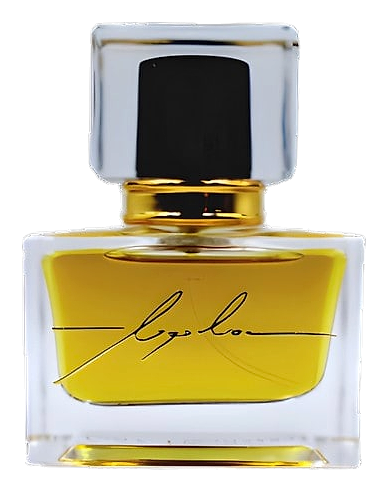
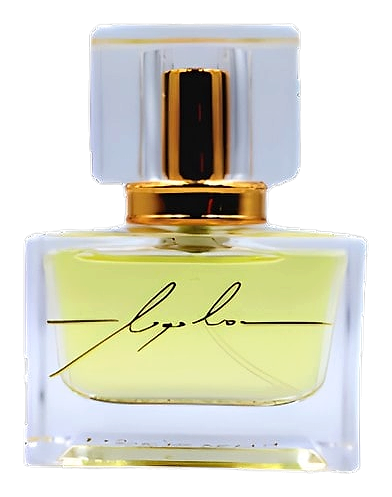
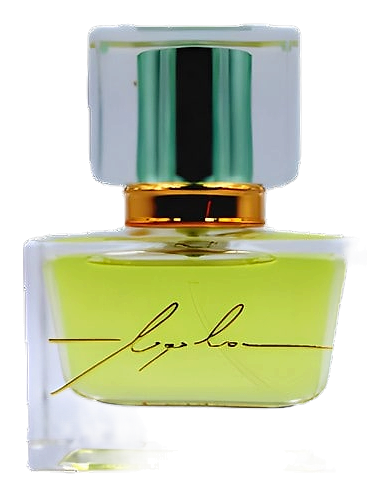
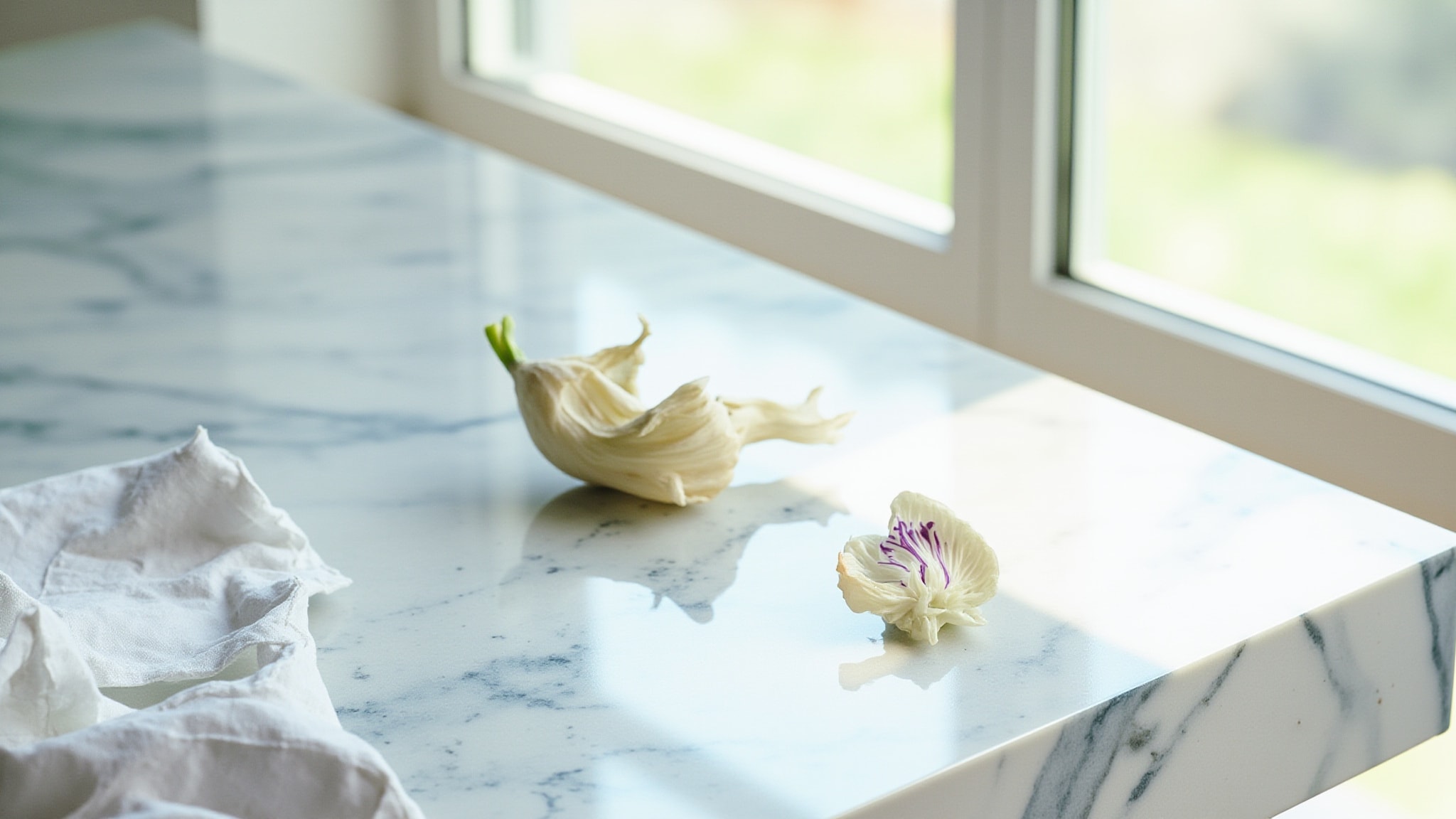
Irida takes its name from the Greek goddess of the rainbow, but also the iris flower itself, with its striking purple petals and precious root. For Angelos Balamis, the iris root (orris butter) is personal. He describes it as one of his most-used and most-loved raw materials, and this fragrance is his full portrait of it. Not just the flower everyone recognizes, but the root beneath the surface, the part that takes months to process and carries a complexity no synthetic can replicate. Balamis wanted to present every facet of this ingredient: dry, powdery, violet, green, aromatic, woody. All of them dancing in balance. That's the brief. That's Irida.
The iris root used here isn't an afterthought, it's the protagonist. Orris butter requires months of curing before it can even be used in a formula, and the result is a material that smells like nothing else: simultaneously floral and earthy, powdery and fresh, violet and carrot-green. This is why most fragrances use synthetic substitutes, the real thing is expensive and temperamental. Irida doesn't compromise. The carrot seed in the heart amplifies that earthy, slightly savory quality, while clove and cinnamon bring warmth that prevents the whole composition from reading as cold or clinical.
The evolution
The opening is green and almost ozonic. Violet leaf absolute arrives first, crisp and wet, like crushed stems, then the Tunisian neroli brightens it with a clean, slightly soapy floral note that keeps things feeling airy. Around fifteen minutes in, the orris announces itself. This is where the fragrance shifts. Dry, powdery, with that earthy, slightly medicinal iris character that distinguishes real orris from synthetic. The heart builds from there: carrot seed adds a subtle herbaceous depth, clove and cinnamon bring warmth, jasmine softens the composition with a quiet floral sweetness. The transition isn't dramatic, it's a gradual warming. By the second hour, the spices have settled and the powdery iris has become the permanent resident. The drydown is where the sandalwood and vetiver take over, creamy, smoky, intimate. Close to the skin but persistent. The next morning, there's still something there: a quiet wood-powder trace on fabric, the ghost of the iris root refusing to fully leave.
Cultural impact
Irida arrived at a moment when niche perfumery was embracing Iris as a signature material after decades of mainstream perfumery favoring other florals. The 2018 launch by Greek indie house Angelos Créations Olfactives coincided with a broader cultural reappraisal of powdery, root-based fragrances. Iris has ancient Greek associations with the goddess Iris, lending the scent cultural resonance beyond its olfactory qualities. Balamis's decision to build a soliflore around the root rather than the flower positioned Irida within the iris revival that enthusiast communities had championed since the early 2000s.