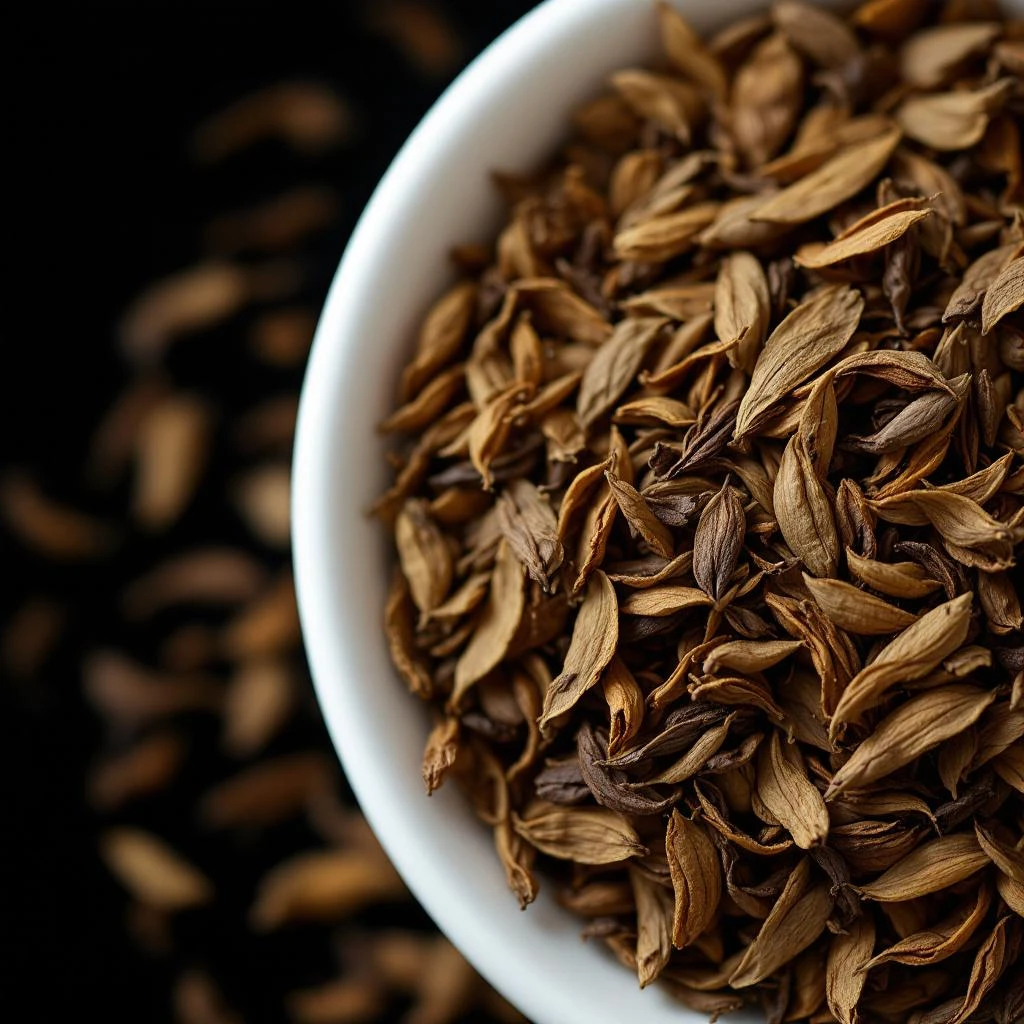
Greek Rock Samphire
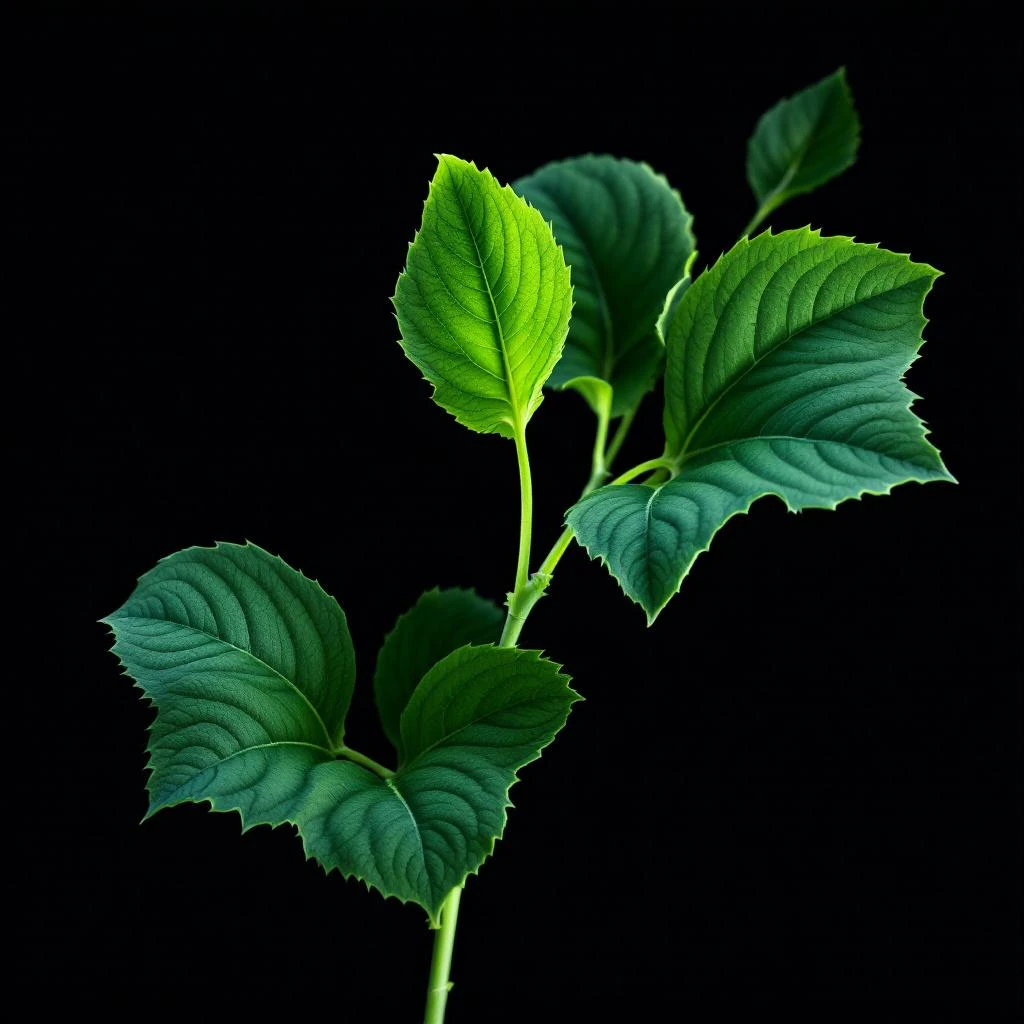
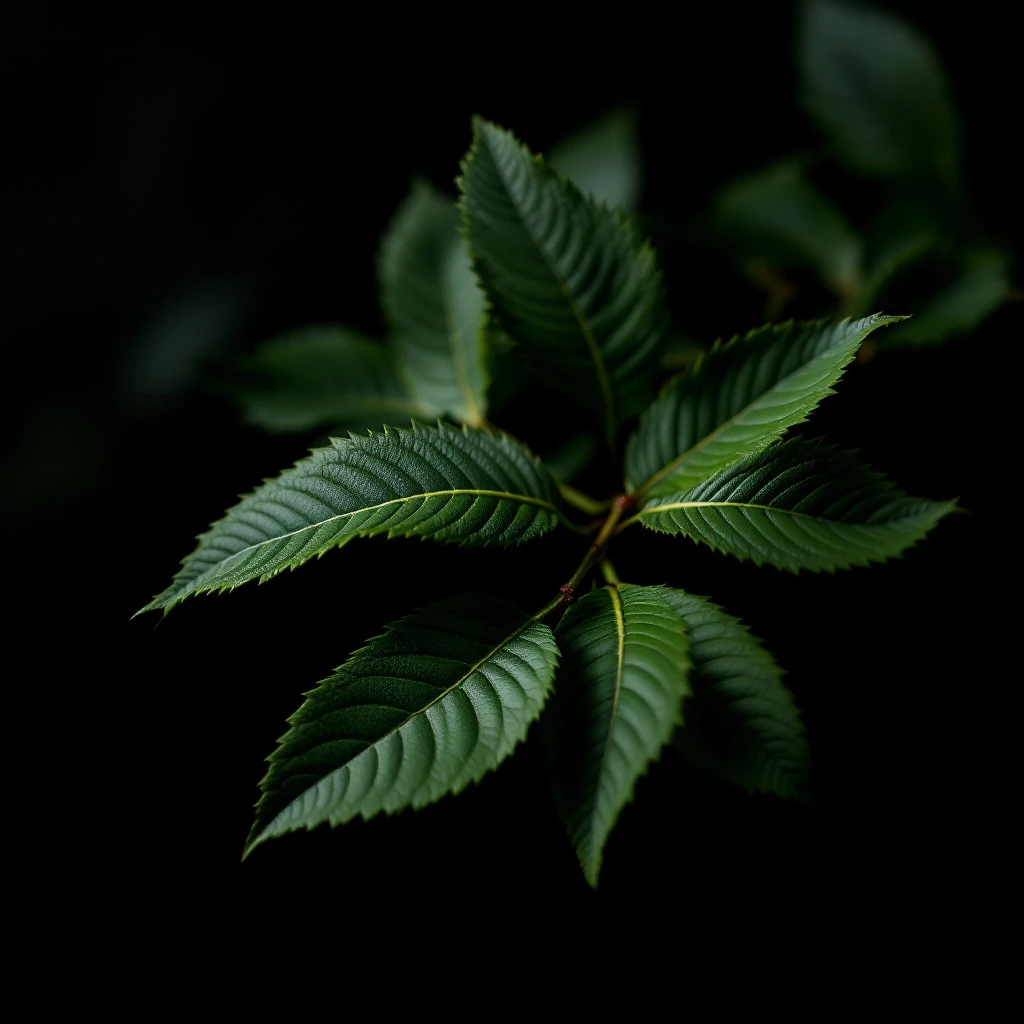
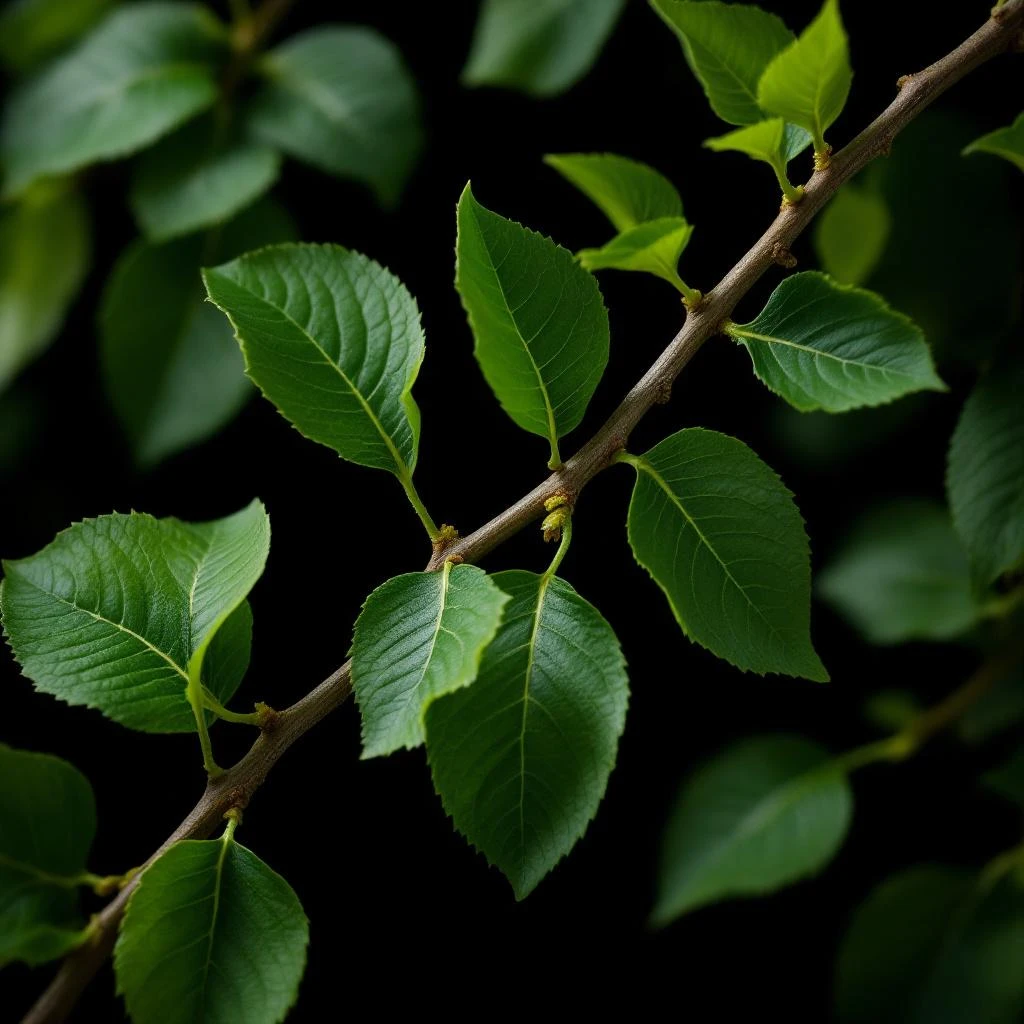
Greek Rock Samphire, known as kritamo, grows wild along Mediterranean cliffs and has perfumed oils since antiquity. Its crisp, saline character with green herbal bite anchors niche fragrances seeking a coastal edge.
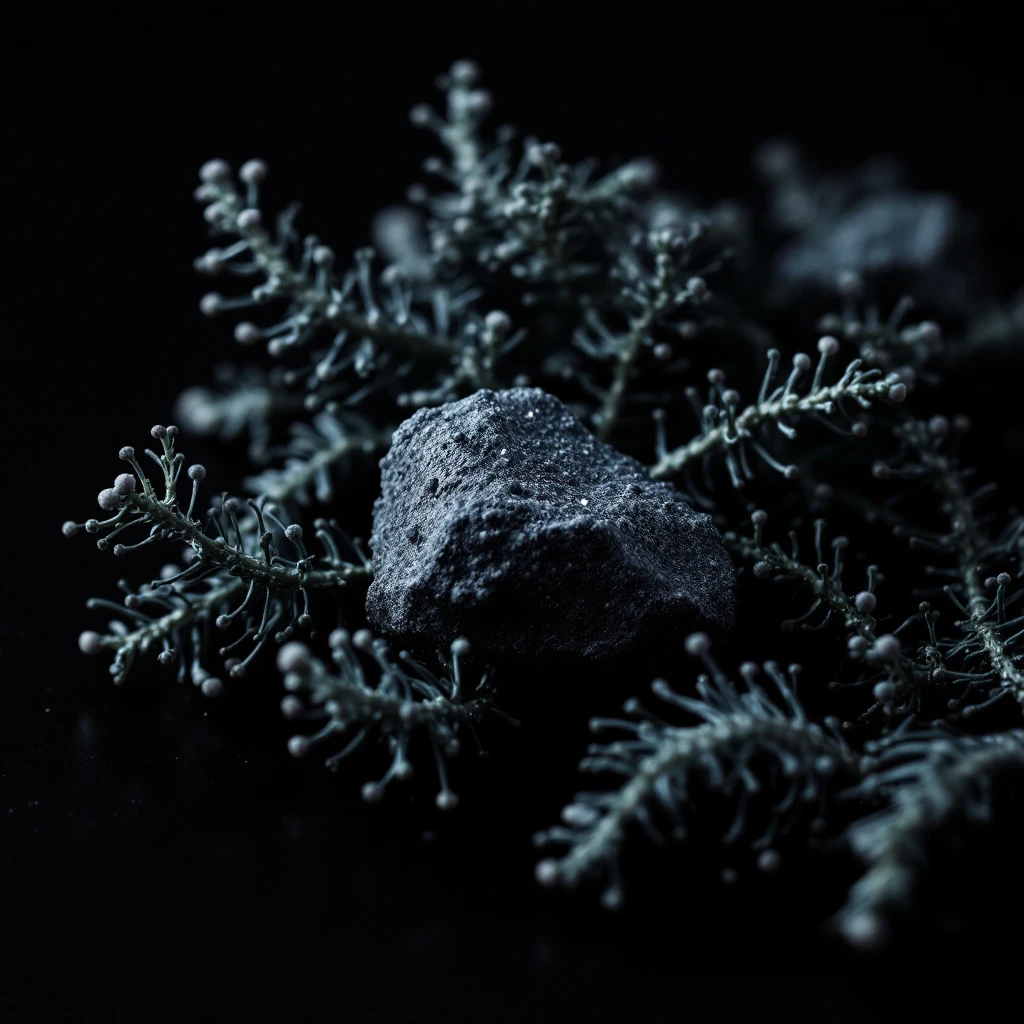
Character
How it smells
Salty cliffs bottled in green aromatic oil
Theophrastus documented rock samphire in his 5th-century BCE treatise On Odours, making it one of the earliest aromatic ingredients recorded in perfumery literature.





Origin
Greece
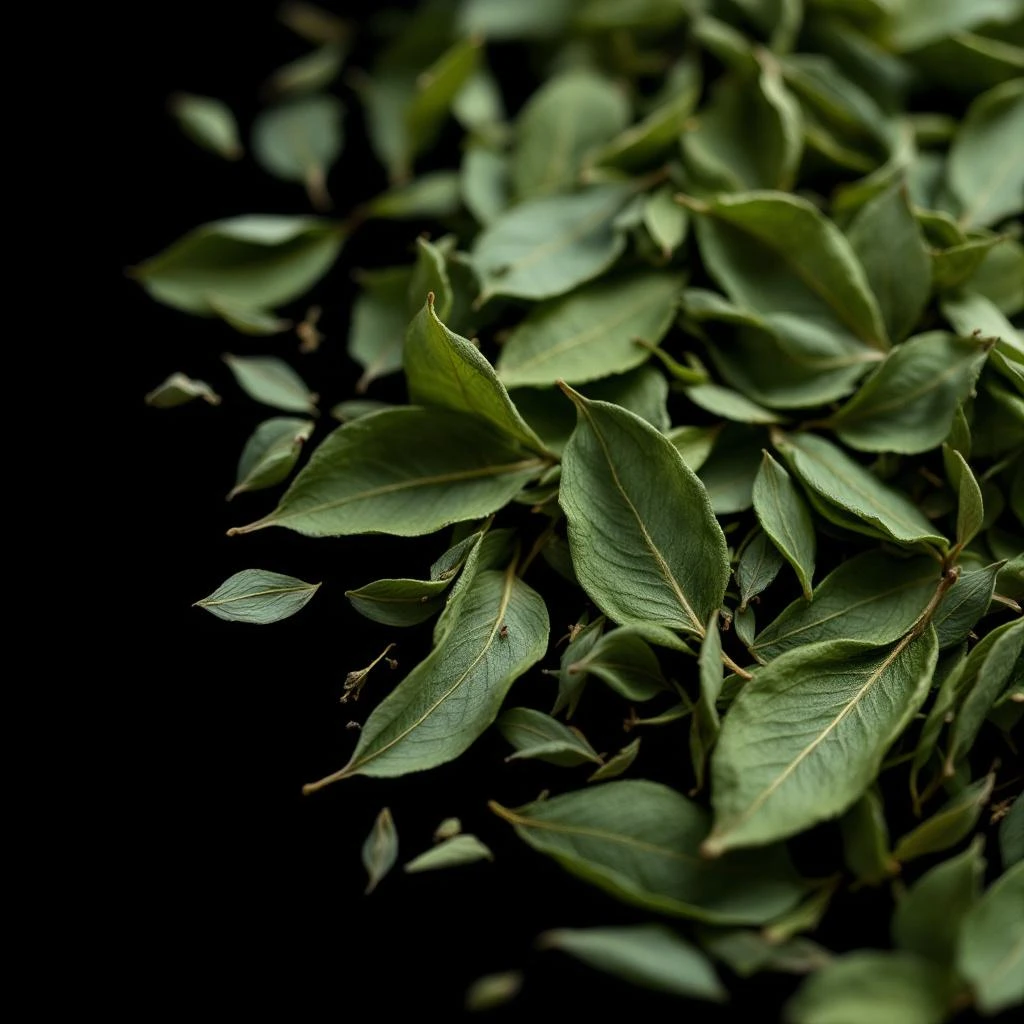
Rock samphire (Crithmum maritimum) was known to ancient Greek perfumers as kritamo and appears in Theophrastus's 4th-century BCE botanical writings, where he catalogued its aromatic and medicinal properties. Greek perfumers on Crete and the Cyclades steeped the fresh herb in heated olive and almond oils for days, extracting its essence into unguents that featured in temple rituals and aristocratic grooming. Beyond perfumery, classical Greeks preserved it in brine for winter use, and the physician Dioscorides later praised its digestive benefits in De Materia Medica.
The Romans carried the plant across their empire, and Byzantine herbalists maintained its reputation through the medieval period. During the Renaissance, samphire appeared in European pharmacopoeias as a stimulant and appetite aid. Modern Greek coastal communities still pickle the plant as a meze, served alongside ouzo.
Its return to contemporary niche perfumery reflects renewed interest in historically documented aromatics from the Mediterranean basin.
Wears it best
Fragrances featuring Greek Rock Samphire
Brands
Brands known for Greek Rock Samphire
Good to know
Questions, answered
The essentials on Greek Rock Samphire in perfumery: how it smells, where it comes from, and how it behaves on skin.
What does Greek Rock Samphire smell like?
It offers a crisp, salty-green aroma with herbal sharpness and faint citrus-lift. The marine quality recalls sea air and coastal vegetation, grounding bright top notes in natural, mineral freshness.
Is Greek Rock Samphire the same as sea fennel?
Yes, they are the same plant: Crithmum maritimum, called kritamo in Greek and sea fennel or rock samphire in English. It grows wild on Mediterranean sea cliffs.
Where does Greek Rock Samphire grow?
It thrives along coastal cliffs and rocky shorelines throughout Greece, particularly on Crete, the Cyclades, and Ikaria. Salt spray and mineral-rich soils shape its distinctive chemistry.
When was rock samphire first used in perfumery?
Greek perfumers documented its use by at least the 5th century BCE, when Theophrastus described aromatic plants in his treatise On Odours.
How is Greek Rock Samphire oil extracted?
Producers use steam distillation of the fresh aerial parts shortly after harvest. Some modern perfumers also create solvent absolutes for a rounder, more saline profile.
Why is Greek Rock Samphire expensive?
Its essential oil yield is low, often below 0.3 percent by weight, and harvesting remains manual on inaccessible coastal cliffs. Limited supply meets growing niche-perfumery demand.
Can rock samphire be eaten?
Yes. Greeks have eaten it since antiquity, pickling the fresh plant in brine as a meze for ouzo. It retains nutritional and culinary value today.
Does rock samphire work as a natural medicine?
Classical Greek physicians, including Dioscorides, prescribed it for digestion and appetite. Modern research confirms antioxidant and diuretic properties, though perfumery drives most current commercial demand.