The Story
Why it exists.
The beginning
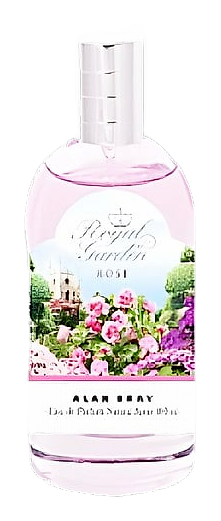
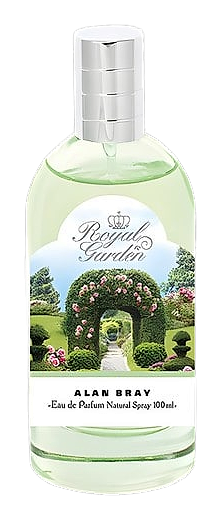
Alan Bray built Royal Garden in 2014, a composition that treats fragrance as an exercise in unexpected pairings. Royal Garden reads as one of those pairings made literal: fruit against petal against resin, nothing performing harder than it has to. The perfumer here is Alan Bray himself, shaping a composition that wears its white floral heart on a vanilla-amber spine. It's a scent built around the idea that a garden doesn't have to be loud to feel alive. The bright top opens with crisp green leaves and a burst of fig, that milky-sweet fruit character arriving right at the surface before the floral architecture takes over.
What makes Royal Garden structurally interesting is the restraint. Most fruity-floral compositions lean on the fruit for their opening hook and then coast on a flat sweetness. Here, the pear and mandarin do their bright work and then surrender cleanly to jasmine and heliotrope. The heliotrope is the quiet trick, that almond-adjacent softness that reads as skin rather than syrup. Then the amber-vanilla base doesn't try to add warmth through smoke or spice. It just settles. The result is a composition that feels composed rather than constructed. Nothing peaks too hard. Nothing disappears too fast.
The evolution
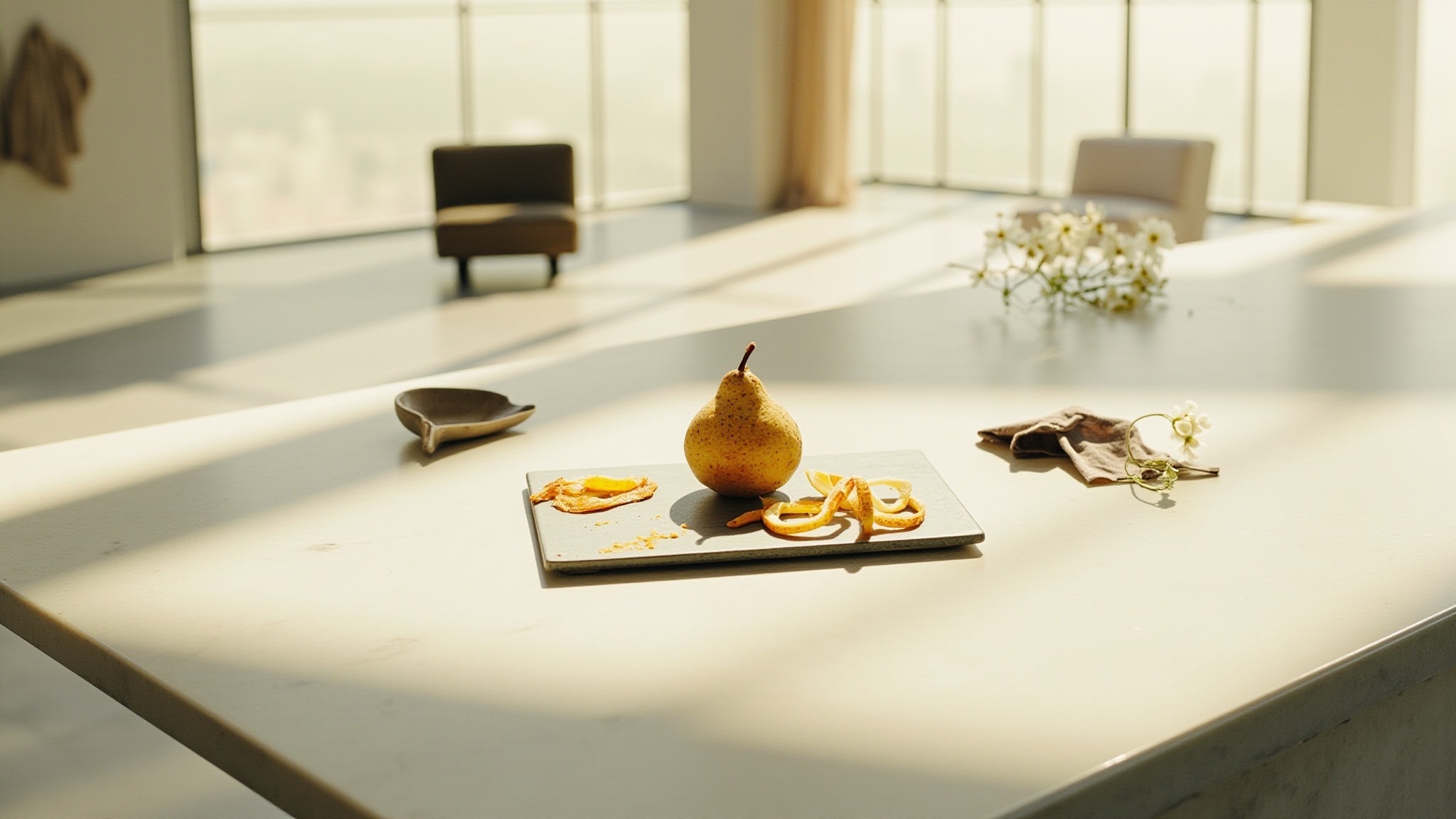
The first twenty minutes are all orchard. Pear opens sweet and slightly green, mandarin adding a zing that keeps the sweetness from going flat. It smells like the fruit bowl on a table that hasn't been set yet, bright, a little cold, a little inviting. Around the thirty-minute mark the jasmine arrives, not soapy, not indolic, just present, the way jasmine works in a garden when the wind shifts. Heliotrope comes alongside it, powdery, faintly almond, softening the edges of everything that came before. The composition stops smelling like fruit and starts smelling like skin wearing fruit. After two hours the vanilla comes through clearly, amber underneath it, and the whole thing settles into a warm, slightly sweet, slightly powdery close that clings to the skin for another three to four hours. By the end of the day what's left is a faint vanilla-heliotrope trace, the kind of scent you catch on your own wrist and don't quite recognize.
Cultural impact
Royal Garden sits in Alan Bray's catalogue as one of the brand's accessible floral-fruity entries, a composition that doesn't try to provoke a reaction so much as offer a clear, legible pleasure. Production on this one was apparently discontinued, which shifts how the fragrance circulates among wearers who come across it. The scent itself reads as a study in restraint, fig and green leaves opening brightly before the floral heart of gardenia, orange blossom, and jasmine takes over, then a soft landing on vanilla, benzoin, and sandalwood. Nothing in the structure feels like it's reaching for shock value.
The House
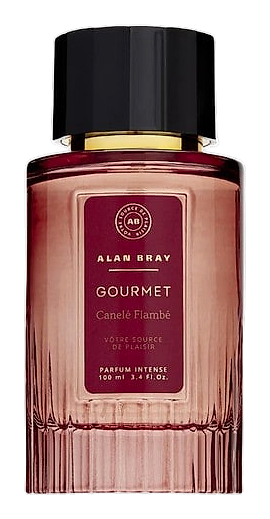
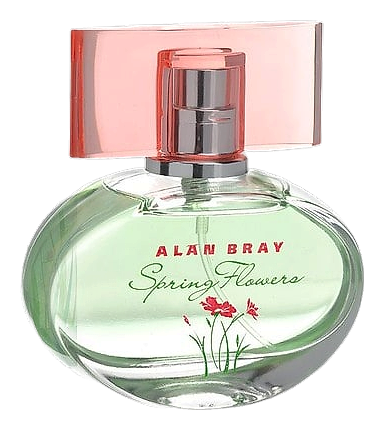
Alan BrayAlan Bray is a niche perfume house that builds a catalogue of more than ninety scents since the early 2000s. The brand releases fragrances that often pair unexpected ingredients, such as cherry and almond in its Canelé Flambé (2024) or the bright floral accord of Spring Flowers (2013). Each launch arrives with a distinct personality, inviting collectors to explore a spectrum that ranges from the masculine L'Homme Noble (2025) to the daring High Society L'Imperatrice (2024). The label operates out of Paris and reaches a global audience through specialty retailers and online platforms.
The Creator
Alan BrayBray’s signature technique rests on a single, bold accord that dominates the composition. In Cherry Almond he pairs bright, fermented cherry with warm, nutty almond oil, letting the two notes intertwine for twelve hours without fading.