
The Story
Why it exists.
The beginning
Greenland arrived in 2012 from the house of Alan Bray, with Alan Bray himself composing the formula and working hands-on with each composition. The name points north, toward ice and clean air, but the composition itself chooses warmth, which is the whole tension of the fragrance. Rather than cold aromatics or aquatic notes, the structure leans into the spices and woods you'd reach for after coming in from the cold. Nutmeg and white pepper supply the bite up top, prickly and warming in equal measure. Virginia cedar and crystal musk supply the shelter below, wrapping the drydown in a clean, woody hush. The result reads more like a cabin than a glacier, more fireplace than fjord, even though the name suggests otherwise.
Greenland works because it inverts the geography the name implies. Where 'Greenland' might suggest crispness, transparency, water, or sheer mineral freshness, the actual composition chooses the opposite mood. Citrus brightens the entry, but it tags along with white pepper rather than floating free, and the base commits firmly to wood and musk. That inversion matters more than it sounds. A lot of fresh-aromatic fragrances lean on the same three or four materials and wind up smelling interchangeable. Greenland avoids that trap by pairing the spicy-woody structure with a citrus opening that has just enough edge to feel deliberate.
The evolution
The first 15 minutes belong almost entirely to the citrus and white pepper combination, bright and almost peppery-sharp, the kind of opening that gets noticed across a desk. Nutmeg softens the edges within the half hour, warm and slightly sweet, and the Virginia cedar starts showing up before the hour mark. From there the composition settles into its woody register. The musk develops over the next several hours, blending with cedar into a smooth, dry warmth that reads close to skin rather than projecting outward. By the 4-hour mark the citrus is mostly memory and the pepper has mellowed into the wood, leaving a cedar-and-musk finish that holds steady through the rest of the day. On a sweater the next morning it reads faintly woody, slightly sweet, still intact.
Cultural impact
Greenland by Alan Bray arrived in 2012 as a release built around a citrus-pepper opening and a cedar-musk base, a combination that does most of the talking throughout the wear. The fragrance leans on white pepper in the top, paired with nutmeg and a bright citrus lift that reads almost like grated zest rather than anything overtly juicy. That initial snap fades within the first half hour, giving way to Virginia cedar and crystal musk that carry most of the drydown in a quiet, woody register.
The House
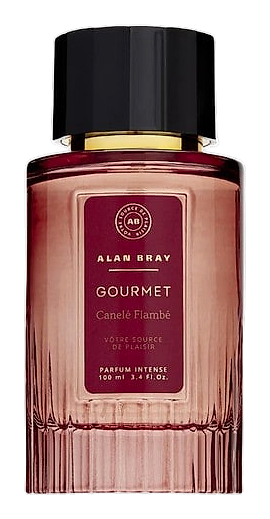
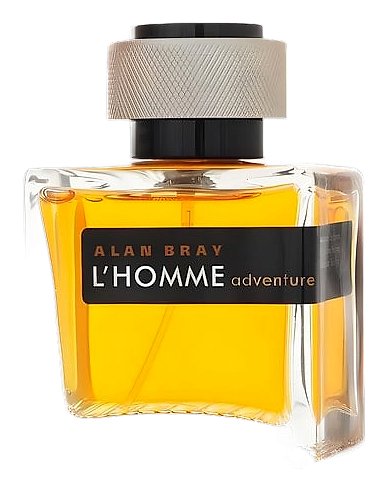
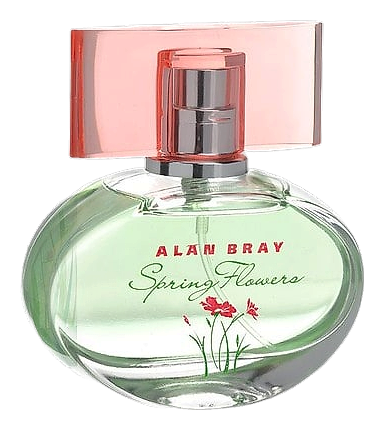
Alan BrayAlan Bray is a niche perfume house that builds a catalogue of more than ninety scents since the early 2000s. The brand releases fragrances that often pair unexpected ingredients, such as cherry and almond in its Canelé Flambé (2024) or the bright floral accord of Spring Flowers (2013). Each launch arrives with a distinct personality, inviting collectors to explore a spectrum that ranges from the masculine L'Homme Noble (2025) to the daring High Society L'Imperatrice (2024). The label operates out of Paris and reaches a global audience through specialty retailers and online platforms.
The Creator
Alan BrayBray’s signature technique rests on a single, bold accord that dominates the composition. In Cherry Almond he pairs bright, fermented cherry with warm, nutty almond oil, letting the two notes intertwine for twelve hours without fading.