The Story
Why it exists.
The beginning
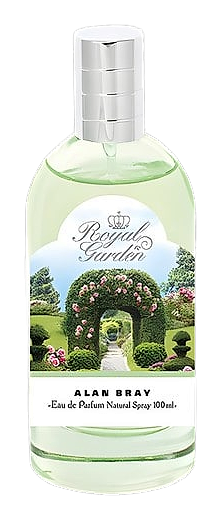
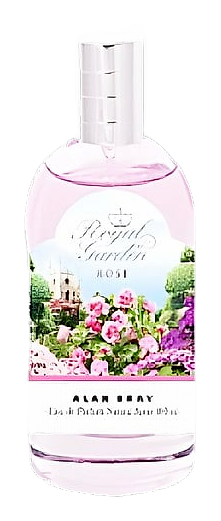
Alan Bray built Royal Garden Rose in 2014, and the name makes no attempt to hide what it is. A rose composition, front and center, composed by a perfumer who clearly wanted to wear something floral on a Tuesday in May. The bottle carries the title with no qualifier, no clever subtext, no suggestion that the rose is a metaphor for something else entirely. It is what it says it is, and there's something refreshing about that directness. You wear it because you want to smell like a garden, not because you're signaling membership in some abstract olfactory club.
What makes Royal Garden Rose worth attention is the structure underneath the bloom. Instead of leaning on heavy base notes to anchor the rose, the perfumer built the composition around grapefruit and pear for opening brightness, then let ylang-ylang carry the later stages where denser materials usually settle in. Each of the four named ingredients earns its place through what it adds rather than what it weighs down. The result is a rose that breathes rather than sits, staying translucent where so many florals turn opaque.
The evolution
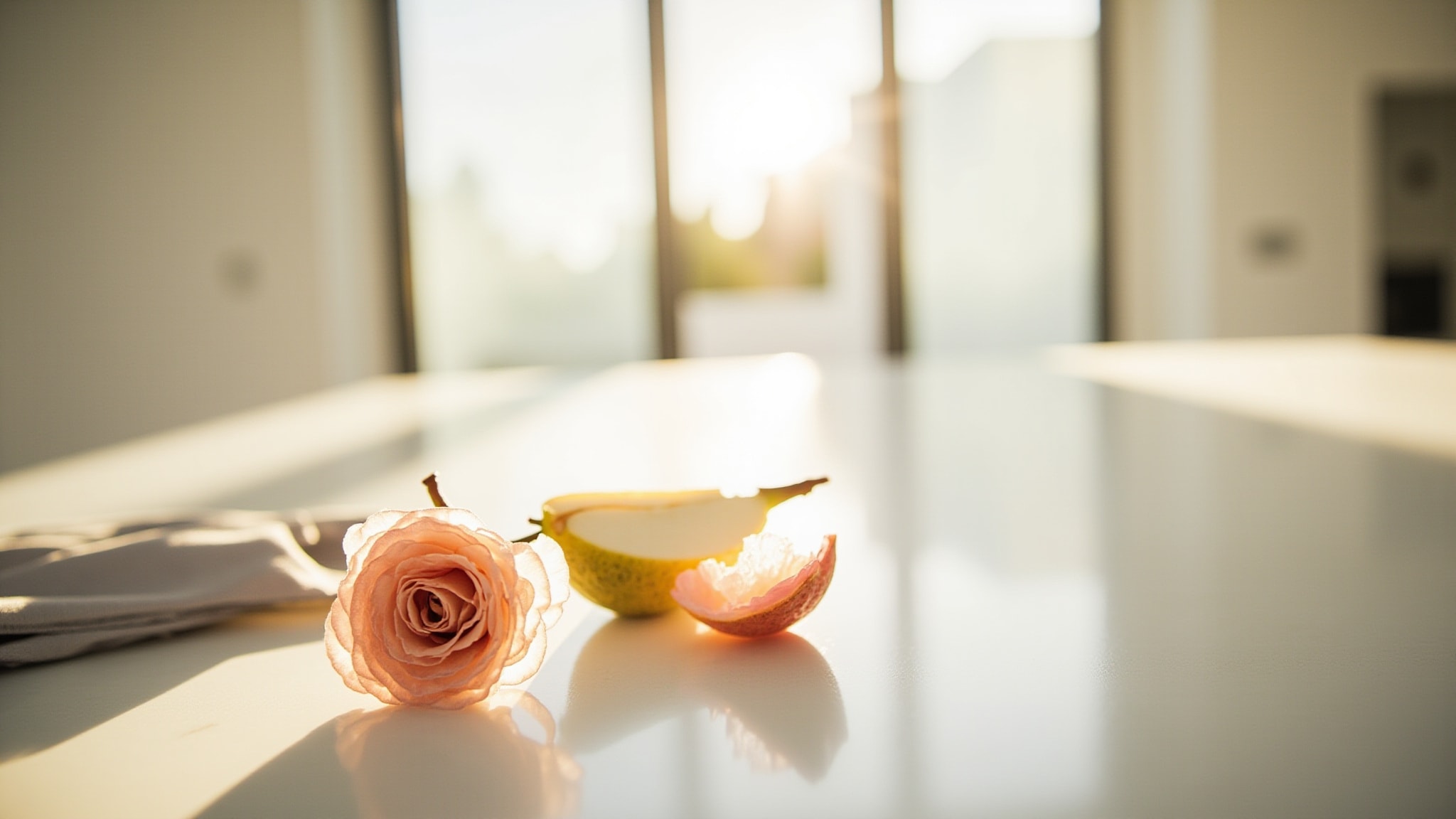
The opening belongs to grapefruit and pear, lifting off the skin with a brightness that almost reads as effervescent. You check your wrist twice because it doesn't announce itself as floral yet. Then the rose arrives, full and unapologetic, joined by jasmine that adds a creamy edge to the petals. As the composition settles, the florals recede slightly and ylang-ylang takes the floor, bringing a banana-skin warmth that softens the edges without dulling the picture. The drydown turns unexpectedly golden, the kind of scent that clings to a sweater the next morning and still smells deliberate. On skin it holds well through the day, and on fabric it lingers even longer. The journey is short but every chapter earns its place.
Cultural impact
Royal Garden Rose sits in an interesting corner of the Alan Bray catalogue. Most releases from the house lean into gourmand territory or geographic storytelling, so a straightforward floral reads as a deliberate choice rather than a default. It reads as the perfumer playing the classics without leaning on a single dominant accord to carry the composition, and that restraint is what makes it stand apart from more crowded florals in the wider market. The release feels like an exercise in confidence, proof that a rose can hold its own without backup dancers.
The House
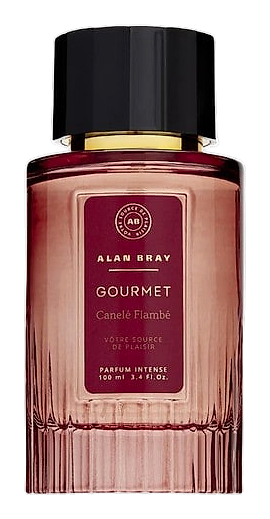
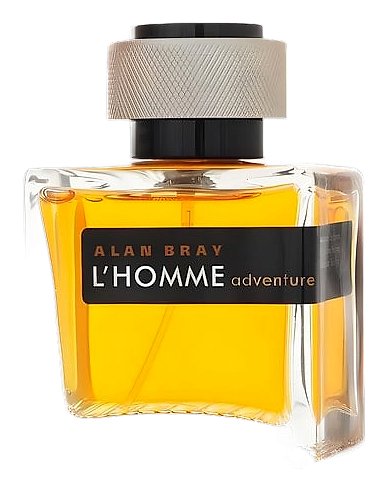
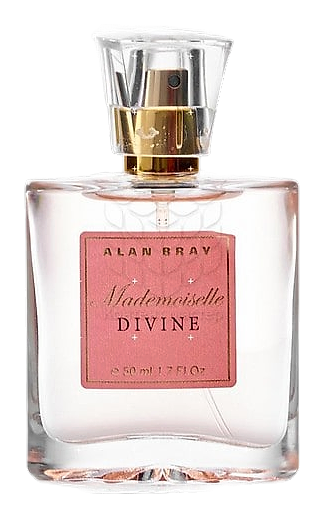
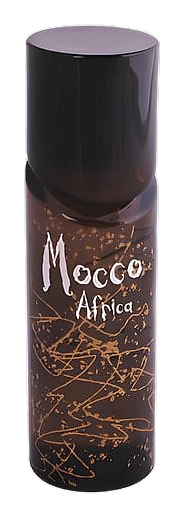
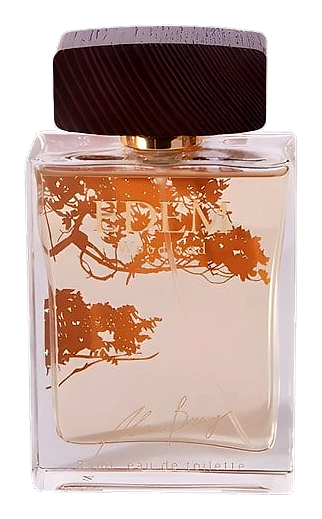
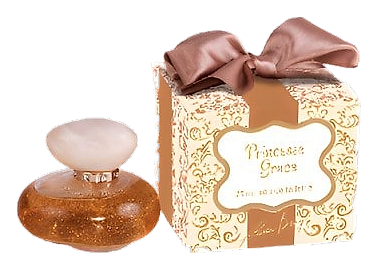
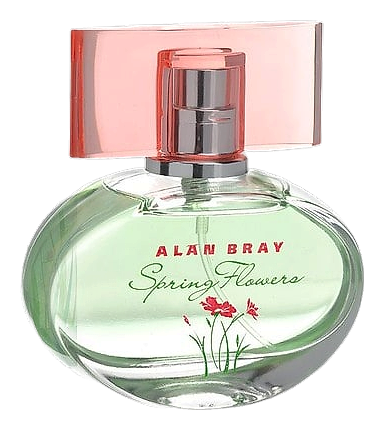
Alan BrayAlan Bray is a niche perfume house that builds a catalogue of more than ninety scents since the early 2000s. The brand releases fragrances that often pair unexpected ingredients, such as cherry and almond in its Canelé Flambé (2024) or the bright floral accord of Spring Flowers (2013). Each launch arrives with a distinct personality, inviting collectors to explore a spectrum that ranges from the masculine L'Homme Noble (2025) to the daring High Society L'Imperatrice (2024). The label operates out of Paris and reaches a global audience through specialty retailers and online platforms.
The Creator
Alan BrayBray’s signature technique rests on a single, bold accord that dominates the composition. In Cherry Almond he pairs bright, fermented cherry with warm, nutty almond oil, letting the two notes intertwine for twelve hours without fading.