
The Story
Why it exists.
The beginning
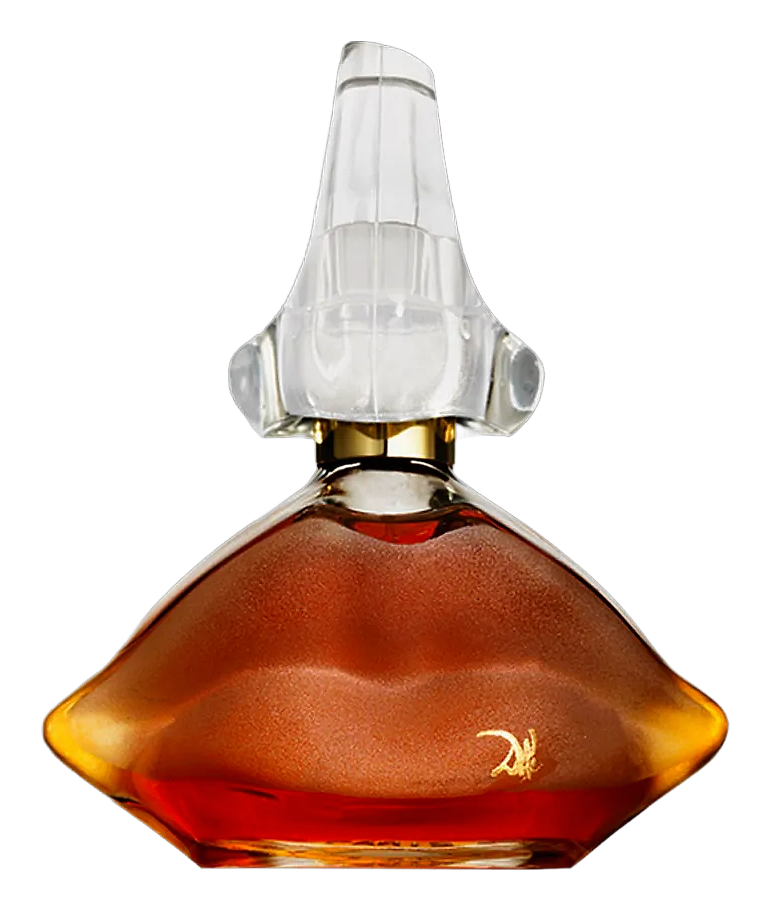
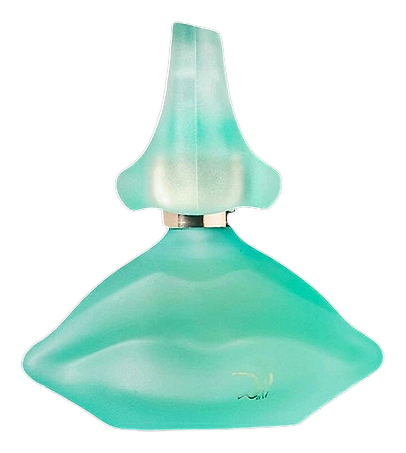
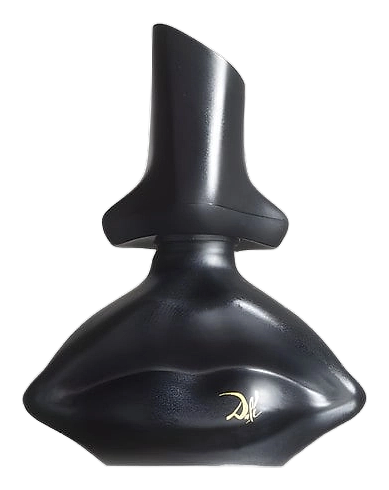
Alberto Morillas built Dali Parfum as a translation of Dalí's visual world into scent. 1983. A perfumer who understood that wearing perfume can be an act of self-authorship. The fragrance was designed for someone willing to stage their own life, to turn a daily ritual into something theatrical, dreamlike, and entirely their own. Morillas chose materials that could carry paradox: sacred and sensual, powdery and resinous, warm and sharp. The opening bursts with bright citrus and sharp spice, immediately asserting presence before settling into something more intimate. This was not a perfume made to blend in. It was made to belong to the wearer completely.
The structure is unusual. A warm, spicy opening gives way to a softer floral heart, then a deeply resinous base. The pairing of incense with clove creates a tension: sacred smoke against medicinal sharpness. The clove does not sweeten. It cuts. And when the florals arrive, jasmine, rose, mimosa, they arrive not to comfort but to deepen. The drydown is where this fragrance earns its name. The florals do not simply fade. They become clean. Intimate. A whisper that stays close for hours. What started as smoke and drama settles into something private, personal, almost austere.
The evolution
The first impression is bold. Incense smoke fills space, clove adds sharp warmth, bergamot provides a brief citrus brightness before the florals arrive. Projection is strong, this fragrance announces itself. The heart unfolds over the next few hours: jasmine's indolic depth, rose's classical elegance, mimosa's powdery sweetness tempering the smoke without softening it entirely. Then the long, slow drydown. Incense remains, but quieter now. A smoky thread woven through sandalwood and patchouli's woody warmth, grounded by oakmoss's earthy complexity. Musk wraps everything close to the skin. The lingering presence remains throughout the day, the full arc preserved.
Cultural impact
Dali Parfum occupies a specific corner of fragrance culture, the kind of perfume that people either seek out deliberately or stumble upon and can't stop thinking about. Its 1983 launch places it in a particular moment in fragrance history. It has attracted the kind of wearer who treats their life as self-authored performance, someone for whom perfume is not background but statement. Dali Parfum remains a reminder that fragrance can be confrontational, theatrical, and deeply rewarding for those willing to meet it on its terms.