The Story
Why it exists.
The beginning
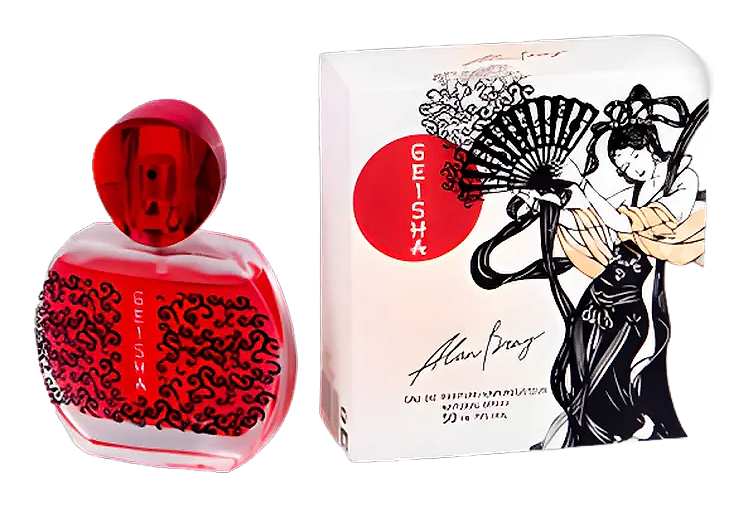
The name itself carries intention. "Japon de mon Coeur", Japan of my heart, suggests this isn't about appropriation. It's a personal translation. The geisha, in this context, becomes an archetype: controlled, intentional, a studied kind of beauty. Geisha arrives as another experiment in unexpected harmony, where fruit and powder coexist not as competing forces but as complementary voices in a single conversation. The interplay between lush fruit and a delicate powderiness creates something that feels both grounded and ethereal, the sweetness of fruit softened by a translucent powder that lifts rather than weighs. The question isn't whether fruit and powder can coexist. It's whether they can feel inevitable, like they were always meant to share the same space.
What makes this structure work is the hand-off between phases. The top doesn't simply disappear, nectarine and blackcurrant thin out gradually as the heart thickens, letting rose and mango arrive without announcement. The base does something unexpected for a scent named after something so refined: it gets warmer, slightly animal, the musk and sandalwood arriving not as a fade but as a second movement. The whole composition reads like a conversation that starts formal and ends intimate.
The evolution
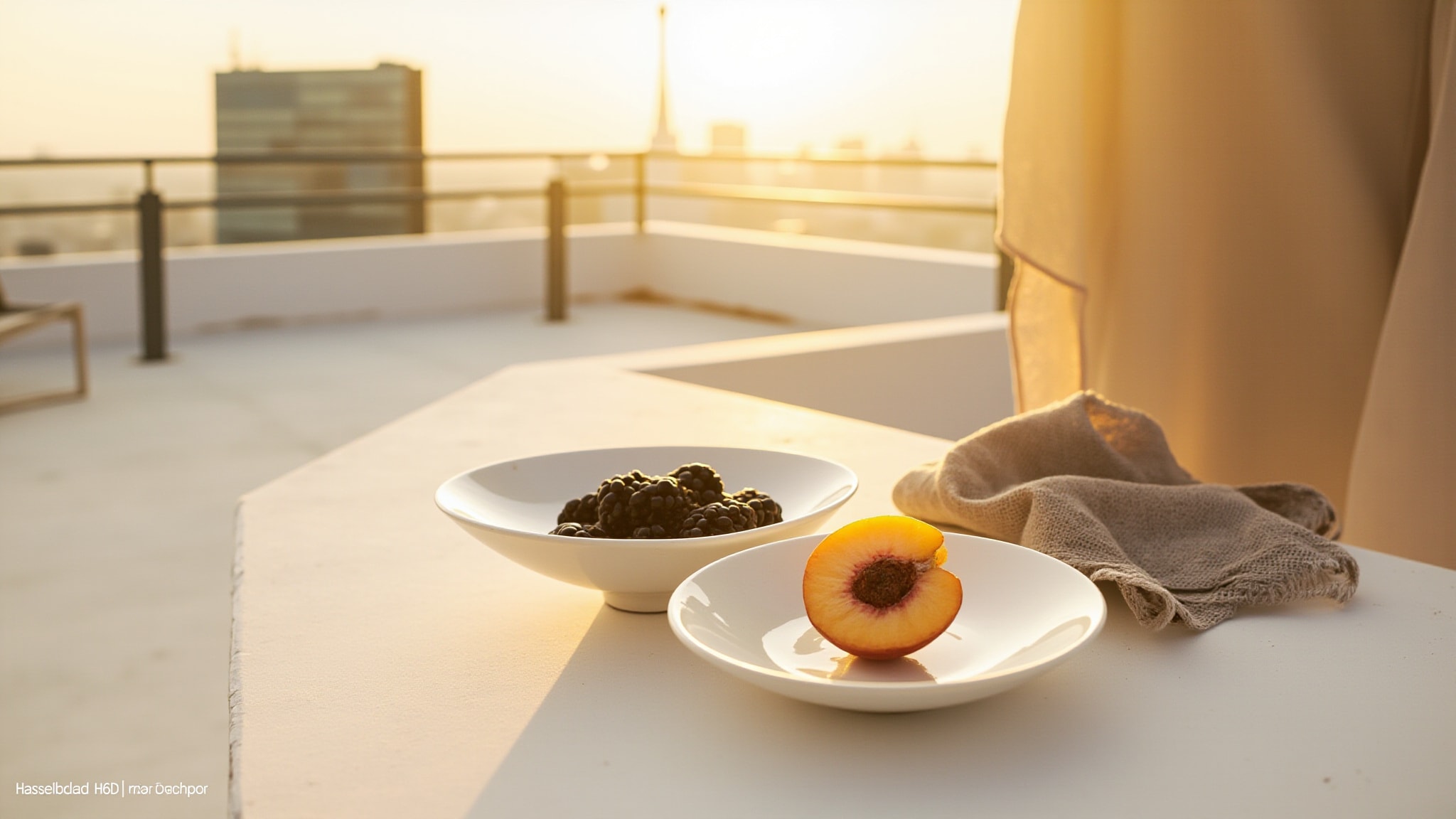
The opening hits crisp. Nectarine and blackcurrant arrive bright, almost tart, the kind of fruit that smells like it's been sitting in cold air rather than warm sun. Apple adds a faint bite, barely there, a suggestion rather than a statement. This phase reads clean, cool as morning. Then the mango kicks in, softer, rounder, and suddenly the sweetness amplifies. The rose follows, not a sharp rose, more like rose water, the kind you'd find in a hammam. The transition feels natural, like the first chapter ending and the second beginning without a pause. By the time the drydown takes over, raspberry emerges first, bright against the settling sweetness, then the musk arrives, not aggressive, more like skin-warmth, intimate. Sandalwood anchors everything below. The powder quality intensifies here, lingering in a way that doesn't demand attention.
Cultural impact
Geisha draws from the imagery of Japanese ceremonial figures while carefully avoiding heavy oriental tropes. The composition presents fruit and powder as partners rather than opposing forces, creating an accessible entry point into more complex fragrance thinking. The scent invites discussion about what constitutes artistic merit in fragrance, whether complexity alone determines value, or whether a work built on simpler intentions can hold its own artistic weight.
The House
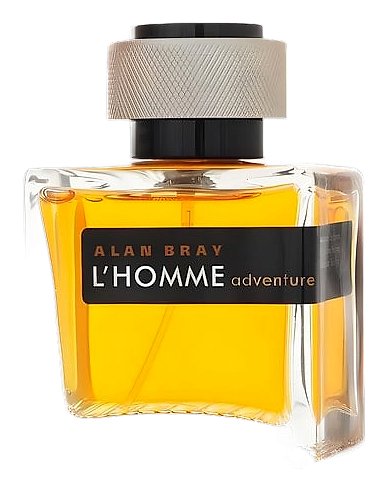
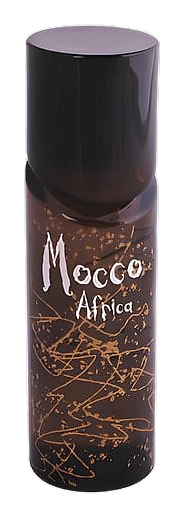
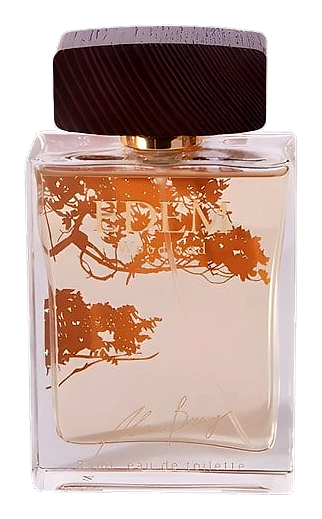
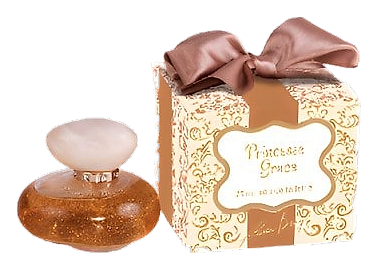
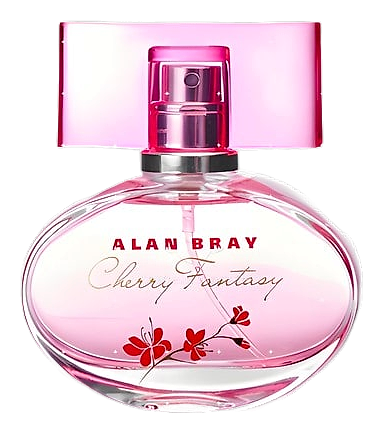
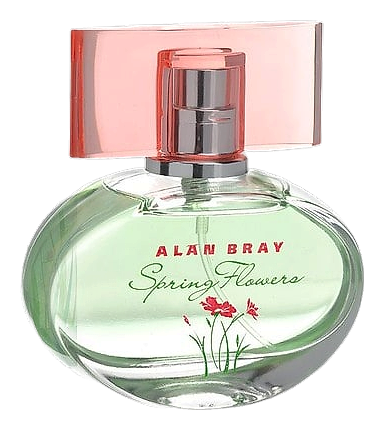
Alan BrayAlan Bray is a niche perfume house that builds a catalogue of more than ninety scents since the early 2000s. The brand releases fragrances that often pair unexpected ingredients, such as cherry and almond in its Canelé Flambé (2024) or the bright floral accord of Spring Flowers (2013). Each launch arrives with a distinct personality, inviting collectors to explore a spectrum that ranges from the masculine L'Homme Noble (2025) to the daring High Society L'Imperatrice (2024). The label operates out of Paris and reaches a global audience through specialty retailers and online platforms.
The Creator
Alan BrayBray’s signature technique rests on a single, bold accord that dominates the composition. In Cherry Almond he pairs bright, fermented cherry with warm, nutty almond oil, letting the two notes intertwine for twelve hours without fading.