The Story
Why it exists.
The beginning
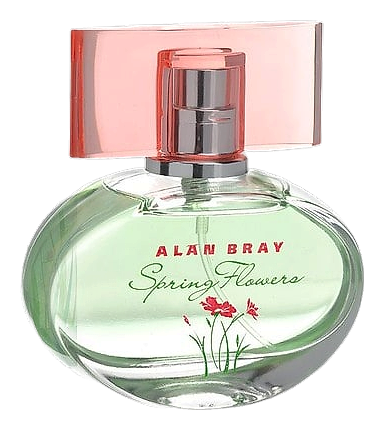
Spring Flowers arrived in 2013 as a perfume composition built to weather the trickiest corner of florals: the part where a bouquet either collapses into sweetness or vanishes into green stems. The brief, as far as the perfume tells it, was straightforward: a spring floral that holds its shape, breathes openly, and never tips into syrup or sour. The result reads like a garden in late spring rather than a department-store cloud. There's something distinctly unfussy about it, the kind of composition that lets its notes speak in turn rather than shouting over each other.
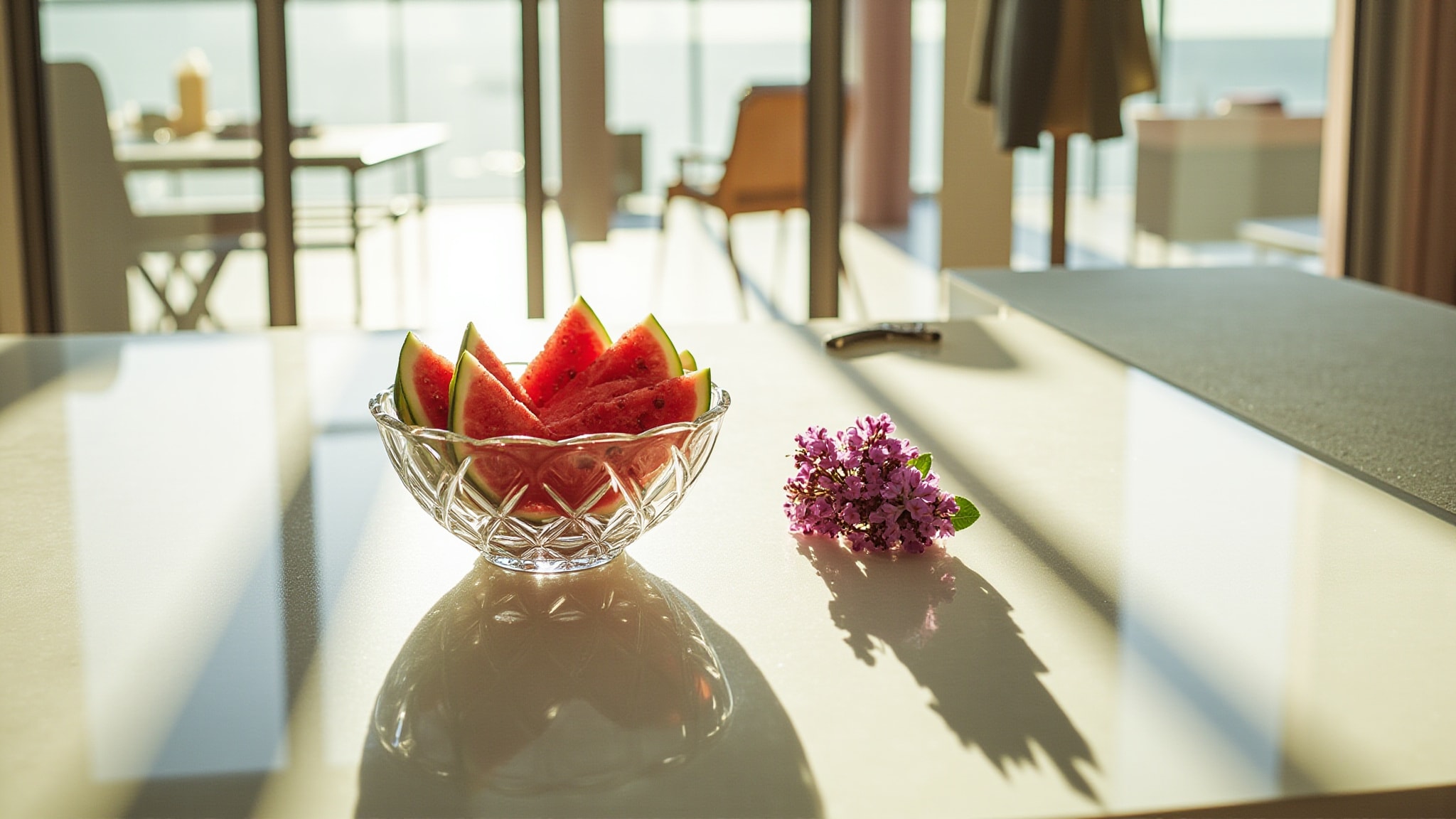
What makes Spring Flowers worth noticing is what sits underneath the obvious. May rose and lilac carry the top, yes, but the heart stacks watermelon against yuzu and red currant, which is a cool, almost juicy move that keeps the sweetness from ever turning syrupy. The ozonic quality in the accords comes from that tension. Fruit and florals rarely share space this comfortably, and here they do. Then the base pulls back into sandalwood, cedar, and white musk, and the whole thing dries down clean instead of soapy.
The evolution
Spring Flowers launched in 2013, and the fragrance opens with the clarity of May rose and lilac, two florals that set a gentle but precise tone. The composition then settles into a heart of watermelon, yuzu, and red currant that gives the scent its cool, almost ozonic lift. The fruit notes don't read as sweet so much as refreshing, a dewy quality that keeps the florals from feeling heavy. As the fragrance settles on skin, the fruit recedes and the cedar-sandalwood-white musk base draws close, leaving a quiet floral whisper rather than a loud trail. The drydown is where the composition shows its patience. The woods warm gently, the musk softens further, and what's left is the kind of clean, close-to-skin finish that rewards attention. It wears like a composition that knows exactly when to step back.
Cultural impact
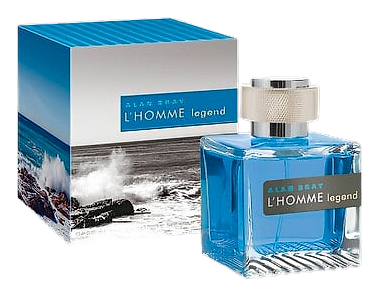
Spring Flowers sits in an unusual spot within the Alan Bray catalogue, a piece that asks questions of the genre rather than answering them by rote. Its production has reportedly been discontinued, which gives it a quiet collectibility among those who found their way to it. The fragrance itself reads as a study in restraint: lilac and May rose at the top, watermelon, yuzu, and red currant in the heart, and a base of sandalwood, cedar, and white musk that pulls everything inward. The composition is clean and wearable, the kind of scent that doesn't try to shout its presence.