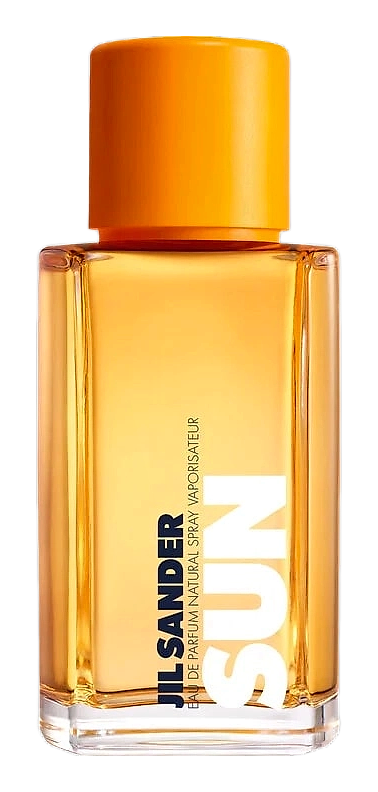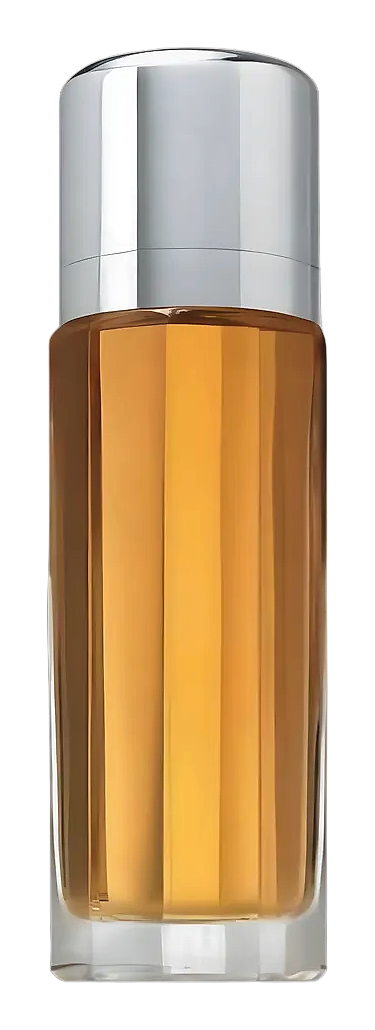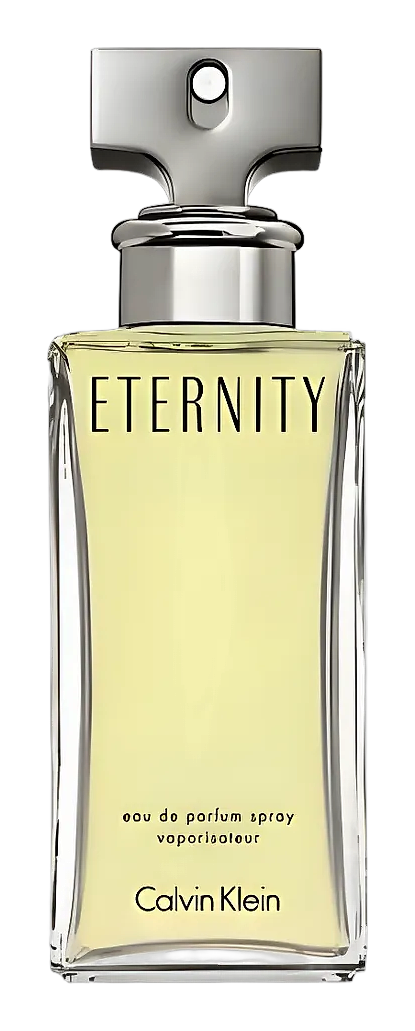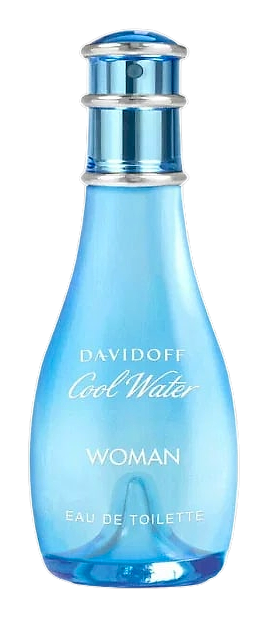
The Story
Why it exists.
The beginning
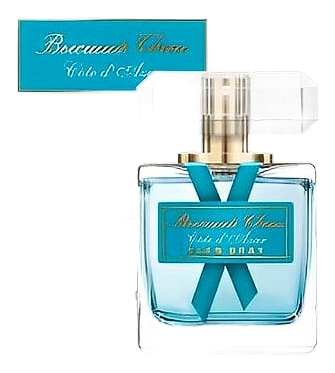
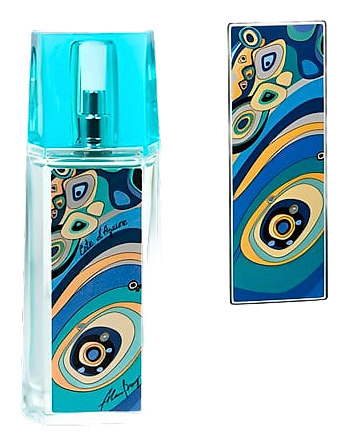
Cote d'Azure draws its name directly from the Côte d'Azur, that stretch of French Mediterranean coastline that has long captured the imagination of painters and travelers. Alan Bray composed the fragrance as a translation of that geography, taking the sensory vocabulary of coastline and white flowers and rendering it into something wearable. The result is a composition that reads as atmosphere first, scent second, built around an aquatic accord that anchors the formula from the first spray to the final drydown. Orange blossom opens the structure with a luminous floral sweetness, while peony, jasmine, and rose weave through the heart in a white-flower progression that never tips into powder.
What makes Cote d'Azure notable is its restraint. Where other compositions in the Alan Bray catalogue lean toward density and indulgence, here the formula stays airy, almost transparent. The aquatic accord does the heavy structural work, carrying the orange blossom past the opening without letting the florals collapse into powder. It's a study in how a perfumer can render something weightless and still feel coherent, a study in negative space as much as presence.
The evolution
The opening belongs to the sea. Aquatic accord and orange blossom arrive together, bright and mineral, with a faint salinity that reads like stone warmed by sun. There's no citrus sparkle here, no sharp bergamot bite, just that cool, wet-stone feeling you get standing near a tide line. As the composition breathes, the florals take over in measured steps. Peony opens the door with its soft, dewy lift, then jasmine rounds it out with a richer, almost creamy warmth, then rose threads through both, adding a faint soapy sweetness that lifts rather than weighs. The bouquet is unmistakably white-flower dominant, but the marine accord never fully exits. It stays underneath like a current, giving the florals a mineral spine that prevents them from collapsing into sweetness.
Cultural impact
Cote d'Azure appeals to wearers who want their fragrance to suggest a place without announcing itself. It's a composition built on transparency rather than projection, favoring airy restraint over the louder statements that dominate much of the broader fragrance market. The aquatic accord does the structural heavy lifting, carrying orange blossom through the opening and supporting the white-flower heart without letting the florals collapse into powder. In the base, musk, amber, and cedar close the formula with a dry warmth that feels clean rather than sticky.
The House
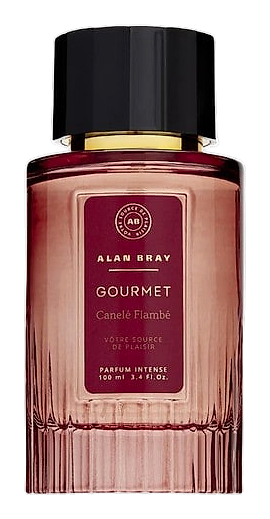
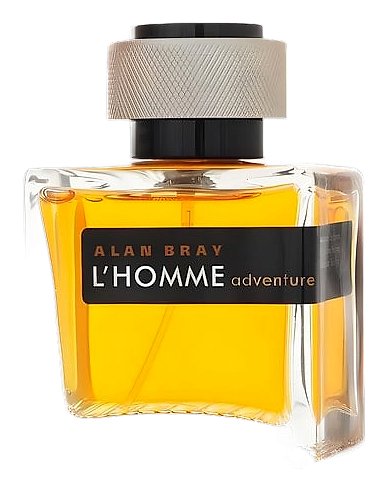
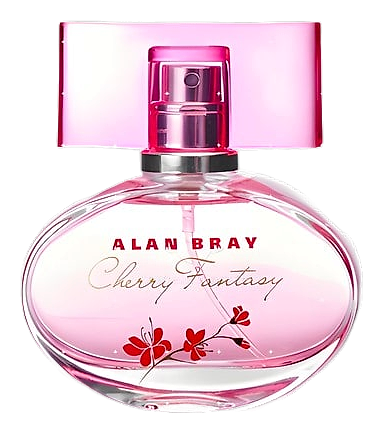
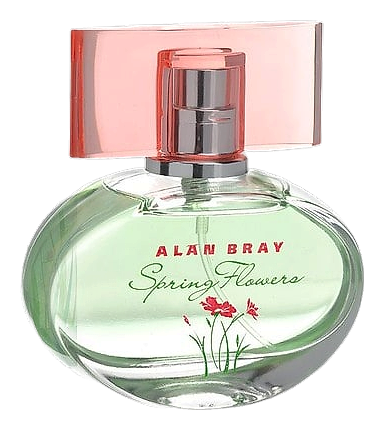
Alan BrayAlan Bray is a niche perfume house that builds a catalogue of more than ninety scents since the early 2000s. The brand releases fragrances that often pair unexpected ingredients, such as cherry and almond in its Canelé Flambé (2024) or the bright floral accord of Spring Flowers (2013). Each launch arrives with a distinct personality, inviting collectors to explore a spectrum that ranges from the masculine L'Homme Noble (2025) to the daring High Society L'Imperatrice (2024). The label operates out of Paris and reaches a global audience through specialty retailers and online platforms.
The Creator
Alan BrayBray’s signature technique rests on a single, bold accord that dominates the composition. In Cherry Almond he pairs bright, fermented cherry with warm, nutty almond oil, letting the two notes intertwine for twelve hours without fading.