The Story
Why it exists.
The beginning
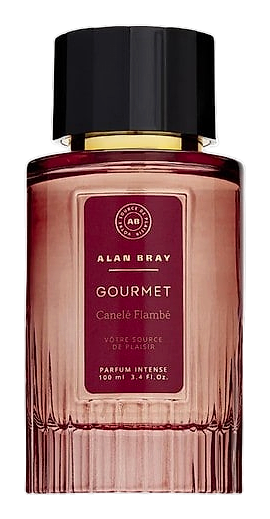
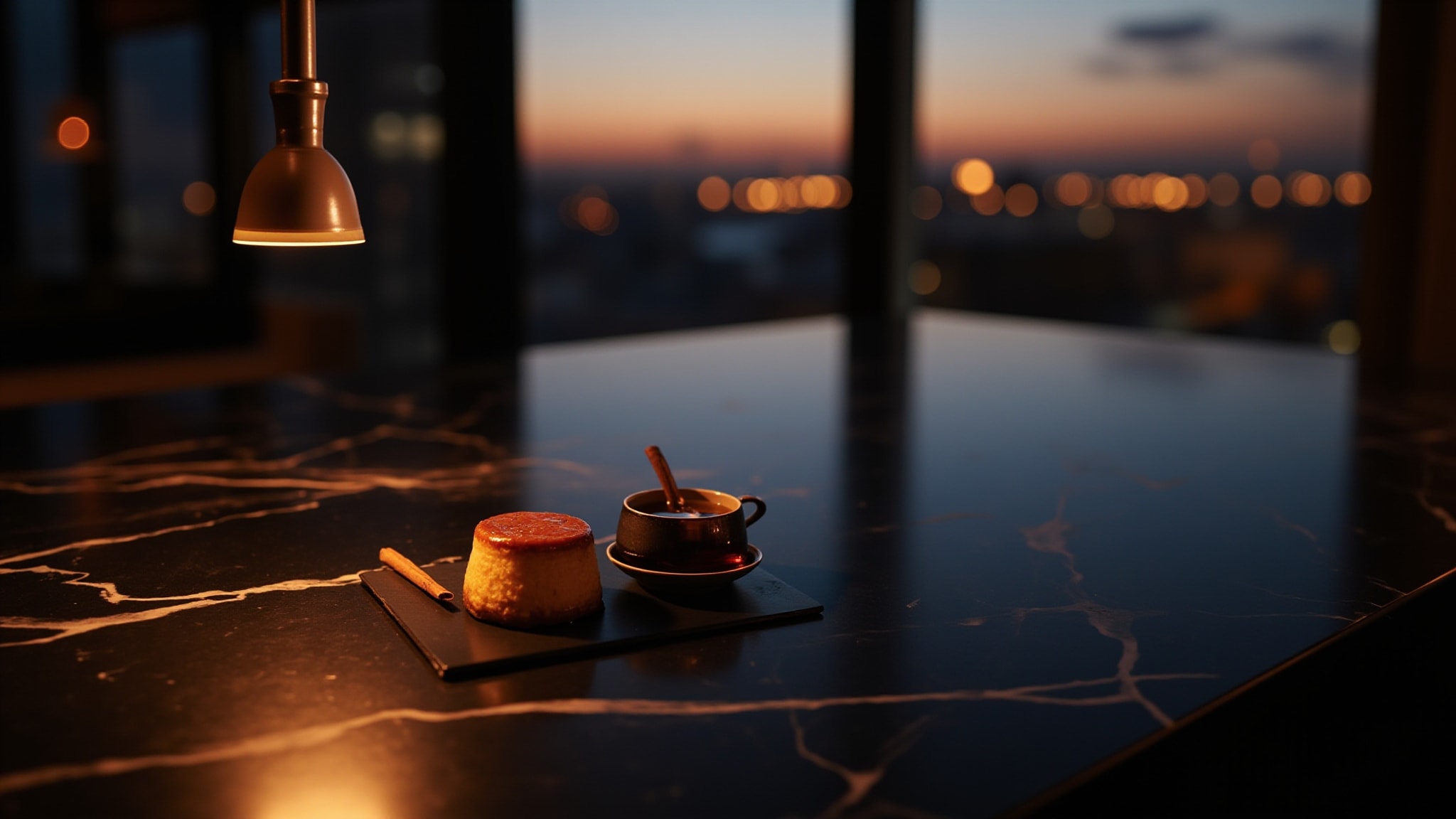
Canelé Flambé borrows its name from the French canelé dessert, translating the moment flame meets sugar into a 2024 composition. The name does the heavy lifting, calling up the burnt-sugar shell and the soft interior that anyone who has tasted a real canelé will recognize instantly. That's the brief: capture that sugar-scorched top, the crackle giving way to something tender underneath. Alan Bray takes the edible reference and lets it suggest the shape of the fragrance without dictating it, leaving room for the rum, caramelized sugar, and supporting notes to do the actual talking.
What makes this one worth a second look is how the gourmand notes get anchored. Rum, cinnamon, praline, and apple could have ended up as a simple sweetness play, but the iris in the heart pulls everything into something drier and more grown-up. Labdanum and sandalwood add that resinous warmth you usually find in amber-heavy orientals, which keeps the sugar from feeling like a costume. It's a pastry wearing a wool coat.
The evolution
The first ten minutes are almost aggressive, rum and cinnamon hitting the air with something between a cocktail and a spiced apple cider. Then the praline and apple settle in, and the whole thing softens into the caramelized-sugar register you'd recognize from a canelé's signature shell. Around the thirty-minute mark, the iris surfaces. Not loud, but present, drying out the sweetness and lending a powdery edge that keeps the composition from feeling like a bakery. The base is where it lives: tonka, myrrh, vanilla, amber, moss, and musk settle into a warm, resinous close that drapes the skin rather than projecting far from it. In the hours that follow, the rum and cinnamon recede entirely, leaving the gourmand-ambery profile with its subtle smoky facet to carry the composition on its own terms.
Cultural impact
Canelé Flambé entered Alan Bray's catalogue in 2024, joining a wider conversation around gourmand fragrances that draw their structure from edible references. The composition takes its name from the French canelé dessert, a small cake defined by its contrast of a deeply caramelized outer crust against a soft, yielding center, traditionally scented with rum and vanilla. Rather than translating that dessert literally into sugar-drenched sweetness, the house uses the pastry as a frame, suggesting the burnt-sugar shell, the boozy warmth of the interior, and the way those two textures meet.